Viva Trees
Get a FREE professional tree service estimate from Viva Trees - one of the most trusted tree companies in the U.S.
OR CALL
Get a Free Estimate
Every project starts with a free tree service estimate. Enter your details to get started.

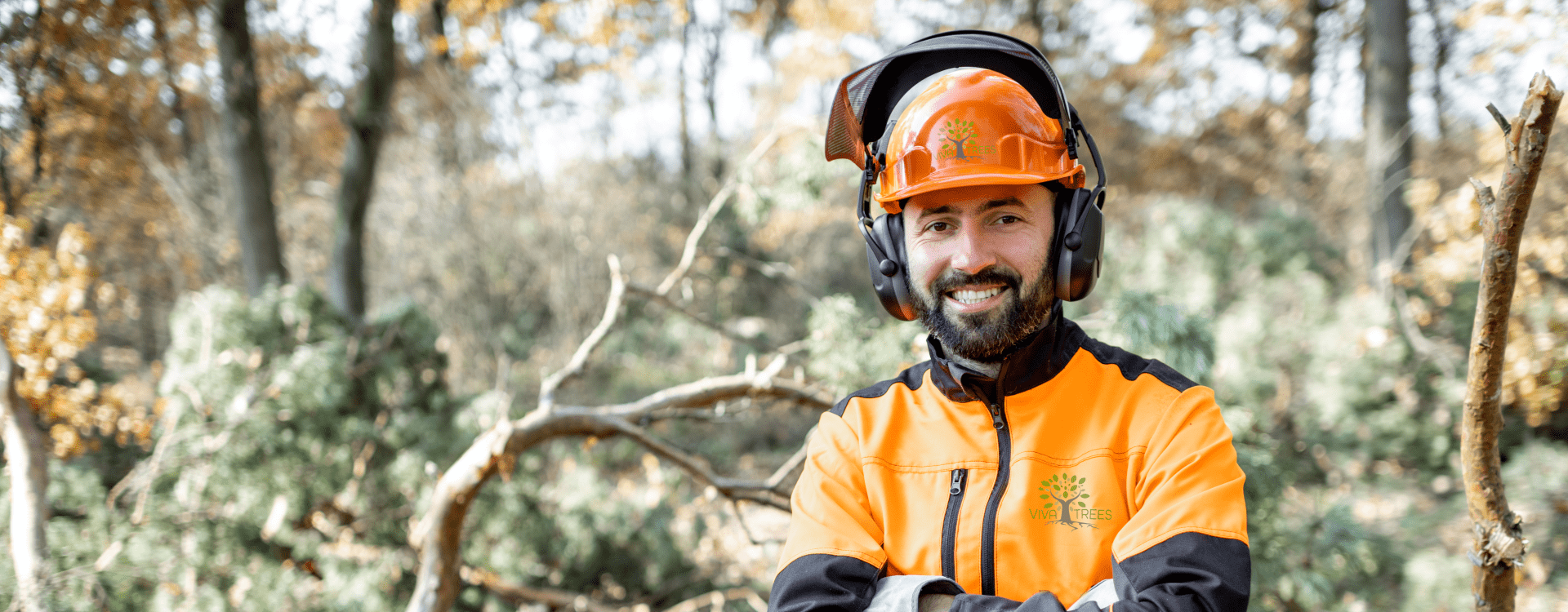
For those who have ever looked up into a tree and wondered what it would be like to go up there and explore the branches, you may have considered becoming a tree climber. Tree climbers use various techniques to ascend tall trees safely and efficiently. They have a unique skill set that allows them to get up into the treetops, where they can perform various tasks such as limb trimming, or inspecting trees.
For those looking to explore this occupation, there are a few things you’ll need to consider before embarking on this career path. In this blog post, we’ll provide you with everything you need to know about becoming a tree climber, from the necessary equipment and training to the career prospects involved.
We’ll also provide tips for those looking to break into the tree care industry and get their career off the ground. Whether you’re looking to pursue tree climbing as a hobby or as a full-time profession, this blog post will
Professional climbers climb up and down trees as part of their job. These tasks may include emergency services, trimming, cutting, removing trees, tree planting, decorative work, or research. Private homeowners, cities, and companies may all employ these professionals for various services.
Tree trimmers may work alone, with an experienced arborist, or as part of a team. For safety and efficiency, it’s common for one arborist to have multiple climbers on the job site. They also often work with experts in aerial lifts, who help them climb trees and ensure their ropes are solid and safe.
For this job, you must know how to properly use tools, knots, and safety gear and be certified. Because their job is so physically demanding (climbing hundreds of feet into a canopy can be tiring), they need to be in good shape.
Due to the heights, the job also comes with some risks. So every part of climbing must be done with the utmost care, including wearing safety gear.
A pro tree climber goes up into trees to do specific jobs related to caring for or maintaining trees. This can be dangerous and requires considerable physical strength, balance, concentration, and coordination.
Depending on the job, you might also need to know a lot about wildlife management, arboriculture, forestry, or other things that involve climbing and taking care of trees.
Professional tree climbers often perform several essential duties while they ascend trees. These include:
In addition to these tasks, they may also put support cables or lightning rods into the bark of trees to protect them from storms that could damage them beyond repair.
Every time they climb a tree, they take a lot of risks. So, not only are their services essential to keep plants healthy, but they are also important to keep nearby properties safe.
Suppose you’ve ever dreamed of working with trees for a living. In that case, it’s possible to make it happen with the proper education and training. Here’s a look at seven steps you may take to become a pro:
1. Learn about arboriculture and other related careers.
2. Acquire an Arborist Certification besides completing introductory climbing courses
3. Understand the more specialized skills required, such as knot tying, setting up anchors, trimming branches, etc.
4. Invest in safety equipment and gain practical experience thoroughly before attempting solo ops
5. Prepare yourself Physically for this profession, as there is a lot of manual labor involved in climbing tall trees
6. Research potential employers who are looking for professional climbers
7. Gain expert advice from your mentors regarding the technical requirements of the job
There are ways to make more money than the average salary. The most crucial factor is having the proper certifications and experience. It’s also essential to demonstrate your skills to command higher rates. Here are some ways to boost your income.
Aerial rescue training is vital for new and experienced climbers who want to ensure they are ready to handle dangerous situations safely. Programs of this nature may educate participants on emergency preparedness, teaching them how to effectively interact with local emergency medical teams and go over aerial rescue techniques. Depending on the training program and its participants’ skill levels, professionals may ask those in the class to rehearse many types of aerial rescues. These simulations can help better prepare participants for several possible rescue scenarios. For example, your training might require you to climb a tree to get someone who is hurt, get them down safely while supporting their weight, and call for help if you need to.
Tree climbers typically need CPR and first aid certifications to work professionally. Employers may require these certifications before you can begin any tree-climbing job.
In the case of falls or other injuries, being prepared to provide themselves or their team members with immediate medical care.
CPR training typically covers how to help people who aren’t breathing or don’t have a heartbeat. To get certified for this kind of emergency care, you must take a class from an approved provider and show that you know how to do chest compressions and rescue breaths correctly.
In first aid classes, you learn how to treat common injuries like cuts and bruises, most of which can happen when working on tall trees or moving through rough terrain. This training prepares you for various medical situations that may arise while performing your duties.
One of the most important qualifications you can earn is the International Society of Arborists (ISA) Certified Tree Worker and Climber Specialist certification. Many employers will pay more when you are certified.
To earn this certification, you may need to pass safety examinations and demonstrate your ability to perform your essential job duties on and off the ground.
For example, to qualify for the certification exam, certifiers may ask participants to show that they can climb a tree safely and cut off a few branches. Applicants will get an ISA Tree Worker Climber Specialist credential card if they pass both the written and practical tests.
Getting ISA-certified credentials can help you improve your resume and give potential employers confidence that they are hiring highly qualified candidates. This will increase your market value.
Keep in mind that some prerequisites are required, such as a minimum of 18 months (1.5 years) of experience in arboriculture. You can learn more about getting your tree climbing ISA certification here.
Being a pro involves taking precautions to prevent accidents in potentially hazardous situations. Getting a certificate in occupational safety and health may help you learn the knowledge and skills you need to climb trees safely.
The Occupational Safety and Health Administration (OSHA) offers a variety of courses on topics such as general workplace safety, safety equipment, hazards at work, and other safety precaution measures.
If you want to pursue an OSHA certification to prepare you, contact your local college or university to learn which OSHA courses they offer. Moreover, check with a professional tree care company to see which health and safety certifications they expect candidates to earn before hiring.
You should also consider getting a position where you perform tree maintenance or landscaping. In this job, you can watch people climb and descend before you try it yourself. Additionally, it’s possible to develop your knowledge of the essential tasks associated with everyday tasks. This could mean learning about pesticides, treating tree diseases, spotting different conditions, and why it’s important to prune or trim branches when needed. Also, if you want to be a climber for a living, you need to be in good shape because climbing is often hard work.
When it comes to becoming a pro climber, you must have a range of essential gear to stay safe and climb confidently. The most important pieces are the harness, helmet, and climbing rope. Your harness should be comfortable and supportive, while your helmet should be lightweight and provide ample protection.
And your climbing rope should be firm and long enough to reach the branches you want to climb. Other essential pieces of gear include carabiners, slings, and ascenders. With the right equipment, you’ll be ready to ascend any tree!
Securing both your gear and your body is of utmost importance when climbing. Make sure your harness fits you right, and double-check that all the buckles are tight. Once your harness is on, attach your carabiners to the safety rope and attach the rope to the anchor points. As you ascend, secure the rope to the tree at different points with slings or rope clamps.
Always wear a helmet and gloves to protect yourself from hazards. Lastly, ensure you’re paying attention to your body and how it’s feeling during the climb. Stop immediately if you feel any pain or fatigue, and take a break.
You must know how to tie specific knots correctly to guarantee their safety while climbing. The most common knots are the bowline, clove hitch, and figure-eight.
To ensure these knots are safe and secure, you must tie them tight and practice them often.
When climbing a tree, it’s essential to get up and down safely. The most important safety rule is to use ropes, and other safety gear correctly and never rely solely on your hands and feet. You’ll need to use specific techniques to keep your balance and ensure you don’t fall when climbing up the tree.
You should use a combination of both hands and feet to climb, and you can use tree branches and other supports as handholds. When getting down from the tree, you’ll need to ensure your ropes are tied well and your knot is strong. Make sure to take your time and be careful—rushing could lead to an accident.
Tree climbing has become increasingly popular recently, and it’s easy to see why. It’s a great way to exercise, enjoy nature, and even work in trees. But to be a efficient you must know the best techniques for getting around the tree. Here are five different techniques for moving around a tree:
1. Single rope technique (SRT): This is the most common method and involves using a single rope for ascending and descending.
2. Double rope technique (DRT): This method requires two ropes, allowing for more stability and control while moving around the tree.
3. Climbing spurs: These are tiny metal spikes strapped onto your feet, giving you extra grip and stability when climbing.
4. Prusiking: This is a way to climb up and down a rope without using a machine.
5. Aerial rescue systems: These systems use ropes and harnesses to safely lower climbers if they become injured or are stuck in a tree.
6. How to identify tree species
Identifying tree species is an essential skill. Identifying the tree you’re climbing is vital for safety reasons; some species have brittle branches or toxic foliage that can cause skin irritation.
Knowing the tree species can also help with navigation and understanding the environment. To identify a tree species, take a look at its leaves, bark, and any fruits or nuts it may have. If unsure, consult a tree identification guide or an online database. With a bit of practice, you’ll soon be able to quickly identify tree species!
As a tree climber, safety should always be your priority. You must know safety protocols and regulations to protect yourself and others.
This means knowing:
You should also make sure you have the proper license and insurance coverage. Taking the time to brush up on your safety protocols and regulations will help you stay safe and get the job done right.
No matter what type of experience you have, you should always be aware of the potential risks of your job. If you ever find yourself in an emergency, the best thing to do is stay calm and take action.
Make sure to stay secure in your harness and keep your breathing steady. Try to lower yourself down the tree. If you cannot do that, you should call for help or use any available safety equipment.
If you find yourself in a situation where you must climb down the tree, be sure to do so slowly and carefully. Once you’re back on the ground, look at the situation and tell your boss about any injuries or broken equipment.
To sum up, becoming a tree climber is a great way to make a living and enjoy a rewarding outdoor career. It takes a mix of knowledge, physical strength, and courage, all of which can be built up and honed with the proper training.
Although the pay can be unpredictable, the job is full of adventure. It provides an opportunity to work in beautiful natural settings. With the proper preparation, tree climbing can be a great way to make a living and appreciate nature simultaneously.