Viva Trees
Get a FREE professional tree service estimate from Viva Trees - one of the most trusted tree companies in the U.S.
OR CALL
Get a Free Estimate
Every project starts with a free tree service estimate. Enter your details to get started.

Trees are essential for our planet’s health—they provide oxygen, absorb carbon dioxide from the air, help regulate climate change, and more. Therefore, taking steps to ensure we take good care of them must be a priority. Low-impact tree care allows us to do just that by using less invasive methods of maintaining healthy trees without damaging their root systems or disrupting natural ecosystems.
If you’re looking for ways to take care of your trees while being eco-friendly, sustainable tree care strategies are the way to go. Our new page on the benefits of implementing sustainable tree care practices. provides expert advice on implementing sustainable practices that benefit your trees and the environment.
By following these tips for low-impact tree care, you’ll be doing your part as an environmental steward without compromising effectiveness or quality. So let’s start learning how to use eco-friendly solutions to manage our trees properly!
Low-impact tree care is a set of environmentally conscious practices that involve special consideration when caring for trees. It involves using techniques and tools designed to protect the health of the trees and reduce environmental damage, such as soil compaction or air pollution. Low-impact tree care includes sustainable practices like mulching, pruning, root protection, and irrigation management, which require minimal intervention while still providing effective results.
Eco-friendly tree care also considers how activities may affect other species, such as birds or insects, and their habitats. It’s important to note that low-impact tree care isn’t just about being environmentally friendly – it also helps ensure a healthy future for our trees by assisting them to thrive without causing undue environmental stress.
By following these strategies, we can conserve resources, save time and money in the long run, and ensure our trees can live longer. To maximize this potential, one must consider all aspects of the environment before making decisions regarding tree care practices – from soil composition to climate conditions. With this knowledge, we can look forward to healthier trees with greater longevity, transitioning smoothly into the next section on the benefits of low-impact practices.
Low-impact tree care practices offer numerous ecological advantages. In addition to improved air and water quality, these techniques also provide financial savings for the homeowner and promote the sustainable growth of trees. Furthermore, many wildlife benefits are associated with low-impact tree care, such as increased biodiversity and habitat creation.
The use of environmentally conscious tools is beneficial in preserving the health of trees and can help maintain an environment that supports a variety of species. These include organic fertilizers, soil additives, composting systems, mulching methods, and other approaches that focus on improving soil health rather than relying solely on chemical agents or mechanical treatments. Low-impact pruning options also play a crucial role in promoting healthy growth while minimizing stress caused by improper cutting techniques.
Overall, low-impact tree care provides homeowners with various advantages, including ecological benefits, improved air quality, cost savings opportunities, wildlife support, and sustainable growth potentials. With careful consideration when selecting appropriate equipment and procedures to implement during any project, low-impact practices can reduce environmental impacts while providing efficient results.
Transitioning away from traditional approaches will not only benefit our planet. Still, it will also ensure future generations can enjoy their outdoor spaces without worrying about the consequences of unsustainable tree maintenance activities.
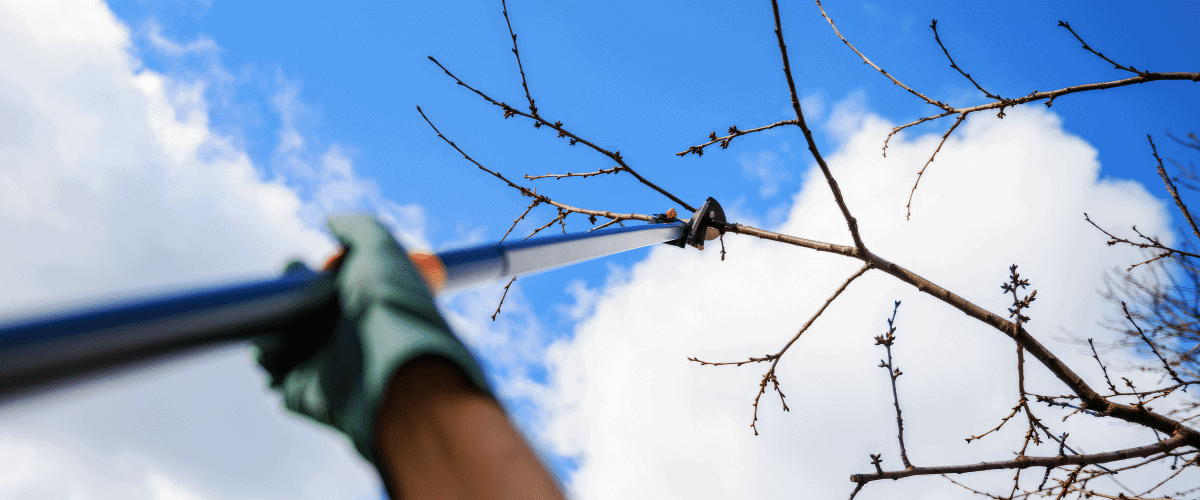
It can seem counterintuitive to think of pruning as something beneficial for trees. After all, it involves the removal of branches and foliage! But when done correctly, pruning is essential to tree care that helps promote healthy growth and development. This section will explore some basic principles behind pruning techniques and methods.
Tree trimming is a great way to maintain your trees’ health while also keeping them aesthetically pleasing. Pruning removes dead or damaged branches from a tree, improving its appearance and allowing more light into the center of the canopy. It also eliminates diseased or weakened limbs before they become hazardous, allowing healthier parts of the tree to grow stronger in their place.
Additionally, selectively removing certain branches can help improve air circulation throughout the tree’s crown and reduce competition between buds for resources like nutrients and water.
When deciding where to make cuts on a branch or limb during pruning, consider its size relative to other parts of the tree and its position within the overall structure. Removing large sections of woody tissue (such as in crown reduction) ensures no jagged edges remain after cutting so that new shoots can form without interference from sharp points.
Also, remember how much weight these larger pieces may add; if too heavy, they could cause breakage further down the line due to added strain on weaker limbs nearby.
Finally, depending on what type of pruning technique you choose – such as thinning out existing foliage or renewing older wood – always take extra caution not to damage living tissues around a delicate point along trunk and branch junctions where most future growth will occur.
Following these simple guidelines for proper branch removal during pruning sessions, you can ensure your trees remain strong and beautiful for years – even with minimal impact from human intervention! Let’s move on to fertilization guidelines: another important method for promoting optimal tree health and vigor over time…
Fertilization guidelines are integral to low-impact tree care. Tree fertilization helps keep trees healthy and strong, while soil fertilization also helps nourish the surrounding environment. Organic fertilizers, like compost or manure, are a great way to enrich poor soils with nutrients naturally.
Chemical fertilizers can provide more concentrated doses of certain elements that may be lacking in the soil; however, they should only be used when necessary as they can have adverse environmental impacts if misused.
When it comes to fertilizer application, timing is critical. Fertilizing during the growing season ensures that trees get optimal benefits from all their nutrients immediately instead of waiting for them to enter the root system slowly over time. Additionally, applying smaller amounts multiple times throughout the year will help prevent nutrient runoff into nearby water or groundwater sources.
Lastly, paying close attention to what type of fertilizer you’re using and how much you apply at once is essential. Too little won’t yield results; too much could damage your tree’s health or surrounding environment.
By following these simple tips and exercising caution regarding fertilizer use, you’ll be well on your way toward successful tree care without causing unnecessary harm to our planet! With this knowledge in mind, let us look at soil improvement strategies…
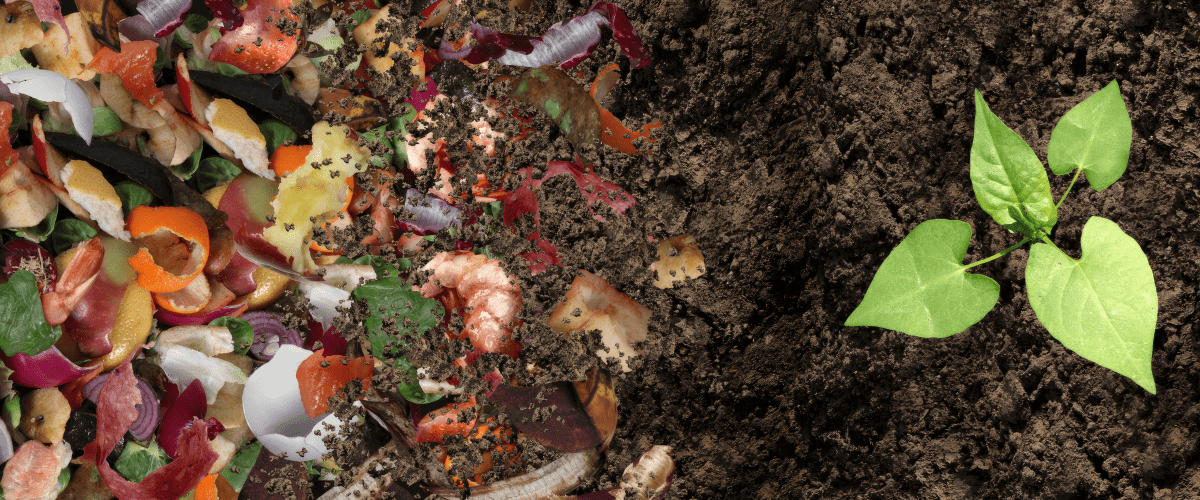
It is estimated that around 55% of the world’s soil has been degraded due to human activity. This statistic emphasizes the importance of proper soil care when engaging in low-impact tree care. There are several strategies for improving soil quality and increasing its ability to support healthy trees:
These strategies all work together to create healthier soils that support thriving trees without impacting our environment negatively. Combined with proper fertilization guidelines, these techniques can ensure long-term sustainability and health for trees and their ecosystems. Disease control measures must also be considered when practicing low-impact tree care to protect against illnesses like oak wilt and Dutch elm disease.
Regarding tree care, disease control measures should always be a top priority. Effective prevention techniques can help protect trees and reduce the need for costly treatments later on. Identifying potential problems before they become too severe is essential by using accurate diagnosis methods and applying appropriate management practices.
Once a problem is identified, several treatment options are available depending on the type of disease or pest infestation in question. For example, if the issue is caused by an infection like fungi or bacteria, fungicides may be used to prevent the further spread of the pathogen. If, instead, the tree has been attacked by insects, then insecticides could be employed to disrupt its lifecycle and stop them from causing more damage.
No matter the chosen method, proper application techniques must always be followed to ensure the safety of both people and trees. This means appropriately diluting chemical solutions according to manufacturer instructions and taking extra precautions when working with dangerous machinery such as chainsaws or other power tools. By doing so, we can maintain healthy trees while minimizing any adverse environmental impacts associated with improper use of these materials and equipment.

As the saying goes, “The right tool for the job makes all the difference,” This couldn’t be truer when it comes to low-impact tree care. To ensure that your arboricultural projects are ecologically friendly, various tools are available to you that meet these criteria. These include sustainable, organic, green, and natural tools.
| Sustainable Tools | Organic Tools | Green Tools | Natural Tools | |
|---|---|---|---|---|
| 1 | Hand Pruners | Compost | Reusable Bags | Fruit Trees |
| 2 | Axes | Mulch | Solar Lights | Native Plants |
| 3 | Ropes & Buckets | Fertilizer | Rain Barrels | Bird Feeders |
Sustainable tools typically involve those powered by manual labor, such as hand pruners or axes; however, ropes and buckets can also be used to reduce strain on larger branches. Organic options like compost and mulch are great additions for nourishing trees without using chemical fertilizers, which can damage nearby vegetation.
For added convenience, green solutions like reusable bags and solar lights help repurpose existing materials while reducing energy consumption. Lastly, incorporating natural elements into your projects, such as fruit trees, native plants, rain barrels, and bird feeders, can create an aesthetically pleasing environment with minimal environmental impact.
In short, there is no shortage of eco-friendly alternatives when considering how best to tackle any arboreal endeavor. Armed with the knowledge of environmentally conscious resources, you’ll have everything you need to move forward safely and sustainably with your next project – pesticides and herbicides included!
When it comes to caring for trees, the use of pesticides and herbicides can be a necessary part of pest management and weed control. However, the safe usage of these chemicals must always be considered to prevent any adverse environmental impacts.
When using pesticides or herbicides near trees, clear safety protocols must be in place. This means wearing protective gear such as long sleeves, gloves, goggles, and face masks. It also involves following instructions on chemical labels regarding application rates, dosage amounts, and frequency. Additionally, it’s essential to check weather conditions before applying any product to ensure the wind does not carry away any unwanted particles.
Finally, the correct disposal of containers should never be overlooked after pesticide or herbicide use has been completed. Containers should always be disposed of properly at designated recycling centers to minimize contamination from leaching into nearby water systems or soil beds.
With proper implementation of pesticide-safety and herbicide-safety protocols along with careful chemical usage, tree care professionals can remain mindful of their environment while providing quality services. Moving forward with this same mindset will help us hone our best techniques for tree removal too.
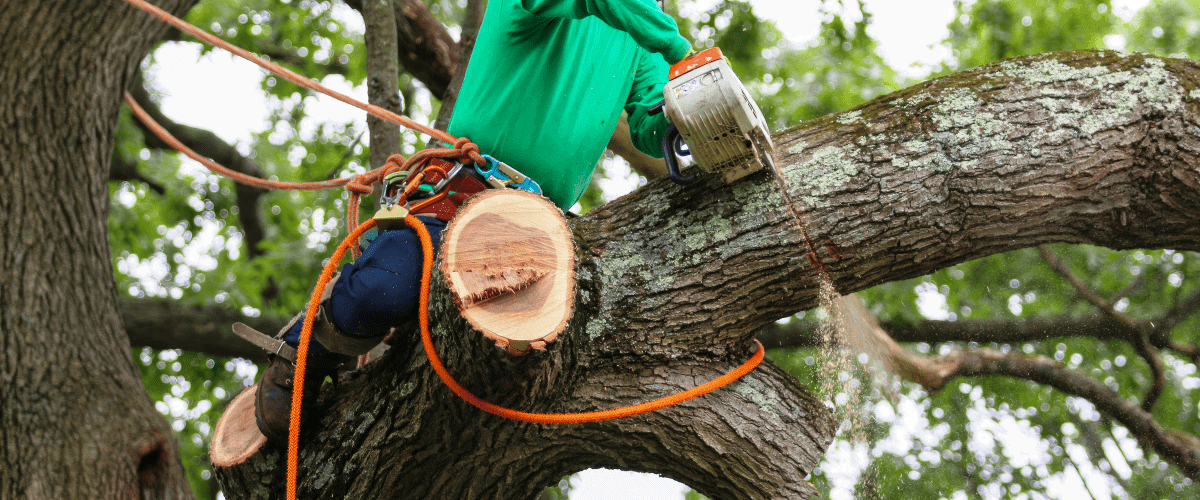
There’s more than meets the eye when it comes to tree removal. It goes beyond just cutting down a tree and requires careful consideration of environmental factors when working with trees. Here are some best practices for removing a tree responsibly:
It’s also important to consider what happens after the job is done. Properly disposing of wood chips and debris can help prevent infestations of unwanted pests like carpenter ants or termites. Additionally, if relocating a tree is an option, it should be done with care because roots need time to adjust before planting again in another location; otherwise, the risk of losing the transplant increases significantly.
The goal is always not to harm removal processes while ensuring long-term health and maintenance once operations are complete.
Now that the best techniques for tree removal have been discussed, it’s time to shift focus toward long-term health and maintenance. Understanding how to care for trees properly is essential to ensure their longevity and minimize any possible ecological impact. Here are some critical tips from arborists on how to maintain a healthy tree:
| Tree Health | Care Tips |
|---|---|
| Watering | Trees should be watered regularly with 1 inch of water per week during dry periods. Avoid over-watering as this can damage roots. |
| Pruning | Remove dead or diseased branches to promote healthy growth by pruning twice yearly (spring & fall). Also, consider removing low-hanging branches if they pose a safety risk. |
| Fertilizing | Apply fertilizer annually, according to an arborist’s advice, especially when planting new trees. This will help nourish the soil so your trees can grow strong and healthy. Use natural fertilizers whenever possible. |
| Mulching | Spread mulch around the base of your trees at least once a year to protect roots from harsh weather conditions and retain moisture in the soil. Make sure not to pile too much mulch near the trunk, as this could lead to rot and other issues. |
These simple but essential tips can effectively preserve your trees’ life while minimizing their environmental impact. With proper maintenance, your trees will thrive now and into the future!
Regarding low-impact tree care, costs can seem astronomical and out of reach! But with the right tools and techniques, you can get a lot for your money – almost as if you are paying pennies on the dollar. Various options come at surprisingly affordable prices, from environmentally conscious tools to tree care techniques.
The cost associated with low-impact tree care can vary greatly depending on what types of services or products are needed. Generally, low-impact tree care pricing will range from essential pruning to more complex treatments such as fertilization or disease management. While some processes may be more costly than others, all will help preserve the health and beauty of trees while minimizing environmental impact.
In addition to the price tag attached to specific services, certain tree care tools also have their associated costs. Although these items may initially seem pricey compared to traditional gardening equipment, they offer greater efficiency and safety, making them worth the investment in the long run.
Ultimately no matter what type of service or tooling is used, proper maintenance through low-impact tree care practices allows us to protect our planet’s natural resources and save money over time by extending the life of trees.
When considering the lifespan of trees, low-impact tree care is an essential factor. Low-impact tree care refers to a set of environmentally conscious tools and techniques used in caring for trees that have minimal adverse effects on their health and longevity. To understand how this kind of care affects a tree’s expected lifespan, here are 4 things to consider:
A key benefit of low-impact tree care is that it ensures the overall health and well-being of the trees by providing them with essential nutrients and protecting them from harm caused by human activities like construction or land clearing.
It also helps preserve biodiversity in our forests, meadows, and wetlands, as certain species require specific levels of protection to thrive long-term. When done correctly, these practices extend individual trees’ lives and help maintain healthy ecosystems for generations!
Low-impact tree care has become increasingly popular due to its environmental benefits. However, it is essential to understand the risks associated with this type of maintenance and care before deciding if it is suitable for your trees.
When considering low-impact tree care, numerous potential risks should be considered. Identifying any ecological or environmental hazards that may occur due to using specific techniques and tools is essential. Additionally, improper use of these methods can lead to long-term damage to the health and longevity of trees:
Moreover, you must take proper precautions against injury when performing low-impact tree care. By utilizing certified arborists and following safety protocols, you can minimize the chances of accidents while maintaining your trees. Furthermore, understanding basic first aid procedures is recommended if something happens unexpectedly during tree maintenance.
Knowing the risks involved and how best to mitigate them is necessary to ensure successful and safe results when implementing low-impact tree care practices. This tree care can provide substantial environmental and economic rewards with careful consideration and planning.
Low-impact tree care is an increasingly popular option for those looking to take a more sustainable approach to their landscape management. As the name implies, low-impact tree care techniques aim to minimize environmental impact while providing excellent tree health and maintenance. But with so many different types of trees out there, it begs the question: Is low-impact tree care suitable for all types?
The answer is yes! Low-impact tree care can be used on virtually any type of tree, from evergreens to deciduous varieties. The key is understanding how each species responds best to specific techniques and tailoring your methods accordingly. Here are some tips that can help you get started:
By employing these practices, you’ll maximize the benefits of low-impact tree care while minimizing risks associated with improper use. With careful planning and implementation, you can ensure your trees remain healthy and beautiful for years without sacrificing environmental concerns.
Are you looking to ensure your tree care practices comply with local laws? Low-impact tree care requires adherence to specific legal requirements to protect the environment. Knowing these regulations can help you ensure you’re doing the right thing for the trees in your area.
When it comes to low-impact tree care, many different types of legal requirements must be met depending on where you live. In some areas, tree pruning and trimming may need to adhere to certain specifications. Other places require permits or inspections before any changes can be made. It’s essential to research the specific regulations in your community so that all actions taken follow proper procedures.
One way to learn about the legal requirements for low-impact tree care is by contacting local government agencies or non-profits dedicated to tree health and conservation efforts. They will better understand which rules apply in your area and how best to stay within them while providing effective tree care services. They might also offer resources such as tips on adequately cutting back branches without harming surrounding foliage and other helpful advice related to sustainable forestry management practices.
No matter where you live, you must understand and abide by the laws regarding low-impact tree care if you want your work to meet sustainability and safety standards for both humans and nature alike. Taking steps towards compliance will pay off when it comes time for inspections or audits from regulatory bodies – ensuring something gets done correctly and keeping everyone involved safe from potential repercussions later on.
As with anything, the best way to ensure a healthy future for our trees is through low-impact tree care. While it may require some extra time and effort on our part, when done correctly, we can enjoy the beauty of nature without causing unnecessary damage or destruction. The cost associated with this form of tree care is minimal compared to other methods, yet its benefits are manifold. Not only do trees that receive proper low-impact tree care have an increased lifespan, but they also provide excellent environmental protection from soil erosion, air pollution, water contamination, and more.
The risks associated with low-impact tree care are few; however, there may be legal requirements you must follow depending on your area. Depending on where you live, local laws may dictate what type of tools and techniques can be used, so research these before starting any project involving trees. Overall, low-impact tree care offers us an excellent opportunity to preserve nature while enjoying its beauty safely and responsibly.
Ultimately, engaging in low-impact tree care benefits ourselves and those around us – including our beloved trees! We must take responsibility for protecting and preserving nature by using sustainable practices whenever possible. We can all help create a healthier environment for ourselves and future generations with little effort.
If you liked this blog, check out our other tree care and maintenance articles on: