Viva Trees
Get a FREE professional tree service estimate from Viva Trees - one of the most trusted tree companies in the U.S.
OR CALL
Get a Free Estimate
Every project starts with a free tree service estimate. Enter your details to get started.


The urban landscape is often dominated by concrete, steel, and asphalt. But one of the most critical components of an urban environment goes unnoticed mainly – trees!
They are essential to the health and well-being of cities, providing countless benefits that many do not realize. From lowering temperatures on hot summer days to reducing air pollution levels, it’s clear that planting more trees in cities should be a priority for all.
This Viva Tip will explore how trees benefit towns and why they are essential for our urban areas.
Urban heat islands have become increasingly common due to dark surfaces, such as roads and buildings, which absorb heat from the sun. This causes temperatures within city limits to rise significantly higher than those outside.
Trees help mitigate these temperature extremes by providing shade and cooling effects through evapotranspiration when water evaporates from their leaves into the atmosphere. By doing so, they can reduce surface temperatures during the hot summer months by up to 50 degrees!
Trees also play an integral role in improving air quality within cities. Through photosynthesis, they take carbon dioxide out of the air and release oxygen back into it while at the same time trapping harmful pollutants like dust particles and releasing clean air instead. Studies show that having more trees in cities can reduce asthma rates among children living there!
It’s clear that trees provide numerous advantages to us in urban settings, but what else makes them so valuable?
Read on to learn more about the importance of urban trees and how they benefit cities worldwide!
The benefits of urban trees are both numerous and varied. Trees planted by tree planting services in cities can improve air quality, reduce noise pollution, provide shade, conserve energy, create habitats for wildlife, enhance aesthetics, and increase property values.
Moreover, trees conserved by professional tree care companies can help mitigate the effects of climate change by sequestering carbon dioxide from the atmosphere and creating a cooling effect on hot summer days.
Beyond these ecological benefits, urban areas benefit economically from green infrastructure investments such as those made to preserve or enhance existing trees through conservation services. Studies have found that when people live in communities with more green spaces, they are healthier and happier, leading to increased productivity and fewer sick days took off work.
Additionally, businesses often experience an uptick in sales near a park or other green space due to increased foot traffic drawn by nature’s beauty.
Urban trees are thus essential components of healthy cities – not only do they offer environmental advantages but also economic ones too. By investing in tree planting services and professional tree care companies, cities can take advantage of this valuable resource while ensuring it is adequately maintained over time.
Next, we will explore how urban trees improve air quality in our towns and cities.
Urban trees play a vital role in the life of cities. They help improve air quality and provide countless other benefits to city dwellers. From providing shade on hot days to beautifying neighborhoods, they can be indispensable assets to any community.
The importance of these trees is highlighted even more when considering their impact on air quality. They act as natural filters for particulate matter, ozone, carbon monoxide, sulfur dioxide, nitrogen oxides, and lead.
In addition, they absorb volatile organic compounds (VOCs) from vehicle exhaust and industrial emissions, which helps reduce smog levels in the atmosphere. Not only this, but some tree species are also particularly effective at capturing airborne mold spores that can cause allergic reactions or respiratory illnesses in humans.
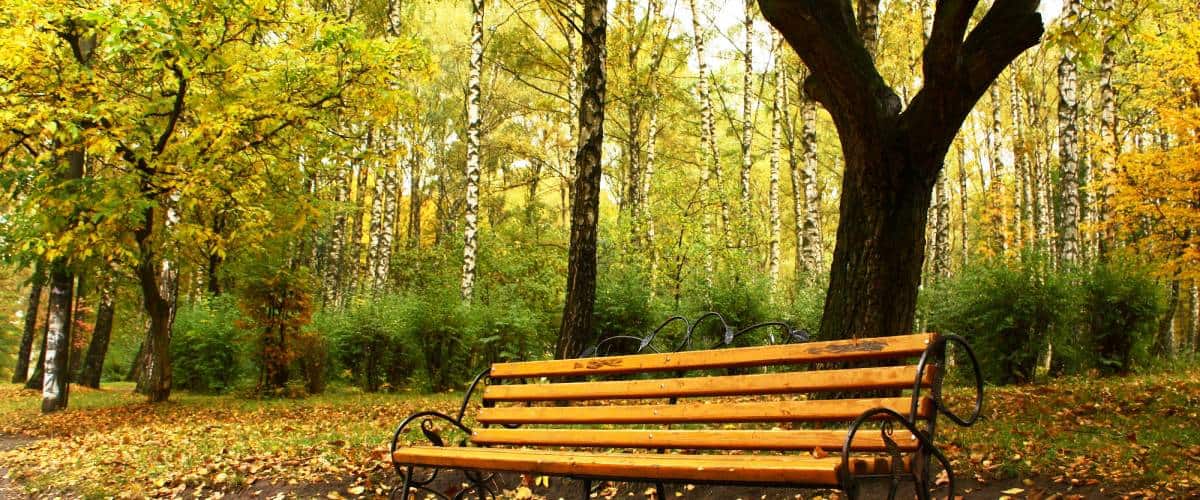
All these advantages combined make it easy to understand why trees are essential for healthy urban environments!
What makes trees so uniquely beneficial is that they work to purify our air and have the potential to mitigate stormwater runoff in areas with limited green space – making them an invaluable asset for improving water quality.
Trees are a valuable asset in urban areas, with their ability to mitigate stormwater being one of their most important benefits. According to research by the Arbor Day Foundation, trees can intercept up to 2700 gallons of rainfall yearly – that’s enough water to fill an entire swimming pool!
This interception is possible because they absorb and evaporate rainwater through their leaves and bark. The roots also act as conductors for excess runoff, absorbing it into the soil where it slowly drains away instead of overflowing onto streets or other hard surfaces. This helps reduce flooding and erosion caused by heavy storms.
In addition to these clear advantages, trees have numerous other benefits when it comes to mitigating stormwater:
With all this in mind, it’s easy to see why having plenty of healthy trees in our cities is essential – not just during storms but throughout the year too!
They provide many benefits for wildlife, from providing food and shelter to species that otherwise wouldn’t be able to survive in a city.
They can act as stepping stones connecting fragmented habitats in the urban environment. This allows animals to move freely between different city areas instead of being confined to one place.
They also improve air quality by absorbing pollutants, which helps reduce health risks associated with air pollution.
In addition, mature tree canopy provides shade and cooling effects on hot summer days. This is especially important since concrete surfaces absorb heat much faster than natural vegetation does, creating what’s known as an “urban heat island effect.”
Trees help cool down their surrounding environment by reducing the temperature around them, improving conditions for humans and other living creatures.
Overall, urban trees offer numerous benefits to wildlife, such as increased habitat connectivity, improved air quality, and reduced temperatures. Seeing how integral they are to our ecosystem, it’s no wonder cities should plant enough green spaces throughout their districts!
With this understanding of the importance of urban trees, let us explore another critical benefit: how trees increase property values.
They do this by providing tangible benefits to any city that incorporates them into the urban landscape. Like faithful companions, they help create an inviting atmosphere for potential buyers and renters. They can be considered loyal sentinels, enhancing the aesthetics of any given area with their lush foliage and stately presence.
When adding value to real estate, trees offer more than just aesthetic appeal; they provide practical energy efficiency and stormwater retention advantages. Planting new or maintaining existing ones helps reduce cooling costs by 20-50% while mitigating runoff during heavy rains, which can otherwise cause flooding.
Trees along sidewalks also improve pedestrian safety by reducing the glare caused by sunlight reflecting off asphalt surfaces, making streets much safer for people passing through.
Adding trees offers considerable economic gains, from increased business activity to higher resale prices when selling or renting out properties. Streets lined with them become magnets for potential buyers, who view these areas as desirable places to live due to their attractive look and feel.

Studies show that homes near parks or green spaces sell at a premium compared to those without such amenities nearby – another testament to the enduring power of forests in our cities.
With all this taken into account, it’s clear that incorporating trees into urban planning is essential if we want our cities to thrive economically and environmentally long into the future.
As we’ve seen here, there are countless ways urban tree cover can benefit individuals and society – but what other environmental advantages do they provide?
They are vital to any city’s infrastructure like the sturdy pillars holding up an ancient temple. They provide numerous benefits in reducing urban heat islands, which can be especially important during hot summer months when temperatures soar to dangerous levels.
Heat is created from the asphalt and concrete that make up roads, buildings, and other city structures. Trees can absorb this heat through their leaves and shade surfaces from direct sunlight, providing valuable services for keeping streets cooler.
In addition, they create moisture by releasing water vapor into the air through transpiration, further cooling high-temperature areas. This process also improves air quality by trapping pollutants such as ozone and particulate matter while releasing clean oxygen into the atmosphere.
Those planted strategically around homes and businesses can reduce energy costs, too, since less electricity is needed to power air conditioning units due to lower indoor temperatures. Residents often feel more at ease living in a greener environment with plenty of shade and fresh air on balmy days.
As if all these advantages weren’t enough, studies show there may be health benefits associated with being surrounded by trees!
The potential benefits of planting trees in cities cannot be overstated; however, aesthetic improvements come along with having leafy greens spread throughout neighborhoods.
They are like the crown jewels of neighborhoods, adding color and character to a space that would otherwise be drab and dull. They breathe life into streetscapes with their lush foliage and dancing branches, providing an elegant backdrop against which urban living comes alive.
The benefits they bring go beyond just aesthetic appeal – trees can also enhance neighborhood appearance in several ways:
First, they provide shade and protection from harsh weather conditions such as intense heat or cold winds. This helps improve livability in cities by creating more comfortable temperatures for pedestrians who wish to spend time outdoors.
Additionally, trees act as natural windbreakers that reduce noise levels around busy areas, making them quieter and more pleasant places to live.
Not only do trees have practical uses for city residents, but they can also add curb appeal to homes and businesses alike by giving properties a better view from street level.
Furthermore, studies have shown that strategically placed trees increase property values due to their beautiful nature. Some examples include:
Trees serve many essential roles in our cities—not least enhancing the appearance of neighborhoods nationwide! We can create beautiful landscapes that improve our lives by emphasizing the good things about nature in an urban setting.
With this knowledge, we can now explore how trees can reduce energy consumption… and improve air quality in our cities.
It is a common misconception that trees are simply an aesthetically pleasing addition to urban environments. However, this overlooks the multitude of other benefits they provide. They have been shown to play a significant role in reducing energy consumption and helping cities become more sustainable.
One of the key ways they help reduce energy consumption is by providing shade for buildings. Shade from tree canopies around homes reduces air conditioning costs by up to 30%, meaning households save money on their monthly utility bills. Shading multiple buildings with one large tree can result in significant savings over time in densely populated areas like cities.
When appropriately used, trees act as natural windbreakers, which further helps decrease cooling needs during hotter months.
These effects should be considered; according to some estimates, planting just 3 large shade trees near each residence could save city governments millions in energy costs annually!
Here are 4 key points about how trees help reduce energy consumption:
The numerous advantages of urban forestry cannot be ignored – it’s clear that trees play an integral part in making our cities more efficient while improving quality of life and overall sustainability levels. We must consider how these same principles apply to human health and well-being.
Trees can be a much-needed source of life in urban areas. One cannot help but notice the greenery swaying in the breeze when walking through a city park or strolling down a tree-lined street. Their presence is aesthetically pleasing and provides invaluable human health and well-being benefits.
In addition to providing oxygen, they filter pollutants out of the air we breathe and reduce stress levels with their calming beauty. Studies have shown that people living near green spaces report fewer physical complaints such as headaches, chest tightness, dizziness, and fatigue–all issues associated with exposure to high levels of pollutants commonly found in cities.
Not only do these effects occur quickly after coming into contact with nature, but they are also long-lasting if regular contact is maintained over time.

The psychological benefits of having access to nature in an urban setting should be noticed. Trees can provide shade from direct sunlight for recreation and outdoor relaxation activities, allowing citizens to connect with nature without leaving the city limits.
This increased connection has been proven to improve mental alertness and productivity and reduce anxiety and depression symptoms, making cities better places for all residents to live healthier lives.
They are like a green oasis in the urban landscape, providing mental health benefits that positively affect our lives. Like an island of calm amidst the bustling city streets, trees offer us psychological refuge and respite from life’s worries.
These calming effects can be felt immediately when we step into nature—even if it’s just for a few moments. Studies have shown that spending time around trees lowers stress levels, increases feelings of well-being, reduces fatigue, and has even been linked to improved cognitive functioning.
They provide much-needed greenery in cities where concrete and steel often make up most of the environment; they bring oxygen to our lungs and create natural habitats for birds and other animals that otherwise would not exist in such heavily populated areas.
Their presence is also associated with increased social connectedness among those who spend time there. Parks or gardens where people gather become communal gathering – spaces where conversations are sparked between strangers and lasting friendships are formed. This sense of community helps promote physical activity among locals while furthering positive relationships between neighbors.
From offering respite from everyday stresses to increasing community connections, it’s no wonder why planting more trees is so important for urban dwellers—but what about the challenges?
They can bring numerous benefits to cities, from mental health benefits to reducing air pollution. However, planting and maintaining urban trees is not a challenge; for city planners to ensure the success of their tree programs, they must be aware of these difficulties.
The most obvious challenge to planting urban trees is finding a suitable location. City streets often lack adequate space for large trees or have underground infrastructure that may interfere with root systems. In addition, soil quality can pose an issue; if pollutants are present in the soil, it could damage sensitive root systems or even lead to death.
Another factor that must be considered when planning an urban tree program is maintenance. Trees require regular care throughout their life cycle to stay healthy and flourish, including watering, pruning, pest control, and more. Suppose any of these activities need to be addressed or done correctly. In that case, it can weaken the overall health, which may result in costly repairs.
Due to all these potential issues surrounding urban tree plantings, cities need comprehensive strategies and resources before beginning their projects. Ensuring every project succeeds requires knowledge about best practices and financial support from local government officials and community members. Otherwise, it could cost more than expected, both financially and environmentally.
How cities ensure the success of their urban tree-planting programs will depend on many factors. Still, it should always consider cost-effectiveness, sustainability, and safety.
Urban trees are integral to any cityscape, providing various social and ecological benefits. However, planting and maintaining them is challenging. Cities must ensure that their urban planting programs are successful to reap the total rewards.
First, cities must identify areas that would benefit from increased green spaces and create policies and regulations to protect existing trees in public spaces.
Additionally, local authorities need to provide support for community members who are interested in planting street trees or starting other projects related to urban forestry. This could include offering educational materials on proper care and maintenance techniques or subsidizing purchasing and installation costs.
Furthermore, cities should ensure adequate funding for replanting efforts when necessary.

Creating incentives or rewards systems that reward people for taking proactive steps, such as reporting damaged trees or participating in volunteer activities like tree-planting days, is also beneficial.
By addressing all these issues proactively, cities can better promote sustainability while also ensuring the success of their urban tree-planting programs.
Ultimately, this will improve air quality, reduce stormwater runoff, increase wildlife habitat diversity, and mitigate the effects of climate change in urban areas—all excellent outcomes for residents and visitors alike!
Trees are vital to the success of cities, and their importance cannot be overstated. They provide myriad benefits to urban areas; they reduce air pollution, create much-needed shade, beautify neighborhoods, and even improve mental health by delivering calming green spaces. They also help increase city property values and make them more livable for residents. Communities should actively promote trees in public areas to maximize these positive effects for citizens.
Many strategies can be employed to encourage planting within communities:
These efforts will help ensure that everyone has access to information regarding the environmental advantages of planting and practical tools like grants and educational resources that empower individuals and organizations alike with the knowledge needed to successfully plant lasting greenery throughout cities.
This is an essential step towards improving our environment, which must be taken if we wish to reap all the benefits of having healthy forests near us!
Planting programs are becoming increasingly popular around the world. Through such efforts, cities can create healthier and more sustainable urban environments for their citizens. Successful urban tree-planting initiatives have been implemented in different parts of the world with significant effects. Here are some noteworthy ones:
1) In 2014, a program was launched in Singapore called “Grow More Trees,” which focused on increasing the number of trees through public-private partnerships between government entities, non-profits, businesses, and local communities. They have so far reached a milestone of 400,000 trees planted to do 1 million.
2) In 2018, Philadelphia launched its “Citywide Tree Planting Program,” which aimed to plant 300,000 trees over five years, focusing on green infrastructure development and community engagement.
3) Berlin has also seen success with its “Tree Planting Project,” which began in 2012 and is responsible for almost 10% of the city’s total forest area.
These initiatives demonstrate how cities across the globe are recognizing the importance of urban plans and taking steps to promote them within their public spaces. This kind of investment in nature not only improves air quality but also provides many other environmental benefits that will benefit future generations.
With this knowledge in mind, it is clear why investing in urban trees could provide huge returns down the line – an exploration we shall now undertake by looking at the potential future benefits.
Investing in urban tree-planting programs is a costly and time-consuming endeavor. Still, it can have numerous benefits for cities now and in the future. Irony aside, the potential rewards of investing are immense. For example, trees can:
These are just a few examples of how investing can lead to positive outcomes for people and nature – something all cities should strive towards! From protecting citizens’ health to boosting tourism revenues, there is no shortage of ways that creating green spaces through planting can pay dividends today and well into the future.
The importance of urban trees cannot be overstated. Cities that invest in their tree-planting programs can reap tremendous rewards, from providing a safer and healthier environment to boosting economic prospects. With proper planning and implementation, these green havens will flourish for generations.
But what about those who don’t believe in the power of trees? To them, I say: close your eyes, take a deep breath, and experience the world without trees—it would be entirely different! A world with no shade on hot summer days or leaves rustling in a gentle breeze, a place where birdsong is replaced by car horns and traffic pollution, a cityscape emptier still than our own due to lack of life-giving oxygen…it doesn’t bear thinking about!
So let us all rally together as citizens, governments, businesses, and environmental groups to continue investing in our treasured urban forests—because there is no better way to show our commitment towards making this planet greener and more beautiful for future generations.
If you liked this blog, check out our other tree care and maintenance articles on: