Viva Trees
Get a FREE professional tree service estimate from Viva Trees - one of the most trusted tree companies in the U.S.
OR CALL
Get a Free Estimate
Every project starts with a free tree service estimate. Enter your details to get started.

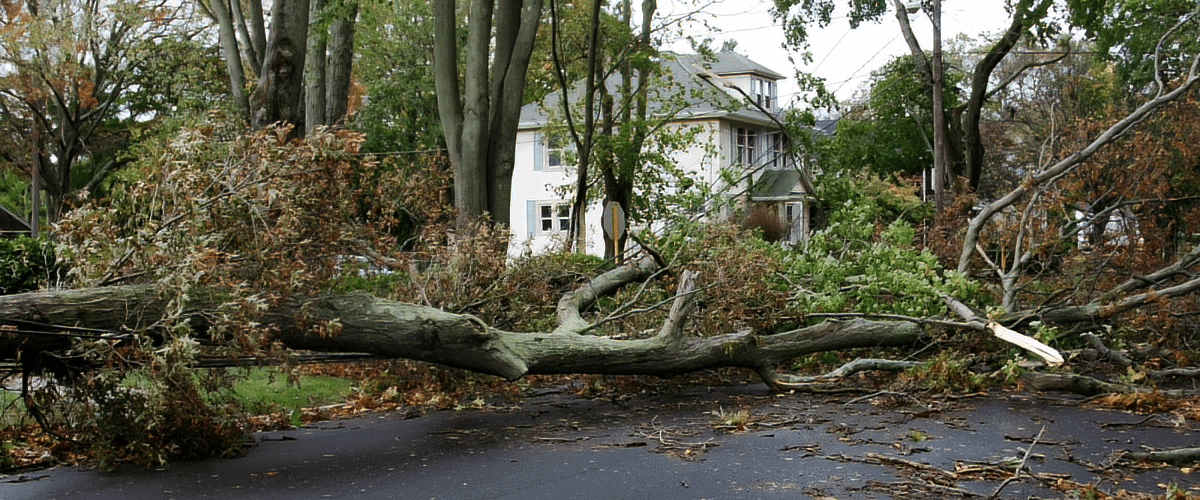
Trees are essential to the environment, providing oxygen, shade, and beauty. But, when high winds and storms hit, our beloved trees can be at risk of damage.
As a homeowner or business owner, you want to know how to protect them from wind and storm damage. You want to ensure they are safe and sound and that you can enjoy their beauty for years to come.
In this Viva Tip, I’ll explain the steps you can take to protect them from wind and storm damage. I’ll also discuss how to identify potential signs of damage and protect yourself from potential liability.
But first, let’s briefly discuss why trees fail during storms and high winds.
When storms and strong winds hit, they can be some of the most vulnerable victims. Unfortunately, it’s too common to see them get uprooted or snapped in half by a violent gust of wind.
To help protect and prevent them from being damaged in a storm, it’s essential to understand why they fail in the first place.
Some of the most common causes include:
Root damage: Trees with poorly established or damaged roots tend to fall over in strong winds. Roots are the foundation of a tree and provide the tree with stability. If the roots are not healthy or anchored well in the soil, the tree will be more prone to falling over.
Soil erosion: Heavy rain and wind can cause soil erosion around the base of a tree, making it more likely to fall over.
Weak branches: Dead, diseased, or damaged branches are more likely to break off during a storm, which can cause the tree to fall or become unstable.
Canopy imbalance: Trees with an imbalanced canopy, where one side of the tree has more foliage than the other, can be more prone to falling over in strong winds.
Poor tree selection: Some species are more susceptible to wind damage than others. Choosing a tree species not well-suited to your local climate or conditions can increase the likelihood of it falling over during a storm.
Natural failure: Some trees, particularly older ones, may have structural defects or rot that can cause them to fail during a storm, regardless of the care they receive now.
With the proper preparation, you can help keep them healthy and safe during the storm season. Next, let’s look at some of the best practices.
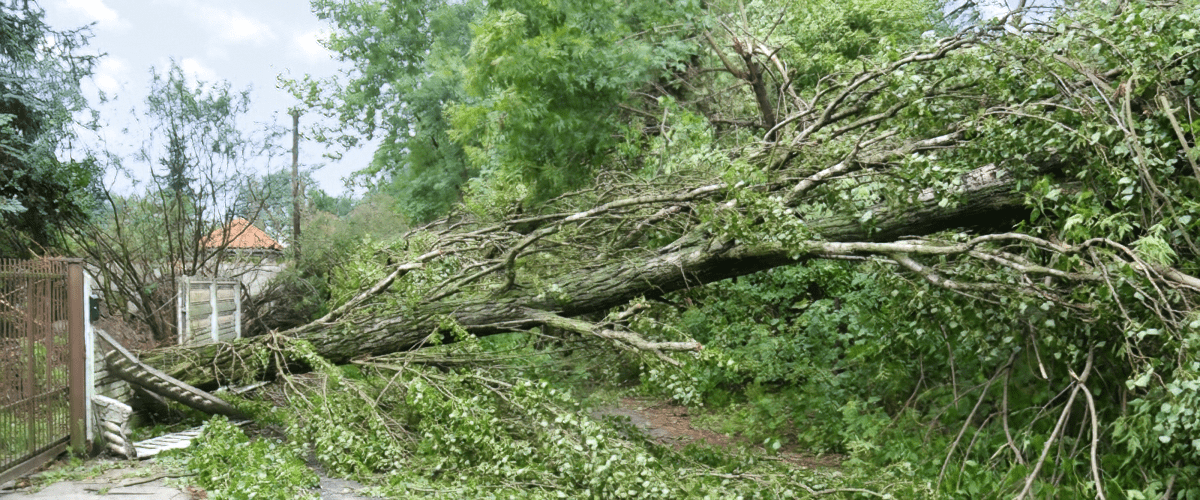
To ensure that your trees are in the best condition possible, the first step is to get a professional tree-risk assessment to determine their condition and ensure they are safe from any potential wind damage.
When it comes to protecting them from wind and storm damage, it pays to be proactive. Before taking measures, knowing their current conditions and potential risks is essential. This is where a professional tree-risk assessment comes in.
A professional arborist will help identify any signs of decay, dead branches, or other structural issues that could lead to problems in the future. They’ll be able to suggest any steps you may need to take immediately and a plan of action to maintain them.
A tree-risk assessment can also help you to plan for any future storms that may come your way. Knowing your trees’ conditions in advance and taking any necessary preventive measures can help reduce the risk of damage.
With this knowledge, you can ensure they are adequately cared for and protected from wind and storm damage.
Now it’s time to move on to the next preventive measure: getting them trimmed regularly.
Trimming your trees regularly is one of the best ways to keep them strong. Here are some of the benefits of trimming them regularly:
By getting your trees trimmed regularly and pruning them every couple of years, you can help protect them from damage caused by high winds and storms. And with a little effort and care, you can help keep them looking great and healthy for years.
Next, let’s look at installing a tree lightning protection system.
You should consider installing a lightning protection system to protect them from damage caused by wind and storms. This system is like a shield of armor that helps to protect them from harsh elements.
I think of it as a suit of armor for your tree. It’s designed to divert lightning away from it, helping to reduce the risk of damage and fire. It comprises a series of metal rods attached to the trunk and grounded into the soil. This system benefits large, mature trees most vulnerable to lightning strikes.
While it may not be the most glamorous of jobs, it’s vital to ensure it’s done correctly. And with a little extra effort, you can give them the armor they need to stay safe and strong.
Next, let’s look at how you can use cabling and bracing to help keep them safe.
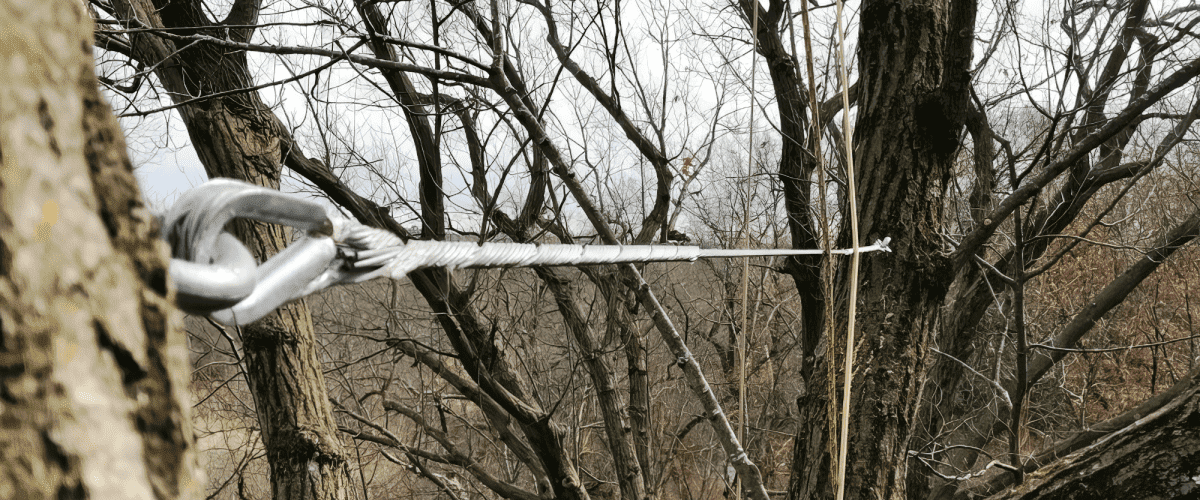
You should install a cabling and bracing system if you have any tree issues, such as weak branches or a lack of support. This additional support can be invaluable in keeping them safe and healthy during severe weather.
Here’s a quick list of what you’ll need to do:
Cabling
Bracing
By installing cabling and bracing, you can give them the extra support they need to remain stable in harsh weather conditions.
Next, consider how to protect the root system by adding tree mulch.
Once you’ve installed the cabling and bracing, the next step is to protect the root system of your trees. Adding tree mulch is the perfect way to do this. Mulch helps retain soil moisture and prevent weeds from taking root. It also helps insulate the soil and keep it cool in the summer. Think of it as a cozy blanket for your tree’s roots!
I like to start by spreading a layer of mulch in a three-foot radius around the base, covering the tree roots. This will also help to make your trees look more aesthetically pleasing. Be sure to rake the mulch out so it’s not piled up in one spot. This will help prevent the trunk from rotting due to excessive moisture.
It’s important to note that you don’t want to put too much mulch around your tree. Excessive mulch can smother the root system and lead to poor health. Aim for a two- to three-inch layer of mulch and leave a few inches of space between the trunk and the mulch.
By protecting the root system, you’ll be giving them the best chance of withstanding any wind or storm damage. Adding mulch is a quick and easy way to do this, and it will help to keep them healthy and strong.
To further protect them, the next step is to wrap the trunks.
With the root system now protected, it’s time to turn your attention to the trunk and branches. You’ll want to wrap your trees with burlap or row cover to help keep them safe during windy and stormy weather. Doing so will provide extra protection against damaging winds and heavy rains.
As I wrap them in burlap, I imagine giving them a warm hug. This reminds me to be gentle and tie the burlap securely but not too tightly. Allowing airflow and ensuring the burlap isn’t too constricting is essential. This can help to prevent any damage to the trunk and branches.
Once they’re nice and snug, you can rest easy knowing you’ve done your best to protect them from the elements. But don’t forget that the young still must be regularly watered to thrive. So keep up with their watering needs, even if the weather isn’t cooperating. With some extra TLC, you can be sure they will be strong and healthy for years.
Young trees, in particular, are especially vulnerable to the effects of wind and storm damage, and it’s essential to take extra steps to ensure that they stay healthy and strong. An essential part of protecting them from these elements is providing them with consistent and regular water.
Imagine a young tree as an infant that needs nourishment and nurturing. Without enough water, their growth will be stunted, and their roots will be weakened. Once established, it will be able to withstand wind and storm damage much better than if it was still young and vulnerable.
I like to check the soil around the young ones every week. If the soil is dry, I’ll water it well with a hose or can. It’s essential to keep in mind, however, that too much water can be just as harmful as not enough. You’ll want to ensure the soil is damp yet not soaking wet.
Watering the young ones regularly is essential to protect them from wind and storm damage. By ensuring they receive the nourishment they need to thrive, you’ll be helping to ensure that they grow up strong and sturdy.
Next up: Staking for extra strength and stability.
Once you’ve ensured that they are adequately watered, it’s time to turn your attention to staking them. Although staking isn’t always necessary, it can be a great way to help protect them from wind and storm damage. But there are a few things you’ll want to consider before you start.
I always like to think about the age and size of the tree, as well as how exposed it is to the wind. If you’ve got a young and small tree, then you’ll need to stake it securely to protect it from the elements. If it’s older, consider using a tree tie or a guy line instead.
Regarding the actual staking process, using the correct stakes is essential. For the smaller ones, you’ll want to use bamboo or plastic-coated metal stakes, as these are less likely to cause damage to the roots. The larger ones may require metal stakes to support the weight better.
Once you’ve chosen the right stakes, it’s time to work. Start by driving the stakes into the ground at a 45-degree angle, exposing a few inches of the stake. Then, use a tree tie or guy line to secure them to the stakes. Ensure the ties are secure but not too tight, as this can cause damage to the bark. You will have to loosen the line periodically as it grows.
Staking your trees can be a great way to protect them from wind and storm damage. Just remember to take the time to choose the right stakes and ties and secure them properly.
With these steps out of the way, it’s time to move on to other related things to prepare for a storm.
Before a storm hits, you’ll want to understand what your homeowner’s insurance covers. Homeowners’ insurance typically covers damage from wind, hail, lightning, and other natural disasters. This means if a tree was to fall or damage your property due to a storm, you could claim the cost of repair or even tree removal.
It’s essential to read the fine print of your policy so you know precisely what is and isn’t covered. This way, you won’t be caught off guard if you need to make a claim. Additionally, many policies will require you to take specific steps before submitting a claim, such as documenting the damage and getting a professional assessment.
Once you’ve taken the time to understand your homeowner’s insurance policy, you’ll be in a better position to protect them from wind and storm damage. And, if the worst should happen, you’ll be prepared to make a claim and get the help you need to repair or replace the damaged ones.
Having a plan in place can give you peace of mind knowing that they will be taken care of in the event of a storm. Let’s look at some things to look out for after the storm passes.
After the storm has passed, it’s essential to:
Broken branches or limbs: Look for ao take the time to assess any damage that may have occurred. Here are a few things to look for broken branches or limbs that strong winds, heavy rains, or hail may have knocked off.
Torn bark or stripped leaves: If the bark is torn or the leaves are stripped off, it could indicate a problem with the tree’s health.
Cracks in the trunk: If you notice any cracks in the tree’s trunk, it could be a sign of structural damage that could cause it to become unstable.
Root damage: Look at the ground around the tree’s base for any exposed roots or soil that may have been disturbed by the storm.
When conducting your inspection, it’s essential to keep safety in mind. If you notice any signs of damage, it’s best to contact a tree care professional to assess the situation. A professional can help you determine if it is stable and safe, and they will be able to advise you on the best course of action. They can also assist with tree removal if necessary.
Protecting your trees from wind and storm damage is vital to maintaining a healthy and safe outdoor environment. It is essential to take preventive measures such as pruning, bracing, and staking to ensure they are better equipped to withstand the elements. Additionally, selecting suitable species for your area can help reduce the risk of damage from wind and storms.
Proper care is essential for protecting your trees from wind and storm damage. You can ensure they can withstand extreme weather conditions better with the right strategies and techniques.
If you liked this blog, check out our other tree care and maintenance articles on: