Viva Trees
Get a FREE professional tree service estimate from Viva Trees - one of the most trusted tree companies in the U.S.
OR CALL
Get a Free Estimate
Every project starts with a free tree service estimate. Enter your details to get started.

Trees play a vital role in our environment and communities, providing shade, oxygen, and habitat for various wildlife. However, to keep them healthy and safe, it’s essential to keep them well-maintained through tree trimming and tree pruning services.
In this quick Viva Tip, we will take a simple approach to understanding the differences between tree trimming and tree pruning services, including their benefits, the tools required, and the best time to do each service in Texas.
Tree pruning and tree trimming are services with unique benefits and purposes.
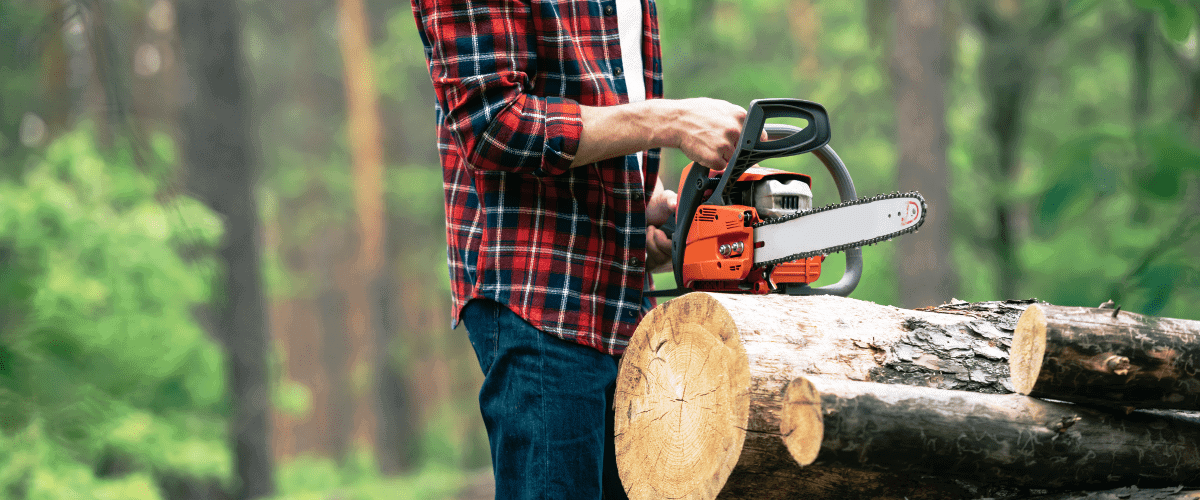
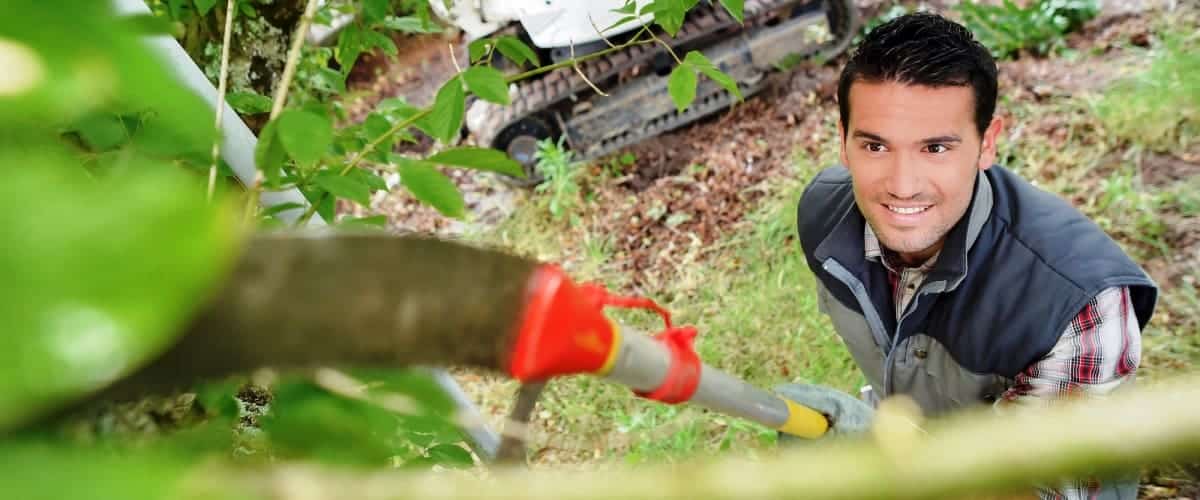
Tree trimming removes dead, diseased, or overgrown branches to improve the tree’s overall appearance and health. This is done to maintain the shape and size of the tree, remove damaged or diseased branches, and increase the amount of sunlight and air that can reach the tree.
Tree trimming can also be done to clear away branches blocking a view or causing damage to a structure, building, or even power lines.
Tree pruning is shaping and training a tree’s growth to improve its structure and health, which helps prevent future problems. This removes weak or crossing branches, enhances the tree’s structure and shape, promotes healthy growth, and prevents the tree from becoming too large or unmanageable.
Tree pruning can also be done to remove hazardous branches, improve fruit yield and quality and reduce the risk of disease and pest infestation.
In short, “tree trimming” is about removing unwanted or damaged branches and maintaining the tree’s shape and size, while “tree pruning” is about shaping the tree’s growth to improve its structure and health, enhance its look, and prevent future problems.
Tree trimming requires skill and precision. It’s an art form that needs to be done just right, or it can cause severe damage to trees!
The process is more than just aesthetics; it’s also about promoting healthy growth, removing dead or diseased limbs, and ensuring the tree’s future health.
Tree trimming can help a tree thrive! Done correctly, it eliminates unruly overgrowth and offers vital protection against storms and other natural elements.
Plus, if you want your yard to look great, pruning those branches regularly is vital.
Taking care of the trees in our yard demonstrates our appreciation for nature.

It’s important to remember that tree trimming should only be done when necessary, according to an expert’s assessment of what’s in the best interest of maintaining strong and healthy trees.
Tree trimming works wonders when expertly applied, restoring balance and shape while granting hardy immunity to harsh environmental conditions.
Proper tree-trimming will promote resilience, verify beauty, and respect nature all at once—like art achieved through craftsmanship!
Tree pruning is an art form – a more involved process than trimming. It’s a delicate process that requires thoughtful consideration and skill to get it right.
It takes detailed knowledge of how trees grow and a savvy eye to recognize what needs to be done to promote strong and healthy growth in the future.
It involves selectively removing deadwood, diseased branches, and overcrowded twigs while keeping the tree’s natural shape intact and ensuring it never looks artificial or forced.
Tree pruning requires shaping each branch with precision to create a beautiful silhouette that adds character to any outdoor space. Done correctly, it can transform even the most plain-looking trees into something truly stunning!
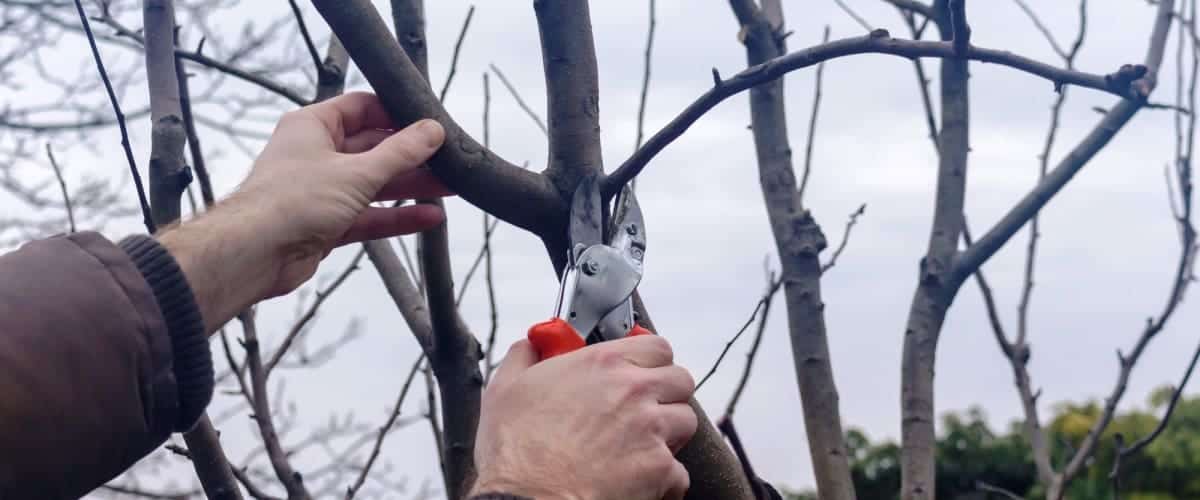
It’s not just about making them look good, either. When done correctly, tree pruning can also help prevent future problems with structure, health, and stability. Clearing away deadwood before it becomes a hazard ensures your tree thrives for years.
The tree trimming or pruning frequency depends on the tree species and its growth rate. Mature trees such as Oak, Pine, and Elm should be trimmed or pruned every 3-5 years, while young trees may need to be cut or pruned more frequently.
The best time to trim or prune trees in Texas is during the dormant season, typically between late fall and early spring, when the tree is not actively growing.
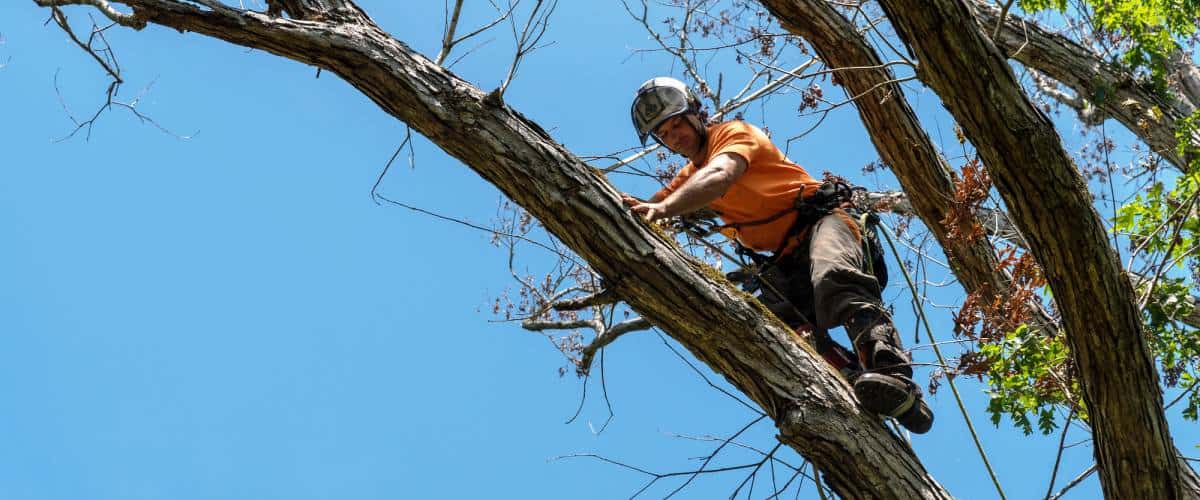
While it is possible to trim or prune trees yourself, hiring a professional arborist for larger or more complex jobs is recommended. This is because proper tree trimming and pruning require specific knowledge and skills to safely and adequately perform.
Tree trimming and pruning can benefit the tree’s overall health and appearance, but if done correctly, it can help the tree.
Hiring a professional tree care company ensures the job is done correctly and the tree’s health is not compromised.
The cost of tree trimming or pruning in Texas depends on the size and condition of the tree, the location, and the job’s complexity.
On average, Texas tree trimming and pruning services can range from $75 to $1000 or more, depending on the circumstances. It’s best to get a quote from a professional arborist for a more accurate estimate.
Topping a tree is a harmful practice that involves cutting off large branches to reduce the height of a tree. On the other hand, tree pruning is the process of shaping and training a tree’s growth to improve its structure and health, which helps prevent future problems.
In Texas, it is recommended to avoid topping a tree and instead opts for proper pruning techniques to maintain its health and structure.
Deadwooding is the process of removing dead branches from a tree. In contrast, tree pruning is the process of shaping and training a tree’s growth to improve its structure and health, which helps prevent future problems.
Deadwooding is a sub-service of tree pruning, but it is an essential step in maintaining the overall health of a tree in Texas.
Oak trees are susceptible to oak wilt and should only be pruned during the dormant season to reduce the risk of infection.
Pine trees in Texas are sensitive to mistreatment and should be pruned with care to avoid causing damage or stress to the tree.
The Mesquite trees in Texas are known for their aggressive growth. They should be pruned regularly to prevent becoming too large or unmanageable.
Fruit trees such as pecan and peach should be pruned during the dormant season to promote healthy fruit production.
It’s always best to consult with a professional arborist for specific care and attention for the tree species found in Texas.
In conclusion, tree trimming and pruning are services with unique benefits and purposes.
Tree trimming removes dead, diseased, or overgrown branches. In contrast, tree pruning focuses on shaping and training a tree’s growth to improve its structure and health.
It’s essential to hire a professional arborist to ensure that the job is done correctly and that the tree’s health is not compromised. Remember that regular tree care services, like trimming and pruning, can increase the tree’s overall lifespan and enhance the beauty and safety of your property.
Please don’t hesitate to reach out if you have any other questions or need help.
If you liked this blog, check out our other tree care and maintenance articles on: