Viva Trees
Get a FREE professional tree service estimate from Viva Trees - one of the most trusted tree companies in the U.S.
OR CALL
Get a Free Estimate
Every project starts with a free tree service estimate. Enter your details to get started.

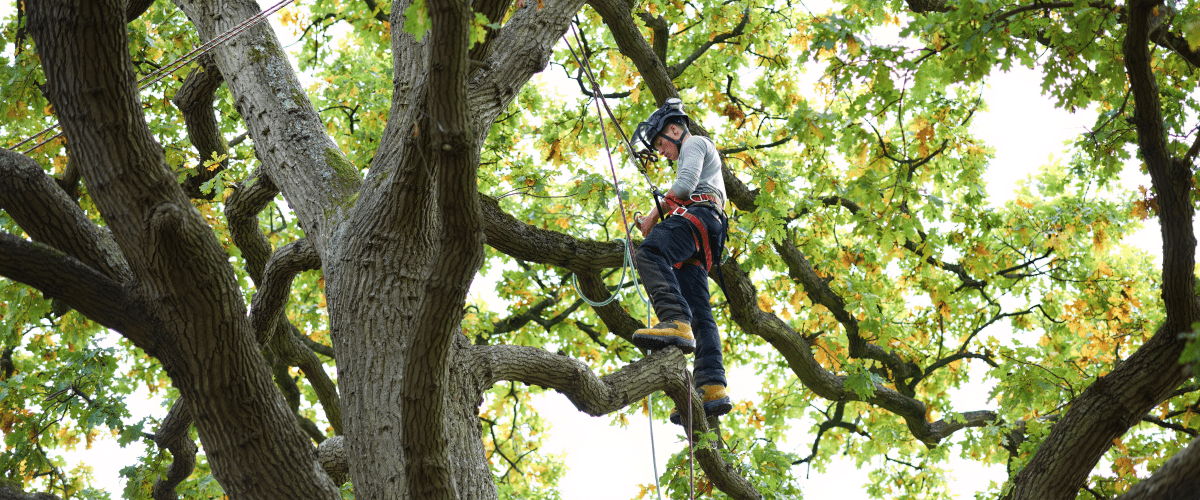
Tree assessments are essential because they tell you if your trees are healthy enough to survive storms and other bad weather. They also provide information about how much water your trees require throughout the year.
A tree inspection is the first thing you should do to ensure the health and safety of your trees and your home. By scheduling annual visits with a certified arborist, you’ll be able to catch potential problems early and address them before they become significant issues.
While many homeowners think of trees as just pretty decorations, they play a vital role in our lives. Trees help keep us safe by providing shade, reducing air pollution, filtering water, and protecting against extreme weather. They even improve our mental well-being.
Both deciduous and evergreen trees can benefit from an assessment. Because they are more significant and likely to be damaged, mature trees may need to be checked more often. However, regular inspections can keep your trees healthy for many years.
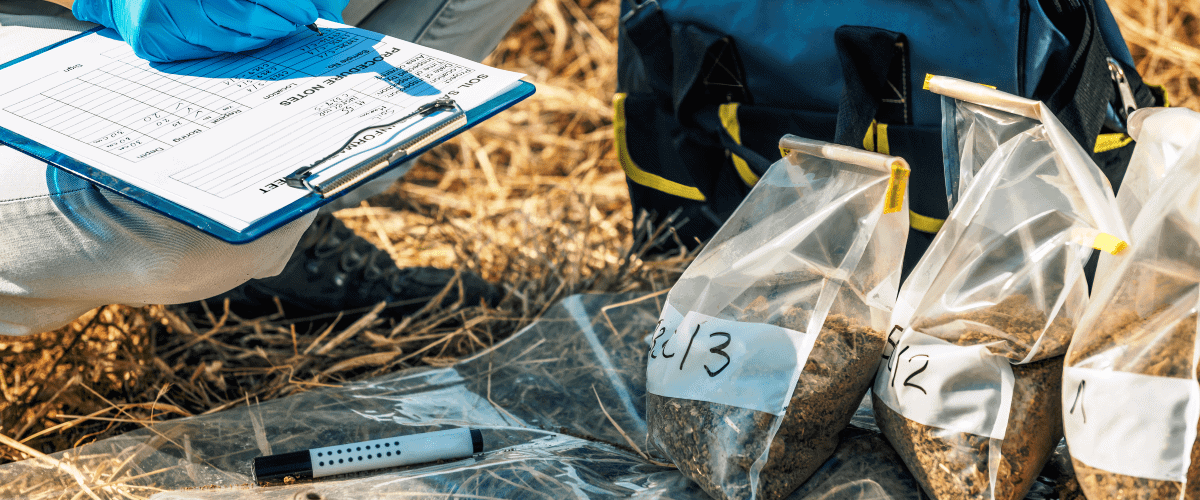
A certified arborist performs a tree assessment to identify potential issues with the tree. As part of a tree assessment, you look at the trunk, branches, tree roots, bark, leaves, and soil around your trees. During the process, arborists look for signs of disease, insects, fungus, and damage caused by animals such as squirrels and deer. They’ll check for cracks, leaning, root plates, and significant problems such as dead branches and limbs. A good arborist will also inspect the trunk and crown for signs of insect infestation, disease, and water stress.
Having a professional arborist look at your trees can help you find any possible health or structural problems and determine how likely they are to fail. A professional arborist can also tell you how to care for and maintain your trees to make them healthier overall. A professional assessment can also help find any potential dangers that could put the safety of your property or those around it at risk.
One of the most important reasons to have your trees assessed is to check their health. This is best done in the winter when the tree is dormant, and arborists can see its overall health. During the assessment, an arborist can look for signs of disease, rotting, insect infestations, and other issues affecting the tree’s health. They can also look for any structural problems that, if left unchecked, could cause the tree to become unstable and pose a safety hazard. Having your trees checked out while dormant can ensure they stay healthy and strong for years.
Whether your trees have just been planted or have been standing for many years, it is vital to have them assessed. A trained arborist can see damage or disease that you might not be able to see from the ground. Examples of damage that can be caused include broken or cracked branches, weak forks, or insect infestations. An arborist can also identify fungal root rots or canker diseases. An arborist can determine your trees’ health and plan their care based on the existing damage and conditions.
Having your trees assessed could significantly reduce the risk of storm damage. High winds and heavy rains are expected during winter and can cause problems for trees if improperly maintained. An arborist can look at your trees to see if there are any dangers, such as broken or dead branches that may be more likely to fall off in strong winds. Additionally, they can check for any signs of disease or pest infestations that could compromise the tree’s integrity and make it more vulnerable to wind and rain damage.
To get a good idea of how your trees are doing, you should look at them at least twice a year. Once during the winter season and again during the summer season. Arborists can tell if a tree branch is weakening or if animals have eaten away during winter. They can also look for signs of decay because summer leaves don’t cover trees. These signs might include browning bark, broken branches, or dead limbs. If you notice any of these symptoms, contact your local arborist immediately.
During the summer, arborists can examine the color of your tree’s leaves and the tree’s growth. This information can help determine whether your trees require pruning services or fertilizing. Check the tree trunk and roots for rot or insect infestation signs.
Without adequately assessing your trees, you could allow minor issues to become major problems. For example, you could damage your trees by trimming too much off without knowing about weak branches. Or, you could miss necessary maintenance like fertilization and pest control.
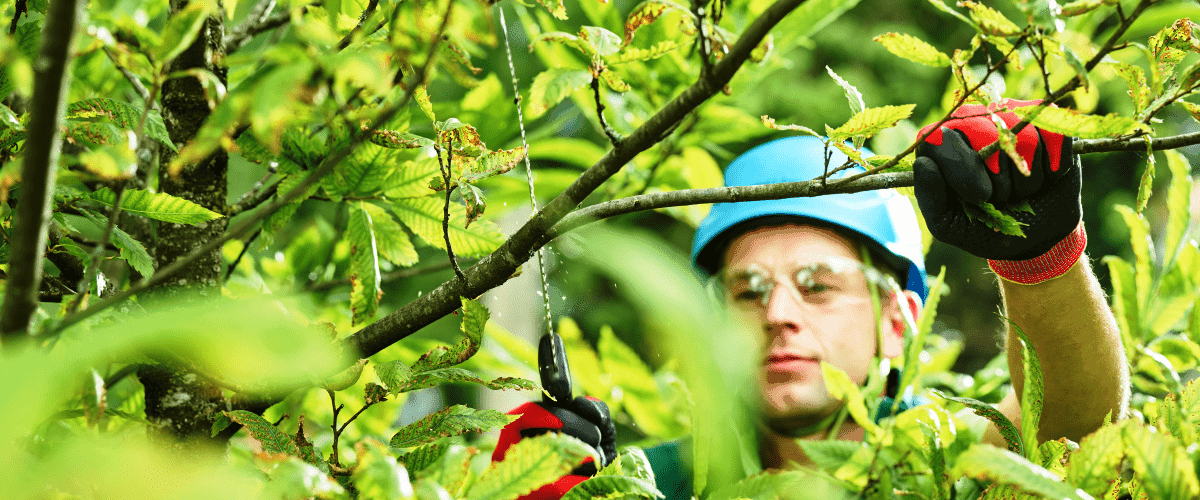
Once you have your trees assessed, there are several steps you can take to keep them healthy year-round. Prune dead branches and limbs to reduce the risk of breakage during storms. Make sure to water your trees regularly to keep them hydrated and nourished. Fertilize your soil with nutrients that will promote strong tree growth. Finally, watch for any signs of disease or insect infestation and contact a professional to address the issue.
Let’s detail how pruning and removing dead limbs can keep your trees healthy throughout the year.
Pruning your trees is an essential part of keeping them healthy. Pruning helps maintain the tree’s structure and can improve its overall health. It removes dead, diseased, or broken branches, which can help stop the spread of disease, make the tree look better, and make it less likely to be damaged by storms.
Pruning also keeps the tree from becoming overgrown and encourages new branch growth. Having a professional arborist look at your trees is a great way to ensure they are healthy and robust. Pruning them to the correct size and shape is essential for keeping them healthy and looking their best.
The fourth reason you should have your trees assessed is to remove dead or hazardous limbs. Dead limbs can become a safety hazard, as they can break off during high winds and cause damage to property or injury to people. They can also provide pathways for pests and diseases to enter the tree. An arborist can quickly find broken or dead branches and safely remove them during an assessment. This will ensure the health of your trees for the upcoming season.
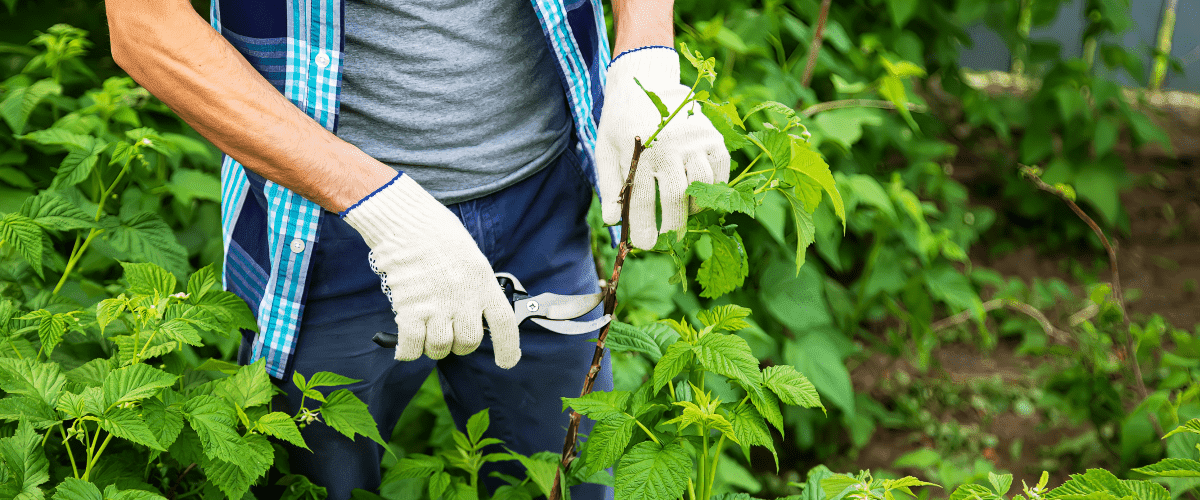
Cabling and bracing can be essential for keeping your trees safe and healthy. Our guide on cabling and bracing trees covers everything you need to know about this critical technique, including when it’s necessary and what types of trees benefit from it.
Safety is a top priority in any arboriculture project. Our guide on why safety is critical in arboriculture covers the most important safety practices and techniques for keeping yourself and your trees safe during any tree care project.
Storms can devastate trees, but with the proper preparation and support systems, you can minimize the damage. Our guide on storm preparation and support systems for your trees covers the best practices for storm-proofing your trees, including pruning, cabling, and bracing.
Strong winds can cause significant damage to trees, but there are steps you can take to minimize the risk. Our guide on preparing your trees for wind damage covers the best practices for protecting your trees from wind damage, including proper pruning techniques and support systems like cabling and bracing.
In summary, a professional tree assessment is the best way to ensure the health and safety of your trees. Arborists with a lot of experience can spot potential problems, suggest solutions, and suggest pruning and trimming tips to keep your trees healthy and beautiful. Taking the time to assess your trees now can save you time, money, and effort in the future.