Viva Trees
Get a FREE professional tree service estimate from Viva Trees - one of the most trusted tree companies in the U.S.
OR CALL
Get a Free Estimate
Every project starts with a free tree service estimate. Enter your details to get started.

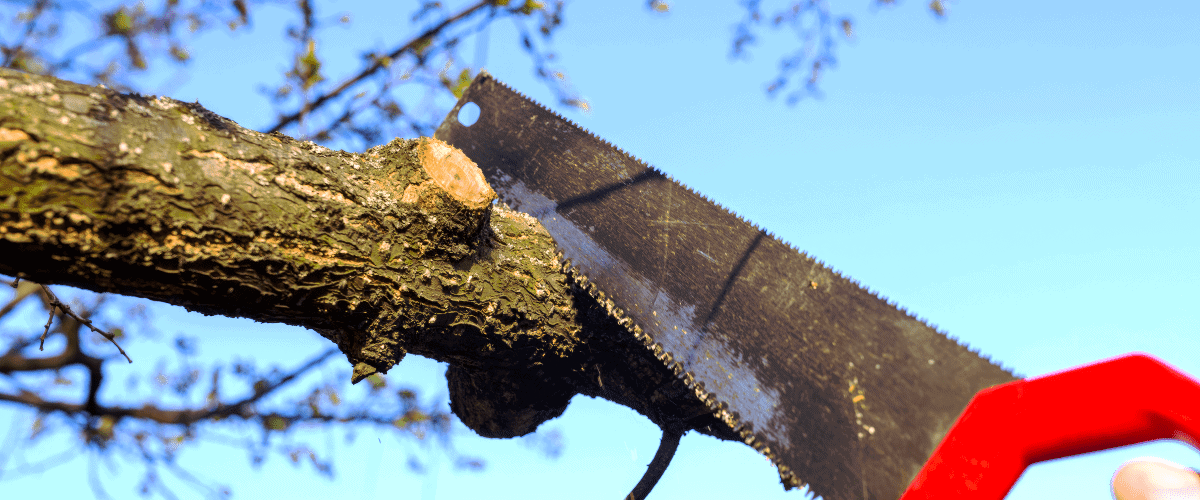
Pruning and trimming are essential for keeping your trees healthy and looking great. Not only are these activities essential for maintaining the aesthetic of a landscape, but they also play an essential role in ensuring that your trees stay strong and vibrant. Unfortunately, many homeowners don’t know how to prune or trim their trees correctly—but with expert techniques, you can have beautiful and healthy trees in no time!
From selecting the right tools to following proper safety protocols, there’s much to learn about tree care. To help make this process easier, we’ve put together this guide based on the techniques used at Viva Trees when performing Tree Pruning and Trimming Services for beautiful and healthy trees. You’ll find all the information you need to keep your tree branches trimmed correctly without compromising their health. With our advice, you can ensure that your yard and tree look good as new!
Proper knowledge is vital regardless of the kind of tree management project you’re undertaking. In this article, we’ll share everything from tips on avoiding damage due to improper cutting methods to advice on choosing appropriate timing for pruning tasks. So if you want lush foliage all year round without worrying about damaging your beloved plants, read on—we have just what you need!
Pruning and trimming services are essential for trees’ health, beauty, and safety. Corrective tree pruning services remove dead or overgrown branches to promote healthy growth in the future. Fruit tree pruning helps increase fruit production by controlling the shape and size of the tree. Shrub pruning encourages bushier growth patterns while maintaining an attractive appearance.
Lastly, structural tree pruning services eliminate hazards like weak limbs that can be dangerous during high winds or heavy snowfall. Professional arborists use these techniques to enhance a tree’s appearance, detect signs of disease and pest damage, and provide proactive solutions such as fertilization or cabling/bracing systems when necessary.
By providing corrective measures in advance, you can avoid serious problems – saving yourself time, energy, and money! With this knowledge in mind, let’s explore some benefits of tree pruning and trimming.
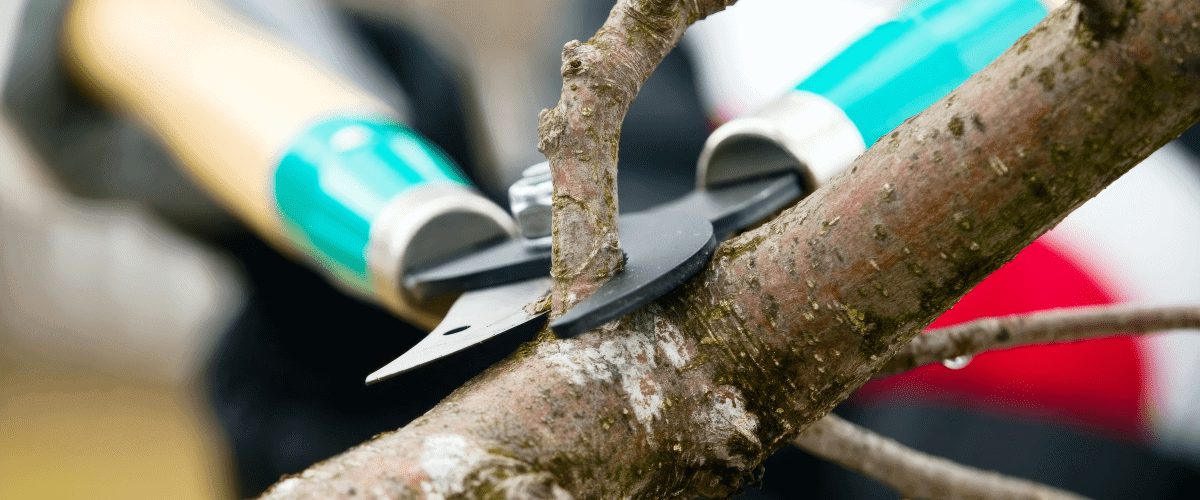
When done correctly, pruning and trimming can improve the tree’s health and overall aesthetic appeal. Crown reduction services are one popular pruning technique that helps to reduce a tree’s size while maintaining its natural shape.
Tree clearance trimming services are another beneficial way to keep trees away from buildings or other obstructions without removing them entirely. Similarly, tree crown lifting removes lower branches to create more space beneath the canopy.
Tree shape trimming is another effective method for creating an aesthetically pleasing look for any tree. This technique involves cutting back overgrown limbs so that they fit into the desired form. Lastly, thinning out the foliage helps maintain airflow throughout the entire tree, reducing disease risk caused by overcrowded branches; this process also encourages new growth within the inner parts of the plant so that light can reach further through its structure.
All these combined techniques help ensure your trees remain healthy and beautiful for years without sacrificing their natural appearance or longevity. Proper pruning and trimming practices can create a visually striking landscape that adds value inside and outside your home!
Pruning and trimming may sound similar, but they have distinct differences.
Pruning is a tree maintenance service involving selectively removing certain parts to correct an issue or encourage healthy growth. It can be done for many reasons, such as improving aesthetics, promoting strong structure and form, or using disease and pest services.
On the other hand, trimming is more focused on cleaning up overgrown branches or shaping shrubs into specific forms.
Pruning is a type of tree care that involves cutting off dead or overgrown branches to improve a tree’s overall health and appearance. It can also reduce potential unwanted growth requiring hazardous tree services due to lousy branch growth. Trimming, however, focuses more on aesthetic purposes such as shaping shrubs or creating topiary trees.
When it comes to pruning, there are several types, including performing tree thinning services for crowded branches; renewing old wood by removing older limbs; crown cleaning, which removes any dead, diseased, or damaged branches from within trees’ canopy; reducing size for clearance around buildings; and raising lower limbs near sidewalks or driveways. All these methods help keep your trees healthy and vibrant for years.
As far as trimming goes, this often involves keeping hedges neat and tidy with shearing or clipping depending on the desired shape. Topiary tree services require precise cuts to create intricate shapes like animals or geometric figures. Shrub trimming may include light pruning but mainly involves cutting back overgrowth so they don’t get too large for their designated area in your landscape design.
No matter which method you choose – whether it’s pruning or trimming – it’s important to remember that proper techniques must be followed to maintain safety standards while achieving beautiful results. Understanding the differences between these two processes will set you up for success when caring for your trees and plants year-round. With an understanding of both pruning and trimming under your belt, you’re now ready to learn about why it’s beneficial to prune a tree!
Take the case of an old maple tree in a suburban backyard. The tree was planted when the family moved into their home and has been growing for over two decades. Over time, it had become unruly, with long branches drooping low to the ground, blocking walkways and obscuring views from windows. Pruning this tree allowed them to shape it so that it provides beauty without compromising safety or convenience.
In general, there are several reasons why pruning is beneficial to trees. Pruning helps maintain a healthy structure by removing dead or diseased branches that could otherwise spread disease throughout the tree. It also improves air circulation around the tree, reducing susceptibility to pests and diseases, and provides better light penetration access- essential elements for solid growth.
Furthermore, regular pruning can encourage new branch growth resulting in a denser canopy that offers protection against extreme weather like windstorms or heavy snowfall. Finally, proper pruning techniques can help ensure your trees look aesthetically pleasing while being functional and safe for your property.
Pruning allows you to customize your trees according to your needs and preferences – whether trimming away excess foliage or shaping branches to create an attractive landscape feature. With careful planning and attention to detail, you’ll be able to keep your trees looking great while ensuring they remain healthy and vigorous members of your garden ecosystem. Moving on from here, let’s look at how best we can trim our trees…
When maintaining healthy and beautiful trees, pruning and trimming is essential. Pruning removes specific branches or stems while trimming involves cutting back entire limbs or branches. Trimming a tree can help promote growth, improve its structure, reduce risks from dangerous falling limbs, and provide more space for other plants in your garden.
Another excellent reason for trimming a tree is for safety purposes. Trees that haven’t been adequately tended to have often overhanging or drooping limbs that can pose dangers if they break off during windy weather and fall onto people or property below. To prevent this type of situation, regular pruning should be done on any trees near walkways, driveways, patios, porches, outdoor furniture areas, etc., so they don’t become hazards.
Trimming your trees also helps maintain their health by allowing air and light to reach all canopy levels, encouraging new growth at every branch tip. Additionally, it prevents pests like borers from taking hold since these insects typically prefer weak wood with poor circulation of nutrients. With proper pruning techniques employed regularly throughout the year, a healthy balance between aesthetics and practicality will be achieved for years to come!
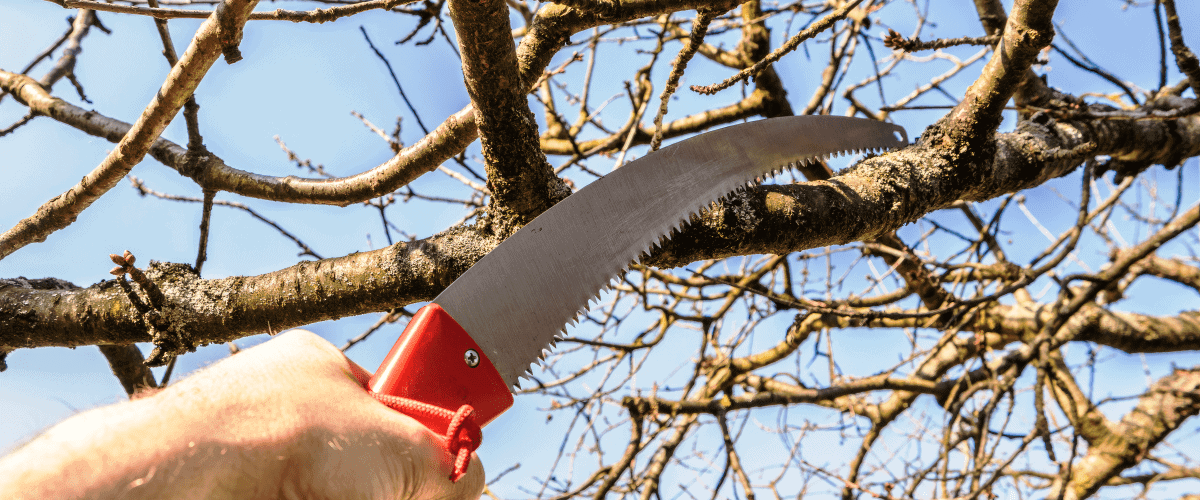
Take the case of the proud 100-year-old elm tree in a small neighborhood park. This majestic symbol of strength and endurance has withstood all sorts of weather, but now it’s losing shape and stability due to improper pruning techniques by inexperienced gardeners. Proper pruning is essential for keeping trees healthy and attractive.
The first step in proper pruning is understanding why you’re doing it – improving safety or aesthetics, increasing fruit production, rejuvenating an aging tree, or removing dead branches. Knowing your objective can help you decide which branches to cut and how much trimming to do. A good rule is that if more than one-third of a tree needs to be removed during any season, consider alternative options, like transplanting or replacing the tree.
Once you know what job needs to be done, examine each branch before cutting to know where cuts must be made. It’s essential to think about how removing certain branches might affect the tree’s overall appearance and how those changes might impact structural integrity – such as reducing wind resistance or increasing weight on one side over another. Be sure to use sharp tools and wear protective gear when handling potentially hazardous tasks like chainsaw work or climbing into tall trees.
When done correctly, pruning can enhance the beauty and longevity of a tree while helping protect people from potential danger caused by weak limbs breaking off during storms. With careful consideration and attention to detail, anyone can become adept at making safe yet effective foliage modifications that benefit both nature and their community alike.
Trimming a tree can seem intimidating, but it doesn’t have to be. With the right tools and safety precautions, anyone can learn how to trim their trees safely.
First, always wear protective gear when pruning or trimming your tree, such as gloves, glasses, long pants, and closed-toed shoes. This will help protect you from falling branches and other hazards while cutting.
Next, ensure you use the correct size saw for the branch you are working on. If the saw is too small for the job, it won’t cut properly, which could cause damage to both yourself and the tree. It’s also important to note that dust masks should be worn due to inhalation dangers when cutting with power saws.
Finally, before beginning a project like this, check with local authorities about any laws about pruning overhanging branches onto neighbors’ properties or streets. Following these simple steps will ensure a safe and successful tree-trimming experience!
Here are three tips for successful tree trimming:
Pruning correctly takes practice, but once you get used to it, there is no limit to what kind of shape your trees can take with careful attention and skillful technique. Now let’s discuss different types of tree pruning tools available so we can continue giving our trees proper care.
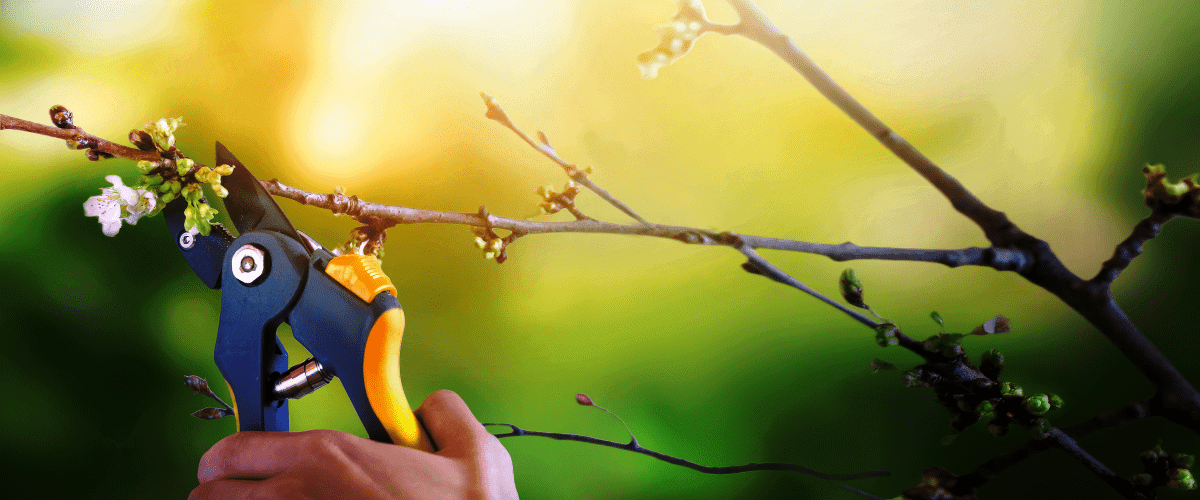
Pruning and trimming trees is like sculpting a masterpiece; the right tools can make all the difference in achieving beautiful results. There are many types of tree-pruning devices, each with its purpose. From handheld saws to pole-mounted clippers, there’s something for every type of job.
Handheld Pruners are some of the most common tree-pruning tools available. They come in two varieties:
Bypass: Bypass pruners feature curved blades that pass by one another when cutting branches
Anvil: Anvil models have sharp blades that strike against a flat surface as they cut through woody stems.
Both styles provide clean cuts on small branches up to 1/2 inch thick. Long-handled loppers or saws may be needed for thicker limbs to do the job safely.
For larger jobs, pole-mounted trimmers are the way to go. These power tools allow you to reach high into trees without climbing them or using step ladders. Pole pruners usually feature reciprocating blades powered by gas engines or spinning disks powered by electricity – both offer precise control over how much material is removed from each trimmed branch.
With so many options available, selecting the best tool for any given project isn’t always easy – but ensuring you have the right equipment for the job will ensure your work is done safely and efficiently! Transitioning now into discussing when it’s the best time for pruning or trimming a tree…
When it comes to pruning and trimming trees, timing is everything. Knowing your region’s best time of year can help you get the most out of every cut. Generally speaking, late winter or early spring are good times to prune because they’re ideal growing seasons – but there are some exceptions.
In temperate climates with cold winters, the best time to prune deciduous trees (those that lose their leaves) is during dormancy in late winter when the sap isn’t flowing as much. That way, wounds heal quickly, and new growth is encouraged. If you’re in a warmer climate where temperatures don’t drop too low – like parts of California or Florida – any time between October-March will work well.
For evergreens, which retain their foliage all year round, aim for mid-spring before buds form on branches; this helps avoid damage from pests and diseases caused by open cuts after bud break. However, if an evergreen tree becomes overgrown, you may need to prune it more often than once a year, or its shape won’t be appropriately maintained. With careful timing and attention to detail, you’ll have healthy trees that look beautiful year-round! The next step is learning how often you should prune a tree.
Pruning and trimming trees are essential for maintaining the health and beauty of your landscape. But how often should you prune or trim a tree? Knowing when and how to prune can be tricky, but understanding the best practices will help keep your trees looking great.
The table below outlines general guidelines for different types of trees:
| Tree Type | Frequency (years) |
|---|---|
| Evergreen Trees | 1-2 Years |
| Deciduous Trees | 3-4 Years |
| Fruit Trees | Annually |
Here’s a breakdown of when it’s best to prune or trim different types of trees:
Deciduous trees like maple, oak, and birch lose their leaves in the fall. These trees should be pruned every 3-4 years, typically during late winter or early spring when they are still dormant. This timing allows for new growth in the spring and summer. However, if a branch is diseased, damaged, or poses a safety hazard, it should be removed immediately, regardless of the season.
Evergreen trees, such as pine, cedar, and spruce, retain their leaves throughout the year. These trees can be trimmed or pruned year-round, although it’s best to avoid pruning during the hottest and driest summer months. This will help the tree to conserve moisture and energy.
Fruit trees, including apples, pears, and peaches, require annual pruning to promote healthy growth and fruit production. The best time to prune fruit trees is during the dormant season in late winter or early spring. This timing allows for new growth in the spring and summer, leading to a better fruit crop.
It’s important to note that while there are general guidelines for when to prune different types of trees, individual trees may have unique needs based on their age, species, and condition. For this reason, it’s always a good idea to consult with a professional arborist who can assess your trees and provide personalized advice on the best pruning practices for them.
In addition to pruning, tree trimming is essential to tree maintenance. Tree trimming can be done at any time of year as needed to clear pathways, power lines, or other obstructions. Removing branches that pose a safety hazard as soon as possible, regardless of the season, is essential.
The best time of year to prune or trim your trees depends on their type. Deciduous trees should be pruned every 3-4 years during late winter or early spring, evergreen trees can be pruned year-round except for the hottest and driest summer months, and fruit trees should be pruned annually during the dormant season. Tree trimming can be done whenever needed to address safety concerns. However, it’s always best to consult a professional arborist who can provide personalized advice tailored to your trees’ needs.
It’s also essential to look for signs that you need professional help with pruning or trimming trees. Common warning signs include dead branches, diseased wood, poorly shaped crowns, and overly dense foliage that blocks sunlight from reaching lower parts of the tree canopy. If any of these symptoms exist in your yard, then it’s advisable to call in a certified arborist who knows what they’re doing!
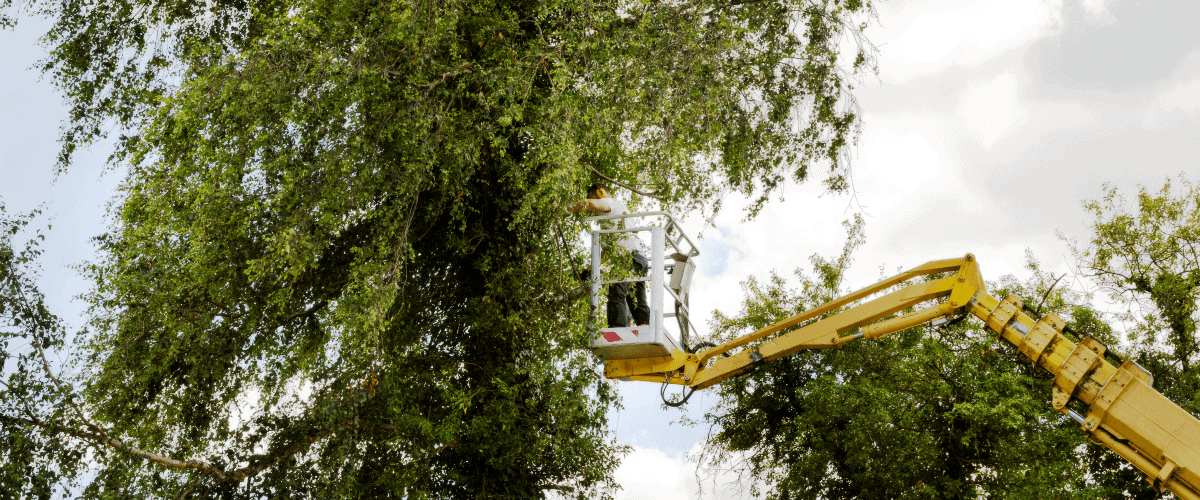
When it comes to pruning and trimming trees, many homeowners are tempted to take matters into their own hands. However, this is not always the best course of action and can often lead to more harm than good. This is why knowing when you need professional help with pruning or trimming your trees is essential.
The first sign that you may require an experienced arborist for tree care services is if multiple branches need removal. Pruning a single branch is one thing; however, attempting to tackle numerous limbs at once can be pretty dangerous for someone lacking field experience. An expert will have the necessary skill set to safely remove large sections of a tree without compromising its health.
Another sign that it may be time to call a professional is if you’re having difficulty determining which branches should remain and which should go due to overcrowding or disease infestation. With proper knowledge and equipment, an arborist will assess the situation accurately before deciding what needs to be done. They’ll also ensure that all cuts are made correctly, so as not to damage surrounding foliage or bark on the tree itself.
Failing to address these issues could lead to costly problems such as rotting wood, dead limbs, insect infestations, and other structural damages caused by improper pruning techniques. To avoid this from happening, it’s best to let a trained specialist handle your tree-care needs whenever possible – especially when larger tasks are involved – since they’ll have the expertise needed to get them done right every time. By doing so, you’re taking proactive measures toward preserving your landscape’s safety and beauty for years ahead!
We often take for granted the beauty of our trees and their vital role in maintaining a healthy landscape. Yet, when not adequately pruned or trimmed, this natural resource can suffer immense damage that may be difficult to repair. The impact of improperly pruned or trimmed trees is far-reaching and can potentially have devastating effects on the environment, property values, and safety of those nearby.
The health of a tree largely depends upon how it is cared for by humans. When proper trimming techniques are not applied correctly, branches become misshapen and weak, leading to breakage from high winds or heavy snowfall.
This presents an obvious hazard to anyone living near these weakened limbs and any passersby who could be struck by falling debris. Furthermore, if left unchecked, this neglect can lead to fungal infections like a black knot that further weaken stems and cause branch dieback.
Improperly managed trees also present difficulties concerning aesthetics – whether due to unsightly shapes caused by bad trimming jobs or dead spots resulting from disease infestations – which can negatively affect property values across entire neighborhoods. Although many people understand the importance of keeping appearances around their homes, they fail to recognize such negligence’s ripple effect on the larger community.
These examples only scratch the surface when an understanding of the consequences of improper care for one’s trees. Hopefully, they will motivate homeowners everywhere to seek professional guidance before attempting large-scale projects. Fortunately, tips are available for selecting a knowledgeable arborist that will help ensure your trees receive quality attention from start to finish…
When selecting a professional arborist, there are some key factors to consider. First, you’ll want to ensure the person is knowledgeable and experienced with trees. This includes proper training in pruning and trimming techniques, tree biology, and health knowledge. Additionally, they should have experience dealing with different trees requiring specialized care.
Next, you should look for an arborist licensed by a reputable organization such as the International Society of Arboriculture (ISA). A license indicates that the individual has met specific standards in their field and can provide quality services. It also ensures that they understand current safety protocols when working around trees. Furthermore, asking about their insurance coverage is essential to know if any damages or injuries incurred during the job will be covered.
Finally, find out how long they’ve been offering these services and whether they’re familiar with local regulations regarding tree work. You may also want to inquire about their availability and fees before deciding. Researching multiple companies or individuals will help ensure you choose someone who meets all your needs and provides excellent service at a reasonable cost.
With this information, you’ll be better prepared to hire the right professional arborist for your project. Transitioning smoothly into the subsequent section: Understanding guidelines for hiring an arborist or tree care service provider is essential for obtaining satisfactory results from any tree-related job.
Before taking the plunge and hiring an arborist or tree care service provider, you must do your due diligence. After all, you don’t want to be left with a poorly pruned or trimmed tree that can suffer long-term effects! Here are some guidelines for selecting the right professional:
A qualified arborist or tree care service provider will understand the importance of proper pruning and trimming techniques. With these guidelines in place, you’ll have greater assurance that your trees will stay healthy and beautiful for years. Now let’s move on to frequently asked questions about pruning and trimming…
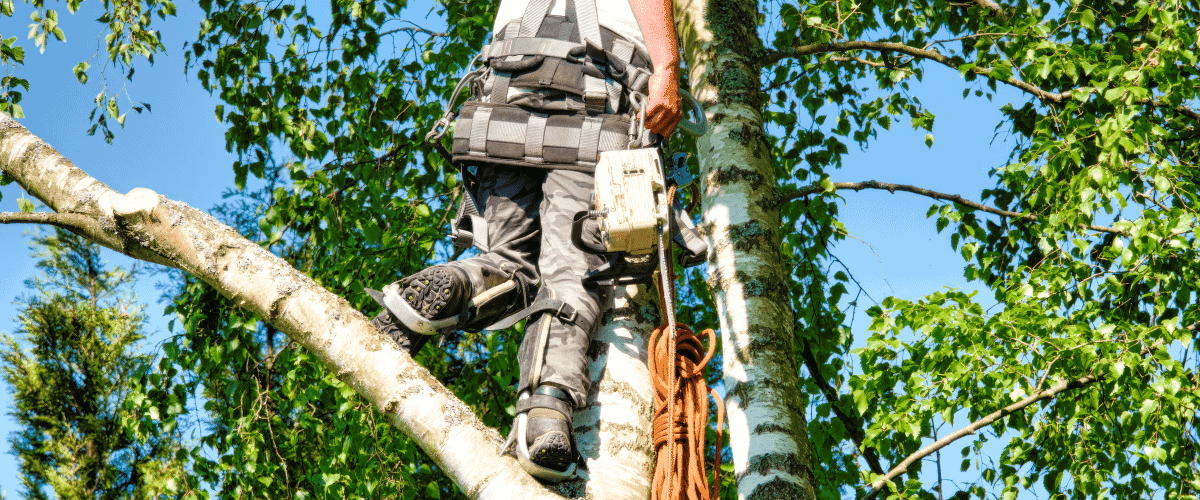
Pruning and trimming trees can be intimidating for many, but it doesn’t have to be. Understanding the basics of pruning and trimming is vital to having beautiful and healthy trees in your yard or garden. Here are some frequently asked questions about pruning and trimming that will help you get started:
Pruning shears are a must-have when it comes to trimming your trees. You may also want to consider investing in anvil-style loppers, which can cut branches up to two inches thick without damaging the tree’s bark. An arborist saw is ideal for larger branches, while hand saws work well on smaller ones.
The best time to prune your trees is during their dormant season – typically from late fall through early spring. This allows them time to heal before new growth begins in the springtime. It’s important not to prune too much at once; instead, focus on removing dead wood or crossing branches first, then move on to shaping as needed.
When looking at how much to remove or shape your tree’s branches, remember that less is more! Start by making minor cuts close to the branch collar (the swollen area where the branch meets the trunk).
Avoid “topping” cuts—cutting back large limbs all at once—as this weakens the tree’s structure and can lead to disease. If you’re worried about making mistakes, consult a professional arborist who can provide expert advice tailored to your needs.
Following these tips, you can confidently tackle any pruning or trimming project – ensuring beautiful and healthy trees for years!
The cost of pruning and trimming a tree depends on several factors. One must consider the size of the tree, its location and accessibility, and any other special requirements that may be needed to complete the job safely and efficiently. Knowing these details will help you get an accurate estimate for your project:
It’s best to contact a professional arborist with experience caring for trees so they can assess your situation and provide you with an estimate tailored to your particular needs. They’ll also be able to advise you on how often one should prune or trim their trees based on species and soil conditions – something that DIY folks might not know how to do correctly without damaging their plants in the process.
In short, if you want expert care for your trees at reasonable prices, then consulting an experienced arborist is always recommended. They’ll ensure that both your budget and treescapes stay healthy!
Pruning or trimming trees can be a great way to improve the health and beauty of your landscape. However, it’s essential to understand that there are risks associated with this type of work. In this article, we’ll explore possible risks so you can make an informed decision about pruning or trimming your trees.
One risk when pruning or trimming is damaging the tree beyond repair. Over-pruning can weaken the structure of a tree, leading to branches breaking under heavy winds and other extreme weather conditions. It’s also possible for incorrect cutting techniques to lead to infection and decay in the bark and wood of the tree. Therefore, always consult a professional arborist before attempting any major pruning project.
In addition to potential physical damage, improper pruning or trimming may result in aesthetic issues such as poor branch placement or unbalanced shape. This could detract from the overall look of your landscape and potentially reduce its value over time.
Furthermore, certain types of trees require specific methods for proper pruning, which should only be carried out by professionals who know what they’re doing. If these steps aren’t taken correctly, you could have an unsightly view instead of one that enhances your property’s appearance and curb appeal.
To ensure optimal results without sacrificing safety, it’s best to seek assistance from experienced professionals whenever considering pruning or trimming tasks on your trees. With their expertise and knowledge, you can have confidence knowing that not only will all necessary precautions be taken but also that whatever changes you make will ultimately benefit your home’s aesthetics and the overall health of your landscaping environment.
Pruning overgrown trees can seem intimidating, but with the proper technique, it doesn’t have to be. Knowing the most effective way to prune your tree is vital to maintaining its health and looking great. To that end, let’s explore what pruning method works best for overgrown trees.
The first step in any successful pruning job is understanding what type of tree you are dealing with. Different species require different techniques; some may even need more than one cut to regain their shape and size.
On top of this, each type of tree has a natural growth pattern which should also be considered when deciding how much or how little to prune away. It’s important not to remove too much foliage as this could cause damage or stunt the plant’s future growth.
Once you know what kind of tree you are working with, there are two main methods of pruning: thinning out branches and cutting back whole limbs. Thinning out involves removing select parts of the branch structure while leaving others intact so light can penetrate the canopy.
This helps promote air circulation and reduces overcrowding within the crown area while allowing new buds to form along healthy stem sections. Cutting back entire limbs allows you to completely reshape a section without worrying about stunting future growth by taking off too many branches at once.
Whichever method you choose, always use sharp tools and wear protective clothing—such as gloves and safety glasses—when performing any pruning task. Following these steps ensures that your work will produce a cleaner-looking tree that grows healthier yearly!
Pruning and trimming trees can be likened to giving a haircut – an art form requiring finesse and skill. When done correctly, the results are magnificent: A tree with healthy foliage that looks great all year round. But what if you’re not sure which techniques should be avoided? Are there any pruning or trimming methods that could potentially do more harm than good?
The answer is yes – there are specific pruning and trimming techniques that should be avoided at all costs. Topping, for example, involves cutting off large sections of branches from the top of a tree to reduce its height. This technique can cause stress on the tree, leading to weak growth and even death. In addition, topping often leads to ugly stubs where branches have been removed.
Other techniques, such as excessive thinning or improper use of shears, should also be avoided when pruning or trimming trees. Thinning removes too many leaves at once, weakening a tree’s structure, while shearing improperly reduces airflow around the branches, leading to fungal infections. It’s essential to understand how each technique affects the health of your trees so that you can make informed decisions about their care.
At the end of the day, proper pruning and trimming require patience and knowledge – taking shortcuts may result in negative consequences for your trees down the line! However, with proper education on these expert techniques, anyone can create beautiful and healthy trees through careful pruning and trimming.
Pruning and trimming trees can be daunting, especially for those without the necessary knowledge or experience. But with the proper guidance, it’s possible to prune or trim a tree yourself – even if you don’t have any expertise. So how do you go about this?
First of all, research is critical. Look into specific species of trees in your area; some may require special techniques that others don’t. You should also consult certified arborists who can advise on which techniques best suit your situation. Additionally, check local regulations for cutting down trees to avoid legal issues.
Once you know what needs to be done, select appropriate tools for the job – like pruning shears, loppers, and saws – and wear protective clothing, such as gloves and safety glasses, before beginning work. When it comes to pruning or trimming the tree, use sharp tools that make clean cuts so that no extra damage is caused to the plant. Also, watch for signs of disease or infestation that could indicate a more significant problem.
Caring for a tree correctly can take time and effort, but by taking the steps outlined above, you’ll ensure its beauty and healthiness over time. With patience and dedication, there’s no reason anyone shouldn’t be able to handle their pruning or trimming projects safely and effectively.
Regarding the care and maintenance of trees, pruning and trimming can be essential for their beauty and health. But are there certain species that should never be subjected to these practices? This is a question many homeowners have when caring for their yards and gardens.
The answer depends on several factors. Certain varieties of trees may respond poorly or even suffer damage if pruned or trimmed in the wrong season, while other types do not need to be altered at all. For example, conifers require little to no trimming because they naturally maintain an attractive shape without human intervention. On the other hand, deciduous trees often require regular pruning or trimming due to the possibility of overgrowth, which could lead to structural issues or disease.
In addition, some tree species are more sensitive than others regarding pruning and trimming techniques. Trees with multiple main trunks must be treated carefully since improper cuts could result in injury or death. Other vulnerable specimens include fruit-bearing trees such as apple, peach, and cherry; they should only be touched by experienced professionals who know how best to ensure productivity while protecting their well-being in the long run.
Ultimately, whether you decide to take on pruning and trimming yourself or leave it up to an expert boils down to your knowledge level about each tree’s needs and how much effort you’re willing (or able) to invest into its upkeep. With any luck, this article has provided helpful insight into what considerations you should make before taking those shears out!
Pruning and trimming can be an essential part of maintaining a healthy tree. While some trees may require less maintenance, certain types need more frequent pruning or trimming to remain healthy. Here are four tips for identifying those varieties:
Knowing which types of trees require more regular pruning or trimming can help you keep them looking great year-round. Pruning helps control the shape of your tree while also increasing air circulation and sunlight penetration, allowing it to stay strong and healthy during all seasons.
Trimming should focus on removing low-hanging branches and crossing branches to not damage other parts of the tree’s structure when they come into contact. Additionally, suppose you choose to fertilize your tree. In that case, this is best done after pruning and trimming have taken place to ensure optimal absorption by the roots before new growth begins.
By taking these steps regularly, you’ll be able to enjoy a beautiful landscape that will last for years to come! Knowing which kinds of trees require extra care will go a long way toward helping you maintain their health and vibrancy over time – no matter what season it may be!
Pruning and trimming are essential for keeping your trees healthy and beautiful, but knowing which service you need can be challenging. Our guide on pruning vs. trimming services covers the differences between these two services and which one is right for your trees.
Tree pruning prices can vary widely depending on several factors. You can learn more about what affects tree pruning prices which covers the most important considerations when determining the cost of tree pruning, including tree size, accessibility, and the extent of the pruning needed.
Trimming your neighbor’s tree can be tricky, but there are ways to handle it professionally and respectfully. Trimming your neighbor’s tree can be tricky, but we cover the most effective ways to communicate with your neighbor about tree trimming and what to do if you can’t agree.
What is the best time to prune in Texas, and why it’s important to prune at the right time? Pruning at the right time is essential for maintaining healthy trees, and the timing can vary depending on your location.
Crown reduction can effectively reduce the size of a tree’s canopy while maintaining its health and beauty. Our guide on why tree crown reduction is necessary covers the most important reasons for using this technique, including safety concerns, aesthetics, and tree health.
Deadwooding services remove dead or dying branches from a tree, essential for maintaining tree health and safety. Our blog post, the importance of deadwooding, covers the benefits of this technique and how to do it safely and effectively.
Winter can be an optimal time for tree pruning, and there are several benefits to doing so during this season. Take a look at the benefits of pruning trees during winter, which covers why winter pruning is beneficial, including reduced risk of disease and improved tree structure.
Pruning and trimming are two essential techniques for keeping trees healthy and attractive. But how do you know if it’s best to take on the job yourself or hire a professional? The truth is, there’s no one-size-fits-all answer.
Whether you decide to DIY your project or employ an experienced arborist will depend on your tree’s size, species, and expertise. It may be worth investing in the services of a professional if it’s a large tree or requires specialized knowledge.
Ultimately, informed decisions about pruning and trimming can help ensure beautiful and healthy trees all year round. Researching proper techniques and safety measures should always be part of any plan before starting work on your trees. With this approach, you’ll be able to ensure that you and your trees remain safe while also giving them the care they deserve!