Viva Trees
Get a FREE professional tree service estimate from Viva Trees - one of the most trusted tree companies in the U.S.
OR CALL
Get a Free Estimate
Every project starts with a free tree service estimate. Enter your details to get started.

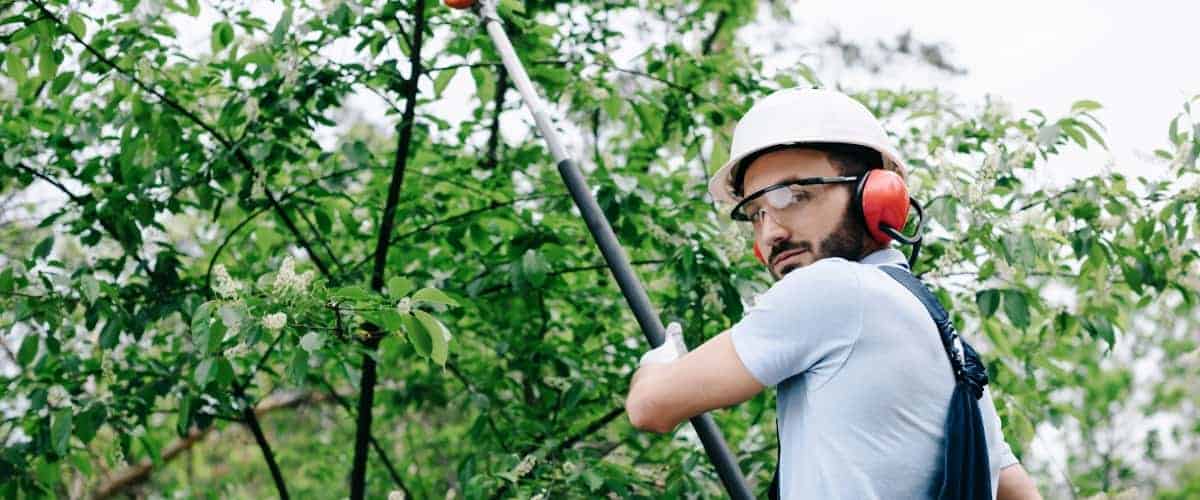
Trimming trees is common for homeowners, but what happens when your neighbor’s tree branches extend onto your property? Can you legally trim these overhanging branches in Texas? The short answer is yes, but there are a few things to consider before taking action.
First, it’s essential to understand that Texas laws do not specifically govern trimming overhanging branches from a neighbor’s yard.
However, Texas state law states that if a tree or parts fall on a neighbor’s property due to natural causes such as wind, lightning, or disease, the neighbor is responsible for removing the tree or its parts.
You are generally allowed to trim branches of a tree that extend onto your property as long as you do not damage the tree or cause harm to your neighbor’s property.
If the tree is damaged due to the branches getting trimmed with improper methods, the person who did the trimming can be held liable for any damages caused.
Therefore, hiring a professional tree company with the expertise to do the job carefully is always recommended. We will provide some helpful trimming tips below.
While there may not be specific laws in Texas regarding trimming overhanging branches, communicating with your neighbor before taking action is still considered good neighborly behavior.
This can be as simple as knocking on your neighbor’s door to discuss the overhanging branches and agreeing on how to handle them. Not only will this help prevent potential conflicts, but it also shows that you respect your neighbor’s property.
Remember that, according to Texas Law Help, you cannot make your neighbor trim the tree branches that hang onto your property. But you can trim the branches that hang onto your property up the boundary line yourself.
It’s also important to note that regulations in your area may need to be followed. For example, your local government or homeowner’s association may have specific rules regarding tree trimming.
To avoid potential issues, it’s always a good idea to check with these organizations before trimming branches.
Again, please communicate with your neighbor before you start trimming any branches; it’s essential to communicate with your neighbor and agree on what will be cut and how it will be done. This can help prevent any misunderstandings or conflicts down the road.
Hire a professional tree-trimming company if you’re not comfortable doing it yourself. They will have the knowledge and experience to trim the tree safely and correctly.
By following these tips, you can help ensure that you’re trimming your neighbor’s tree safely and responsibly without causing harm to the tree or your neighbor’s property. Always check with your local government or homeowner’s association to see if there are any specific regulations you need to follow.
In conclusion, it is legal to trim overhanging branches from a neighbor’s yard in Texas. Still, it’s essential to communicate with your neighbor, follow any regulations in your area, and not cause damage or harm to the tree or your neighbor’s property.
If you need clarification on specific regulations or have concerns, contacting your local government or homeowner’s association is always a good idea for guidance. By following these steps, you can ensure you’re being a good neighbor and taking care of your property simultaneously.
Please note: The information provided in this blog post is for informational purposes only and should not be considered legal advice. The laws and regulations regarding tree trimming can vary from state to state and even city to city.
It is always best to consult a local government official or lawyer for guidance if you have any specific questions or concerns. This blog post is based on the laws and regulations in Texas, but it may not apply to other states or jurisdictions.
If you liked this blog, check out our other tree care and maintenance articles on: