Viva Trees
Get a FREE professional tree service estimate from Viva Trees - one of the most trusted tree companies in the U.S.
OR CALL
Get a Free Estimate
Every project starts with a free tree service estimate. Enter your details to get started.

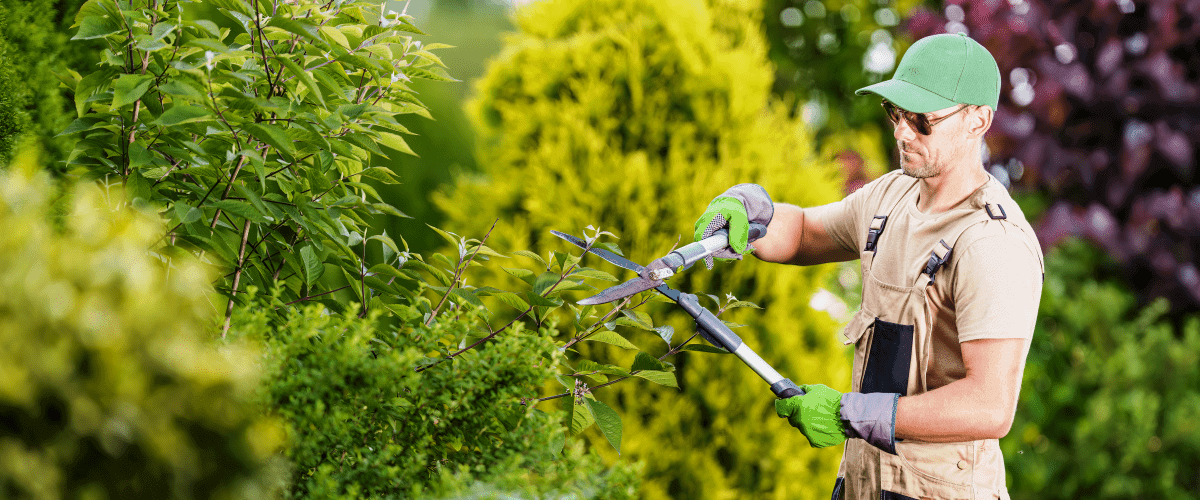
At first glance, caring for a tree may seem intimidating – but it doesn’t have to be! This guide demystifies the process by providing simple instructions that anyone can follow. It also offers helpful tips and tricks about using natural elements such as sunlight and water to our advantage when keeping our trees robust. We’ll learn which fertilizers suit different climates, how often we should prune branches, and how pruning impacts a tree’s health.
We owe so much to these majestic creatures providing oxygen, shade, and beauty. By taking time out of our busy schedules to invest in proper tree maintenance techniques, we can ensure that future generations will continue to benefit from their many gifts. Let’s start learning more about what makes trees thrive – read on for The Ultimate Guide to Tree Care & Maintenance!
| Key Takeaways |
|---|
| Importance of proper tree care and maintenance for tree health and environmental benefits. |
| Understanding the different types of trees and selecting the right one for your needs. |
| Proper tree planting techniques, including location, soil preparation, and watering. |
| Pruning and trimming as essential tree care techniques for promoting growth and aesthetics. |
| Identifying signs of disease, pests, and damage to maintain tree health. |
| Implementing proper watering and irrigation techniques for different tree types. |
| Fertilizing and providing nutrients for trees according to their species’ needs. |
| Seasonal tree care tips for year-round maintenance and protection. |
| Essential tree care tools, equipment, and safety gear for homeowners. |
| Hiring professional tree care services when necessary and choosing a reputable company. |
| Utilizing online resources for tree care information, identification, and troubleshooting. |
| The lasting impact of proper tree care on the environment and aesthetics of your property. |
Caring for trees is like tending to a garden of giants. Each tree has unique needs and preferences, requiring special attention to thrive and grow strong. Properly caring for these majestic plants is essential if you want them to reach their full potential.
It’s essential to understand the basics of tree care before getting started. Tree pruning services should be done at the right time and with the proper tools, while fertilizing services must be done carefully according to soil conditions and the type of tree. Mulching can help protect roots from extreme temperatures and keep weeds away, but it should also be applied correctly not to smother the plant or cause rot. In addition, regular inspections are necessary to spot problems early on and address them effectively before they become too serious.
Tree care isn’t just about pruning, mulching, and inspecting; it also involves providing adequate nutrition through careful watering habits and protecting against disease using appropriate insecticides when needed. With all these elements harmoniously, your trees will have everything they need to remain healthy for years.
Knowing how best to care for your trees allows you to give back – helping our environment directly by increasing carbon sequestration capacity and indirectly by beautifying our landscapes–a win-win situation benefiting us all! Let’s look at some of the key benefits of proper maintenance…
Now that you understand the basics of tree care better, it’s time to learn about the benefits of proper maintenance. Taking good care of your trees is beneficial not only for their health and longevity but also for yours as well. Caring for trees can help make your outdoor spaces more beautiful, functional, and enjoyable.
The first benefit is improved air quality. Trees absorb pollutants from the atmosphere through their leaves and bark. By keeping them healthy, they can continue to do this vital job. Additionally, trees act as natural noise barriers by absorbing sound waves in urban areas; having healthy trees around will reduce street noise levels significantly.
Another great advantage of properly maintaining your trees is increased property value! A landscape with mature, healthy-looking trees adds aesthetic appeal and makes an area much more attractive to potential buyers or renters. Not only that, but studies show that homes with lush green lawns and landscaping often sell faster than those without – so taking care of your trees could be a smart financial move!
Finally, investing in proper tree care now pays off far into the future: Healthy trees live longer and require fewer costly repairs due to disease or pest infestations. Plus, we all love enjoying the beauty provided by nature – why not take steps today toward preserving it? With these incredible benefits in mind, let’s look at different types of trees next and how best to care for them.
Trees are integral to any landscape, providing shade, beauty, and environmental benefits. With so many tree species, deciding which ones best suit your yard can be overwhelming. Here’s a breakdown of some of the most common types of trees and their care needs.
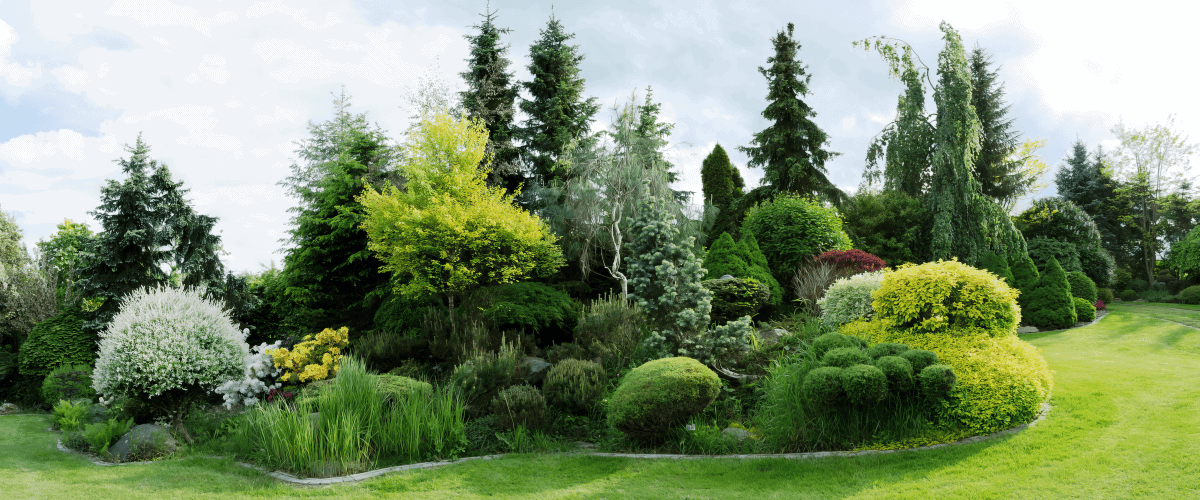
Evergreens are popular for homeowners who want to add year-round color and variety to their landscapes. These trees keep their foliage all year round and come in many shapes and sizes. Evergreens offer many colors, from towering pines to bushy shrubs, including bright greens, blues, and yellows.
To keep evergreens healthy and attractive, regular pruning is essential. Trimming helps maintain the tree’s shape and promotes new growth on lower branches. Fertilizing twice a year, in spring and fall, helps promote strong and vigorous growth.
Coniferous trees, such as spruce, pine, and fir, are evergreens that make excellent natural privacy screens or windbreaks. These trees require regular trimming services to minimize the risk of disease or insect infestations.
Fruit trees are an excellent choice for homeowners who want fresh, delicious fruit from their backyards. From apples and pears to cherries and apricots, fruit trees offer beauty and nutrition. Young fruit trees are vulnerable to pests and diseases, so proper care is crucial to ensure a bountiful harvest.

Shade trees are a great way to cool off your outdoor space during the hot summer. Popular species, such as elm, ash, and the honey locust, provide much-needed relief from the sun’s heat and create a relaxing atmosphere for outdoor activities. When planting a shade tree, select a spot with plenty of space to grow, and ensure the soil is rich in nutrients to support its growth.
Deciduous trees shed their leaves seasonally, providing a stunning display of color in the fall. These trees offer leafy canopies that provide shade during the hot summer months. Popular species include maple, oak, and birch.
Understanding the different types of trees and their care needs is essential to maintaining a healthy and beautiful landscape. Proper pruning techniques, mulching practices, and pest management strategies will help ensure healthy growth for years. With this ultimate guide to tree care and maintenance, you can choose the perfect trees for your yard and keep them healthy and vibrant.

Now that you better understand different types of trees, it’s time to start planting. Planting your tree correctly is essential for its growth and health. Here are some tips to ensure successful planting:
If you want to learn how to plant trees like a pro and optimize your tree’s growth, check out the ultimate guide to planting trees. This comprehensive article covers everything from selecting the suitable tree species for your yard to soil preparation, planting techniques, and aftercare. Check out the full article to learn how to plant trees like a pro and optimize your tree’s growth.
These tips will give your new tree a great headstart! When done correctly, these steps will help promote healthy growth and long-term success for your treescaping project. Now let’s learn about pruning and trimming basics — key elements of proper tree maintenance throughout its lifespan.
Pruning and trimming trees is an essential part of tree care. It helps keep them healthy, safe, and looking great. Here are the basics for getting started:
| When | What to Do | Why |
|---|---|---|
| In late winter or early spring | Remove deadwood, weak branches, and crossing limbs | Promote air circulation and reduce potential insect and disease problems |
| Late spring or summer | Trim back new growth on evergreens and deciduous plants | Encourage bushier growth and remove unsightly tips |
| Summer | Prune fruit trees after harvest | Remove damaged or diseased wood, improve fruit quality, and control tree size |
| Fall | Cut back branches damaged by storms or disease | Prevent further damage and maintain tree health |
| Throughout the year | Remove suckers and water sprouts | Reduce competition for nutrients and promote strong, healthy growth |
| When necessary | Thinning out dense crowns of shade trees | Reduce wind resistance and prevent limb breakage |
| When necessary | Eliminate crossed branches or overhanging limbs near buildings | Reduce the risk of property damage or personal injury |
Remember, proper pruning and trimming techniques are essential to maintaining healthy trees. When in doubt, consult a professional arborist to ensure your trees get the care they need.
Proper pruning techniques can help your trees maintain their natural shape while allowing light in and helping promote a healthier root system. Furthermore, when selecting the best option for a particular branch size, it’s essential to consider which tools you should use – such as hand saws, pole pruners, and loppers. And be sure to wear safety goggles and gloves when working with sharp blades!
Following these basic guidelines for pruning and trimming your trees, you can ensure they remain healthy and beautiful for years. With proper maintenance, your trees will continue to bring beauty into your yard or garden.
Proper pruning and trimming techniques are essential for keeping your trees healthy and looking their best. Look at the ultimate guide to tree pruning and trimming for comprehensive guidance and best practices. We cover everything you need to know, from when and how to do it to the necessary tools.
Now let’s look at how to keep your trees healthy so they can thrive.
Trees have the potential to add significant value and beauty to any landscape. To keep them looking their best, proper care and maintenance are essential. You can take several steps to ensure your trees stay healthy for years.
The first step is monitoring pests and diseases that may affect trees in your area. Regularly watch for signs of infection or infestation by inspecting leaves, bark, twigs, and soil around the tree’s base. If you spot anything suspicious, contact a certified arborist immediately so they can diagnose and treat it appropriately.
Another essential part of caring for your trees is pruning regularly. Pruning helps maintain the structural integrity of mature trees while promoting new growth and improving air circulation throughout their canopy. Use sharp tools designed explicitly for this purpose and follow all safety precautions when trimming.
These simple yet effective measures will help keep your trees healthy and robust over time. Transitioning into what’s next: Knowing how much water your trees need—and which watering techniques will give them the hydration they need—is key to keeping them healthy!
Did you know the average tree needs about 10 gallons of water daily? That can add up to over 100,000 gallons of water a year for one tree! Proper watering and irrigation techniques are essential to keep trees healthy and thriving.
Determining how much water they need is the first thing to consider when irrigating your trees. Trees in drier climates require more frequent watering than wetter ones. The best way to determine this is by testing the soil around your tree with a moisture meter or trowel. This will give you an indication as to whether or not the roots are getting enough moisture. Additionally, try digging down 12 inches into the soil near the root system; if it feels dry, your tree could use some extra water.
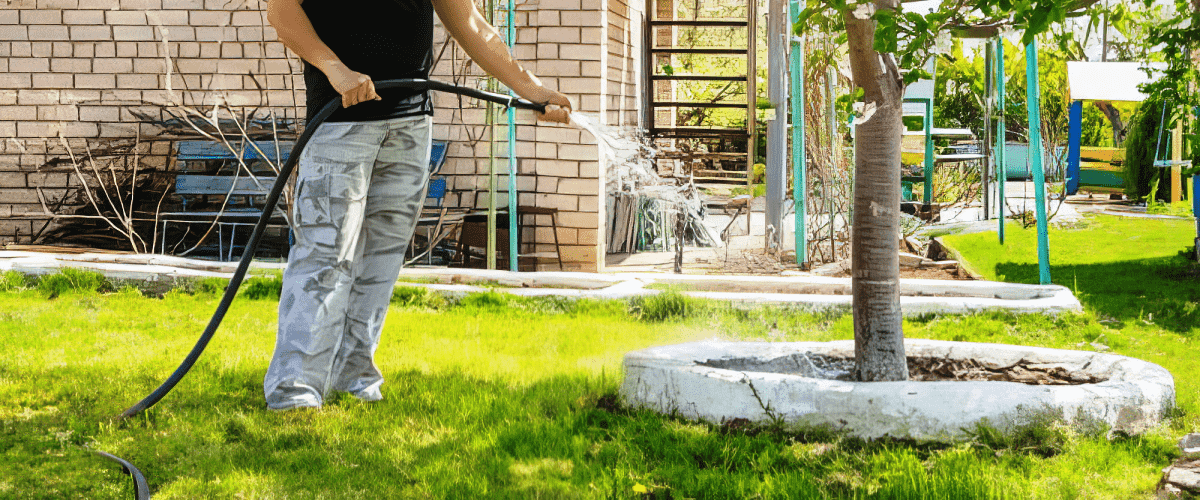
Once you have determined how much water your trees need, several methods are available to provide adequate irrigation. Watering cans and hoses are two basic options but may not be suitable for larger areas or difficult-to-reach locations on your property. Drip systems provide a steady flow of hydration directly onto the roots without wasting any excess water. If possible, look into installing an automatic sprinkler system that can help ensure that your trees get watered consistently, even when manual watering isn’t feasible.
No matter which method you choose, remember that consistency is critical! Properly timed and maintained irrigation helps promote profound root growth, leading to healthier overall plants capable of withstanding droughts and periods of extreme temperature changes better than those neglected due to lack of attention from their owners. With these tips in mind, we can now move on to understanding fertilizer requirements for our beloved green friends!
Now that we’ve covered the basics of watering and irrigation techniques, it’s time to understand fertilizer requirements. Fertilizing trees is an integral part of their overall health and well-being. Here are some key points to remember when fertilizing your tree:
Fertilizers should be applied carefully and adequately to not harm the tree or its environment. This means avoiding runoff from lawns and gardens, keeping away from streams and ponds, and being mindful of nearby plants that could be affected by fertilizer applications. Knowing how much fertilizer you need to apply is also important; too little won’t do much good, but too much will have negative consequences, as noted above.
Last but not least, always follow the directions on the product label before applying any fertilizer – doing otherwise may result in unintended consequences such as burns or even death!
Maintaining the health of your trees is crucial for their longevity and vitality. If you want to learn more about how to keep your trees healthy, check out The Ultimate Tree Health Checklist. This comprehensive guide covers everything from identifying common tree health issues to preventive measures, proper watering and fertilizing techniques, and more. Read the full article to learn about tree health and take steps to ensure your trees thrive for years.
By taking these steps, you’ll ensure your tree gets enough nutrition without any undesirable side effects. Your trees will stay healthy with proper care and attention while providing beautiful benefits year-round.
Some people think tree care is only necessary for the spring and fall when trees are most vulnerable to disease. But keeping your trees healthy year-round requires regular attention and maintenance. While it may seem overwhelming initially, caring for your trees doesn’t have to be a considerable undertaking – just a few simple tips can help you keep them healthy throughout the seasons!
Start by monitoring your trees regularly throughout the year. Check for signs of damage or disease, such as yellowing leaves, brittle branches, spots on bark, holes in leaves, or discolored needles. If you notice these symptoms early enough, treatment may be possible before they cause serious harm. And if you’re concerned about pests damaging your plants, consider using organic pest control methods like traps, barriers, and sprays instead of harsh chemical treatments.
Finally, water your trees during extended periods of drought or extreme heat. Drought stress can weaken solid and healthy trees, so providing consistent moisture will ensure their health over time. Also, take extra precautions with new plantings: young trees need special attention while establishing themselves since they’re not yet used to their environment. With proper care and maintenance throughout the year, you’ll have healthier trees that last longer and look better too!
This knowledge provides a good foundation for understanding what tools and equipment are needed for effective tree care – from pruners to sprayers – so let’s explore those next…
Now that you have all the necessary knowledge to keep your trees healthy year-round, let’s look at the tools and equipment you’ll need to care for them properly.
First on the list is an extension ladder. An extension ladder can be handy when pruning or trimming trees as it allows you to safely reach higher branches without climbing the tree. Extension ladders come in various sizes and materials, so choosing one appropriate for your needs is essential.
Next up is a pair of quality pruners or loppers. Pruning shears are great for removing dead branches from small trees, while loppers are better suited for larger ones. When purchasing either tool, make sure they have sharp blades that cleanly cut through wood without damaging the tree’s bark. It may also be helpful to invest in protective gloves and safety glasses if there is any chance of debris flying during use.
Last but certainly not least, a good saw should always be handy when working on trees. A handsaw or chainsaw will work depending on your job type; however, make sure whichever one you choose has a long enough blade length to quickly get through thicker branches without breaking apart too much wood. With these essential tools and equipment, caring for your trees becomes much more accessible! Now let’s move on to spring maintenance tips…
Spring is a great time to give your trees the attention they need. It’s the perfect opportunity to ensure they get adequate nutrition, water, and protection from pests and diseases. Here are some tips for spring tree care that will set your trees up for success throughout the year:
First, trim any dead or diseased branches before new growth begins. This ensures that unhealthy parts of the tree don’t spread disease or cause unnecessary damage. You’ll also want to prune away any crossing branches that can rub against each other and create weak spots in the trunk over time. Releasing these areas will allow more sunlight and air circulation into the center of the tree canopy, promoting healthy growth.
Next, it’s important to apply fertilizer regularly to provide essential nutrients for optimal development during its growing season. The type of fertilizer you use depends on what kind of soil your tree is planted in, so be sure to check with an expert if you’re unsure about this step. Additionally, deep-root fertilization treatments can help prevent pest infestations by providing extra nourishment directly at the roots, where insects typically feed first.
Finally, watering is key! Ensure your trees get enough moisture when rainfall isn’t sufficient but be careful not to overwater, as too much can lead to root rot and fungal infections. With proper irrigation practices and timely maintenance, you’ll have healthier trees come summertime! As temperatures rise and conditions become increasingly dry, transitioning into summer tree care procedures becomes even more critical for the health of your greenery.
Now that spring is over; it’s time to shift our focus to summer tree care procedures. Trees need special considerations during the hottest months of the year to stay healthy and protected from heat-related damage. Here are a few tips on how to keep your trees thriving throughout the summer:
The first step is proper irrigation. During hot summers, frequent watering sessions will help prevent dehydration and stress for your trees. Ensure you water at least twice a week near their roots but avoid overwatering as this can lead to rot or other diseases. Also, use mulching techniques around the base of each tree to help retain moisture between watering sessions.
Another critical factor when caring for trees in the summertime is pruning any dead or diseased branches. Prune off broken limbs before they become home to pests or cause further damage due to extreme weather conditions. This also helps promote airflow, which prevents disease and allows more light into the foliage, assisting leaves to remain strong and vibrant even under intense sunlight exposure.
Finally, fertilization should be done with caution during these months. Too much fertilizer may burn new growths, while too little could stunt its development entirely, so make sure you’re using fertilizer according to instructions provided by your local nursery or gardening center. Your trees will remain strong and beautiful throughout the summer with careful monitoring and regular maintenance!
With autumn quickly approaching, now’s an excellent time to begin preparing for autumn maintenance practices that will give your trees another layer of protection against cold temperatures.
Autumn is an essential time for tree care and maintenance. It’s the season when trees prepare themselves to survive cold weather and winter storms that may come their way. That’s why it’s essential to take proper steps to ensure your trees are ready for whatever Mother Nature throws at them.
The first step of autumn maintenance should involve inspecting your tree from top to bottom, looking for any signs of disease or damage, such as wilting leaves or insect infestations. If you find anything, contact a certified arborist who can help diagnose and treat the issue before it worsens.
Next, consider pruning your trees, so they’re better able to withstand strong winds during colder months. Prune away dead branches and foliage, but also be sure not to over-prune your trees; doing so could lead to more problems down the road!
Finally, provide some extra nutrition with mulch or fertilization if needed – this will give your tree plenty of energy reserves heading into the winter season. With these simple steps complete, you’ll have done everything possible to ensure your trees are prepared for what lies ahead – now let’s move on to winter tree protection strategies…
Now that autumn is over and the cold winter months are upon us, it’s time to start thinking about how we can protect our trees from the harsh weather. With proper tree care and maintenance in winter, your trees will stay healthy throughout the season.
There are several strategies you can use to ensure your tree’s survival during the winter months:
| Strategy | Description |
|---|---|
| Mulch | Add mulch around the roots of trees for insulation |
| Prune | Trim branches before temperatures drop too low |
| Fertilize | Apply fertilizer before the ground freezes |
Mulching helps insulate the soil surrounding a tree’s root system against extreme temperature fluctuations, while pruning removes dead or diseased limbs that could cause further damage if left unchecked.
Additionally, applying fertilizer ensures that vital nutrients remain available to the tree despite colder temperatures which may otherwise limit its access to certain trace elements. Taking these steps as late in the fall as possible is essential, so they don’t interfere with other seasonal activities like leaf raking or snow removal.
Taking all of these precautions will help keep your trees safe throughout winter – however, if you’re not sure what exactly needs doing or aren’t confident enough in your abilities to do them yourself, hiring professional help might be worth considering.
You may need professional assistance when it comes to tree care and maintenance services. Various services are available to help keep your trees healthy and beautiful. Here’s what you should know about hiring professional help for your trees:
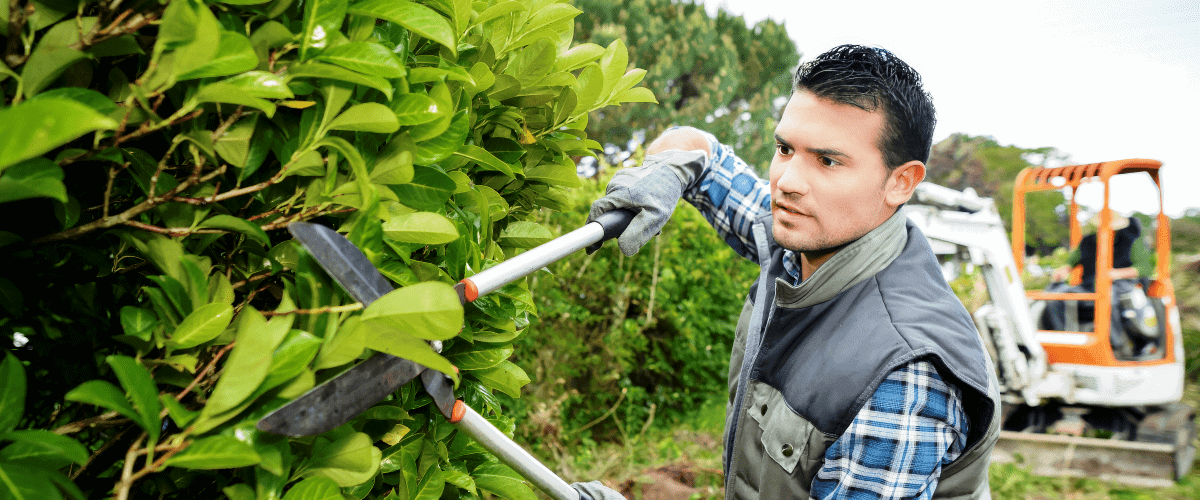
Hiring a professional tree company to help will ensure that your trees receive proper treatment and remain vital landscape members for years. When choosing an arborist or landscaping contractor, make sure their credentials match up with their expertise – ask around for referrals if possible; research online reviews; get multiple estimates; check insurance coverage, etc., so you can be confident in selecting someone trustworthy for this important job!
Pruning a tree can be essential to maintaining its health and well-being. But when is the best time to prune it? Well, that depends on several factors.
The critical thing to consider when deciding when to prune your tree is what type of species it is — each has different needs. Most trees need some trimming to maintain their shape and size, but certain types – like fruit-producing ones – require more frequent upkeep than others. Additionally, some varieties may benefit most from being pruned at specific times to thrive appropriately throughout the year, so keep this in mind too!
Planning and researching what’s best for your particular type of tree will ensure optimal results come pruning time! So don’t forget: stay informed about how and when to give your tree the care it deserves.
Have you noticed something strange about your tree lately? Is it looking sickly or losing leaves for no apparent reason? If so, it could be infested with pests! Knowing how to recognize the signs of pest problems and take steps to address them is an integral part of keeping a healthy tree.
So, how can you tell if your tree has been invaded by some unwelcome critters? First, watch for any evidence of insect activity—you may see bugs crawling around on the trunk or branches. You should also check for holes in the bark, as these are often signs that borers have made themselves at home inside the tree. Lastly, if you notice sticky sap oozing from wounds or cracks in the bark, this could mean aphids are present.
Once you’ve identified a possible pest issue, don’t panic! Many ways exist to combat unwanted insects without resorting to harsh chemicals. Pruning away diseased tree parts can help eliminate existing pests and make it harder for new ones to move in. You can also introduce beneficial predators such as ladybugs into the area – they eat their share of harmful bugs! Finally, certain homemade sprays and other natural solutions can also help.
Taking action quickly is key when dealing with potential pest issues – but being informed is just as crucial. Learning more about identifying common pests and recognizing their symptoms will go a long way toward helping keep your trees safe and sound for years to come!
When it comes to trees, some require extra care. As a homeowner or landscaper, you will want to know the types of trees that need special attention and how to provide them. We can take this journey together as we explore the basics of tree maintenance.
It may come as no surprise that certain species are more susceptible than others when it comes to pests and diseases. For instance, pine trees attract insects like aphids or borers, which could cause damage if left untreated.
Additionally, flowering trees such as cherry blossoms are prone to fungus-like powdery mildew, which can ruin their showy blooms. Knowing the type of tree in your yard can help you avoid any potential problems before they become too costly or time-consuming to fix.
Fortunately, you can ensure your tree remains healthy and vibrant in several ways.
First, regular pruning will keep branches from becoming overgrown and weak while promoting new growth throughout the season.
Second, proper fertilization with organic materials will help replenish essential nutrients for optimal health and growth. Finally, watering during dry periods will prevent stress on the roots due to dehydration. These steps can save money by keeping your tree healthier and longer!
No matter what kind of tree you have in your landscape – whether an evergreen or a deciduous variety – investing in routine maintenance will go a long way toward preserving its beauty and longevity for years. Properly caring for your trees ensures their well-being and yours, too – providing shade on hot days and enhancing curb appeal all year round!
Caring for trees can be daunting, but it doesn’t have to be. Proper planning and the right tools are essential for successful tree maintenance. So what specific tools do you need?
There’s no single answer to this question since different types of trees require different equipment and supplies. Here’s a list of some essential items that will help you care for your trees:
In addition to having the appropriate tools, it’s also essential to understand basic tree care principles, such as proper pruning techniques and how much water is needed. Knowing which type of fertilizer to use based on the tree species can significantly affect its health and longevity. Lastly, scheduling regular inspections by an arborist is one way to ensure your trees remain in good condition over time.
Overall, taking good care of your trees requires knowledge about their needs plus dedication — but with the right resources, it’s certainly possible! With just a few simple steps outlined above, you’ll be well on your way toward becoming an expert in tree care and maintenance in no time.
Fertilizing your trees is like giving them a vitamin supplement; it’s an essential part of their care regimen. It can be easy to overlook, but it’s essential for keeping them healthy and strong. So how often do you need to fertilize your trees?
The frequency with which you should fertilize depends on the type of tree and its age. Young saplings will require more frequent fertilizer applications than mature trees, as they rely heavily on nutrients to grow properly.
Regularly applying fertilizer ensures the soil has enough nutrients to support the tree’s growth throughout the year. Likewise, if already established, mature trees may only need one or two applications per season.
Regarding timing, most experts recommend fertilizing at least twice a year – once during spring when new growth starts appearing and again during early fall before leaves drop off for winter. If your particular species requires more frequent application, then adjust accordingly.
Additionally, make sure to choose a fertilizer specifically designed for trees so that you don’t inadvertently harm them by using something too powerful or otherwise unsuitable for use outdoors!
No matter what kind of tree you have or how old it is, taking time each season to apply some extra nourishment goes a long way toward sustaining its health over the years. Fertilizer helps ensure that your trees continue growing strong and remain vibrant fixtures in your landscape for many years.
Tree care and maintenance is an essential parts of keeping our environment healthy. Pruning should be done during the winter months when a tree’s growth has slowed down; this allows for better control over the shape that it takes on. It’s also essential to check your trees regularly for signs of infestation or disease. Some species may require more specialized care than others, so ensure you know how best to take care of them before beginning any project.
Lastly, never forget about fertilizing your trees! Without proper nutrition, they won’t thrive as they should. For example, my friend recently planted some cherry blossom trees in her backyard, and she’s been diligent with fertilization since day one. Already, those saplings look so much healthier than before! Proper fertilizer helps keep pests at bay and will help ensure your trees remain strong and vibrant for years.
Taking good care of your trees can initially seem intimidating, but once you get into a routine, it’ll become second nature. Don’t be afraid to ask for advice from other gardeners or even professional arborists if needed. You can create an outdoor oasis full of beautiful plants and lush greenery with patience and dedication!