Viva Trees
Get a FREE professional tree service estimate from Viva Trees - one of the most trusted tree companies in the U.S.
OR CALL
Get a Free Estimate
Every project starts with a free tree service estimate. Enter your details to get started.


First, it’s essential to understand that proper tree care requires time and effort. With regular pruning and mulching and occasional watering during dry spells, you can help ensure that any tree on your property stays solid and vibrant. In addition, periodic inspections are necessary to detect any potential problems early on before they become more significant issues later.
Finally, keeping up with preventative maintenance such as pest management or root fertilization can go a long way in preserving a tree’s health over time. By following our checklist carefully, you’ll have everything you need to ensure every one of your trees receives the best possible attention – allowing them to thrive and bring joy into your life for many years ahead!
| Key Takeaways |
|---|
| – Know healthy tree characteristics and identify signs of poor health early. |
| – Proper watering and nutrition are essential for tree health, with different types needing specific care. |
| – Early detection and prevention can avoid pest and disease damage. |
| – Extreme weather or environmental stress needs proper tree care. |
| – Regular maintenance like pruning and mulching promotes health and prevents issues. |
| – Proper pruning and mulch use improve tree structure, health, and soil moisture. |
| – Proper maintenance increases a tree’s lifespan and prevents damage. |
| – Proper care and protection support saplings to grow into healthy trees. |
Trees symbolize life and growth, standing tall with the power to reach the sky. They can provide us with shade and oxygen while helping regulate our climate. Caring for these majestic beings ensures they stay healthy and vibrant. Knowing how to recognize if a tree is in good shape or needs help will be vital in keeping your trees strong and long-lasting. Let’s look at what it takes to keep your trees thriving!
When it comes to performing tree and plant health services, there are several factors you should consider, such as pruning dead branches, fertilizing soil, avoiding construction damage, controlling pests and diseases, providing adequate water supply, etc.
To ensure proper maintenance of your tree’s health, regular inspection by certified arborists may also be necessary. This will help you identify any potential issues before they become too serious. With the proper care and attention, you can ensure your trees remain healthy and beautiful for years!
Now that we have discussed the basics of tree health, let’s move on to recognizing when a tree is either healthy or unhealthy.
Healthy trees are solid and vibrant, but how do you know if a tree is healthy? Fortunately, some telltale signs can help you determine the health of your trees.
First, take a look at the leaves. Healthy trees have well-formed and evenly distributed foliage. If they’re wilting or discolored, this could indicate an unhealthy tree. Additionally, check to see if there’s any dead wood present on the branches. Dead wood should be pruned away as soon as possible to ensure optimal growth for your tree.
Another sign of a healthy tree is its bark. The bark should appear smooth and uniform with no cracking or splitting along its surface. Also, keep an eye out for mushrooms growing around the base of the trunk – these indicate poor drainage, which can damage the roots over time.
You can also assess a tree’s overall structure by examining its canopy shape: it should be symmetrical with even branching throughout; any branch dieback or asymmetry may mean something is wrong with the tree. Here are four key indicators to watch for when determining whether a tree is healthy or not:
By watching for these clues, you’ll recognize whether your trees need attention so that you can adequately care for them immediately! Knowing what to look for will help ensure that your trees remain strong and vibrant year after year. Next, we’ll discuss how to water and feed your trees for optimal health.
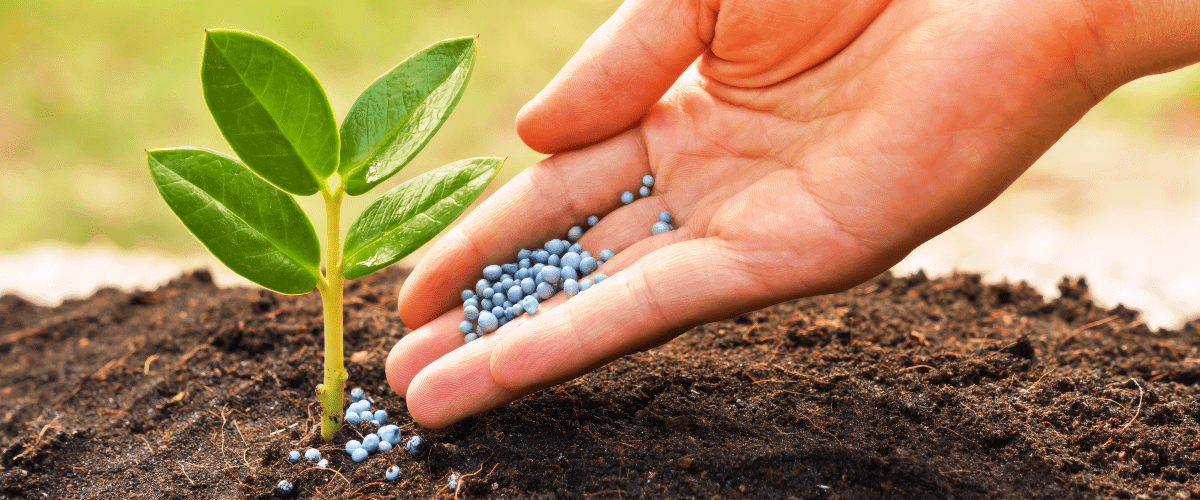
Nourishment is essential for trees to stay strong and vibrant. Providing adequate water and nutrients will help them reach their full potential and flourish in any season.
Proper watering is the first step to providing your tree with the nourishment it needs. Trees should be watered deeply but not too often, once a week or every two weeks, depending on the time of year and soil type. When supplying your tree with water, use clean, uncontaminated sources such as rainwater or filtered tap water rather than well or lake water, which may contain contaminants that can harm your tree’s health.
Also, avoid overwatering – this can cause root rot, fungal diseases, and other issues. Watering isn’t enough, though – just like humans need food to thrive, so do trees! Fertilizing your trees twice a year (once in early spring and then again during summer) will give them the boost they need to survive throughout the seasons.
Select an organic fertilizer designed explicitly for trees when feeding – never use nitrogen-heavy fertilizers, which can damage roots over time. After applying fertilizer around the base of each tree, gently rake away any excess material so that it does not accumulate near trunks or crowns where it could potentially burn foliage or attract pests.
Now that we’ve covered how to water and feed our beloved trees properly let’s look at another vital aspect of their care: providing seasonal maintenance.
Now that you know how to water and feed your trees properly, it’s time to turn our attention to seasonal care. This is an essential part of keeping your trees strong and vibrant year-round.
Fall is ideal for pruning back dead branches or limbs on evergreen trees. Pruning helps promote healthy growth in the following spring. It can also help keep pests from entering weak spots in a tree’s bark during cold winter. If you live in an area with frost, cover any patches of exposed wood with protective paint or paste before leaves begin to fall off the tree.
Winter brings its own set of challenges when it comes to caring for your trees. Wrapping them with burlap may protect against snow and ice damage, especially if they are young saplings or have thin trunks. Mulching around the base will insulate roots and prevent freezing temperatures from damaging their delicate systems. Applying fertilizer at this time can also help strengthen root systems as they prepare for new growth come springtime.
These simple steps taken throughout each season will ensure that your trees remain strong and healthy all year long – setting them up for success in preventing and controlling tree diseases and pests down the road.
As the saying goes, an ounce of prevention is worth a pound of cure. Keeping your trees free from disease and pests is essential to their health and longevity. You can take several steps to ensure your trees remain healthy and vibrant for years.
The first step is understanding how tree disease and insect treatment services can be used to identify potential problems early on. Early detection allows you to address the issue before it becomes too severe or widespread. Inspecting your trees regularly will help you spot any signs of infestation or infection sooner rather than later.
| Action | Specific Tasks |
|---|---|
| Identify Problem | Early detection to address issues before they become severe or widespread. |
| Regularly Inspect Trees | Regularly inspect trees to spot any signs of infestation or infection. |
| Monitor Soil Conditions | Test the soil’s pH level around the base of each tree periodically to reveal nutrient deficiencies or issues. |
In addition to inspecting your trees, monitoring soil conditions is essential for keeping them healthy. Test the soil’s pH level around the base of each tree periodically, as this can reveal nutrient deficiencies or other issues that could lead to disease or pest infestations.
Finally, use pesticides sparingly if necessary and prune away dead branches promptly, so pests don’t have easy access to your trees’ bark or foliage. Taking these simple precautions will go a long way toward ensuring optimal tree health over time. Proper care will ensure your trees stay strong and vibrant for many years!
Having taken preventive measures, now comes the task of nourishing our beloved trees with timely soil nutrition for thriving growth…
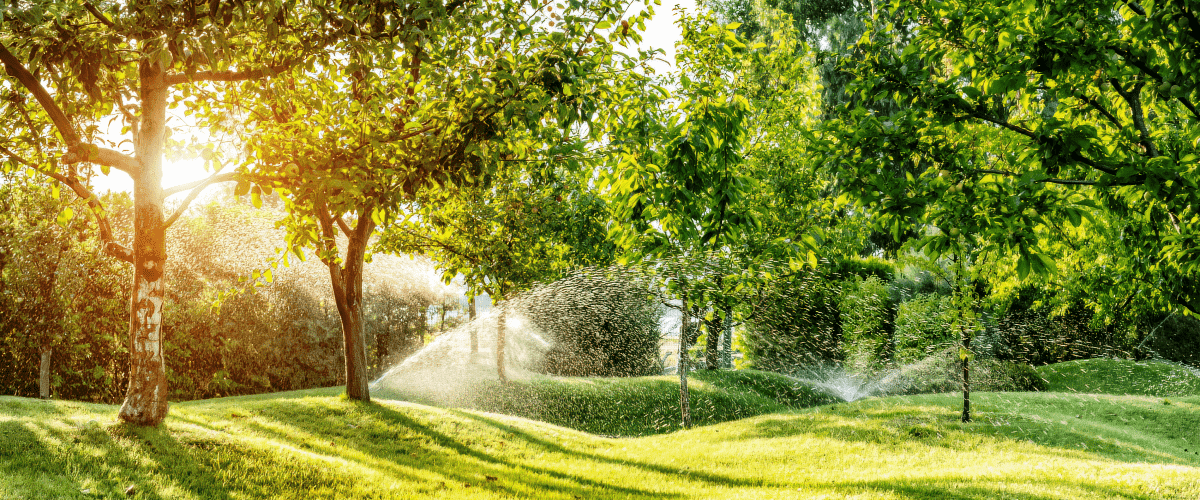
Now that we have discussed preventing and controlling tree diseases and pests, giving thought to soil and nutrition for our trees is also essential. Trees rely on various nutrients from the soil in which they live to remain strong and vibrant. They become vulnerable to disease, pest infestation, and death without proper nourishment. Knowing how to provide your trees with essential nutrients can help ensure their health over time.
The first step in providing essential nutrients for your trees is understanding what type of soil you are dealing with. Different soils require different approaches to fertilization; if you’re unsure, contact an arborist or local extension service for advice specific to your area.
In general, however, all types of soil benefit from adding organic matter, such as compost or leaf litter, at least once per year. This helps improve drainage while replenishing valuable minerals like nitrogen and phosphorus often lacking in poor-quality soils.
In addition to this annual top-dressing of organic material, trees may need additional supplementation depending on their location and environmental conditions. Many homeowners opt for liquid fertilizer treatments applied directly onto the roots or foliage throughout the growing season as needed. If you’re unsure which approach is best for your situation, consult an arborist or other expert who can advise you accordingly.
By taking these steps to properly nourish our trees by feeding them appropriate levels of critical minerals via suitable mediums, we will be well on our way toward maintaining healthy and thriving plants now and into the future! Onward then towards caring for different types of trees…
Trees are essential to our lives, providing shade and oxygen to the environment. But like any living thing, they need your help to stay healthy and vibrant. To ensure that your trees remain strong, knowing how to care for them correctly according to their type is essential. Here are a few tips:
Caring for different kinds of trees may vary slightly depending on what kind of tree you have. However, following these guidelines will give you peace of mind knowing that your trees are getting all the nutrients they need while being protected from damage caused by harsh elements or pests. By understanding how best to take care of each tree species, we can protect our natural environment so that future generations will enjoy its beauty as we do today.
By considering special considerations during certain conditions, such as drought or excessive heat waves, you can keep your beloved trees better and thrive for many years!
With the proper care, trees can live for hundreds of years. To keep them healthy and vibrant throughout their lifespan, it’s essential to consider specific considerations during certain conditions. As they say, an ounce of prevention is worth a pound of cure; taking the time now to ensure your tree is in good health will pay off down the road.
First up on our list are winter considerations. Temperatures drop drastically during this season and can cause damage if not appropriately monitored. Ensure you have enough insulation around the base of your tree when temperatures dip below freezing point; wrapping burlap or plastic around its trunk is also helpful. Additionally, watch out for snow accumulation—it should be cleared away from branches as soon as possible so that heavy snow doesn’t break limbs or cause structural damage.
The hot summer poses challenges, too – excessive heat can lead to dehydration if left unchecked. Water deeply once a week to provide adequate moisture levels, and use a mulch to retain water (make sure there isn’t too much mulch piled up against the trunk). Also, consider pruning any deadwood before extreme weather arrives, as damaged branches may weaken after exposure to harsh elements like wind and rain.
| Summer | Winter | Autumn/Spring |
|---|---|---|
| Dehydration Prevention | Insulation Provision | Prune Deadwood |
| Mulching Around Tree Trunk | Clear Snow Accumulation | Regularly Check For Diseases & Pests |
| Monitor Temperature Levels | Wrap Burlap Or Plastic Around the Trunk | Fertilization & Soil Testing |
It’s important to stay proactive with monitoring the health of your trees year-round, no matter what part of the country you’re in. This includes regularly checking for diseases and pests, fertilizing soil according to your region’s needs, and testing pH balance every few years. These extra steps will ensure your trees remain strong and resilient through all weather! With proper maintenance and cultural practices, you’ll set yourself up for success now and in years.
It’s essential to keep your trees healthy and vibrant. To do so, you need a strong foundation of tree maintenance practices. These include proper planting techniques, fertilization, pruning, and mulching.
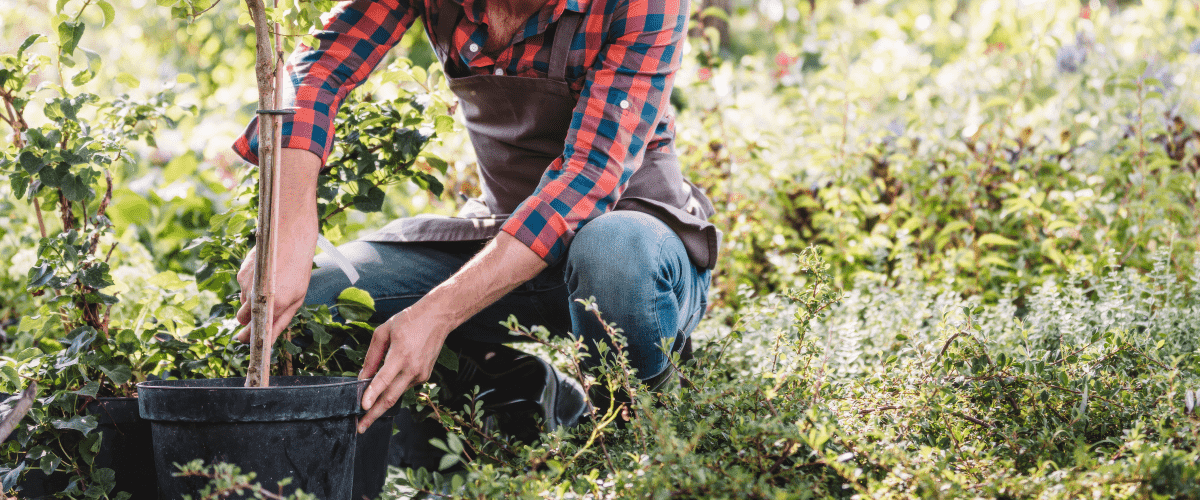
When planting a new tree or transplanting an existing one, it’s crucial to dig the right size hole for the root ball. Make sure not to plant too deep; The root flare should be exposed at the soil level. Quality soil is also essential when backfilling the hole around the roots. Compacted soils can lead to poor drainage, which can cause problems down the road.
Fertilizing is key in providing essential macronutrients such as nitrogen and phosphorus that will help promote vigorous growth and the overall health of your trees. Mulch helps retain moisture and prevents weeds from growing near your trees’ base while helping give them a nutrient boost over time as it breaks down into compost.
Pruning is necessary for removing dead branches and encouraging dense foliage throughout the canopy area – but don’t overdo it! Knowing what type of pruning technique should be used on different species of trees is vital for achieving desired results without causing harm or stress to your plants.
Tree maintenance and cultural practices are fundamental to keeping trees healthy and thriving long-term. With these practices in place, you’ll have taken an essential step toward identifying signs of stress in your trees now and in the future.
Now that you have the essential maintenance and cultural practices for keeping your trees strong and vibrant, it’s time to look out for signs of stress in them. Identifying signs of distress early on will help protect your trees from further damage or death. Here are some common indicators of tree stress:
Leaf color can tell us a lot about the condition of our trees. If leaves are discolored, wilted, or yellowing, this could indicate a nutrient deficiency or other issue. Branches may also be drooping as an indication of too little water. In addition to leaf discoloration, check for insect infestation or disease symptoms such as spots on leaves, oozing sap, or abnormal growths. Pay close attention to where there is new construction nearby; soil compaction due to heavy machinery can reduce oxygen levels and limit root development which causes stunted growth in plants.
Tree bark should be inspected regularly as well. Look for cracks, holes, or raised bumps on the surface, as these can signal potential problems with your tree’s health. Bark splitting may occur when temperatures fluctuate drastically between day and night, while fungi might cause patches on the trunk that appear dark and slimy with sunken areas around them. Lastly, watch for any odd mushrooms growing at its base – they could spread quickly if left untreated!
It’s essential to monitor closely all these signals so you can act fast if something isn’t right with your tree – after all, prevention is better than cure! With proper care and attention, you’ll be able to maintain healthy trees that last longer and provide more benefits over time. Next, we’ll discuss pruning techniques for your trees, so stay tuned!
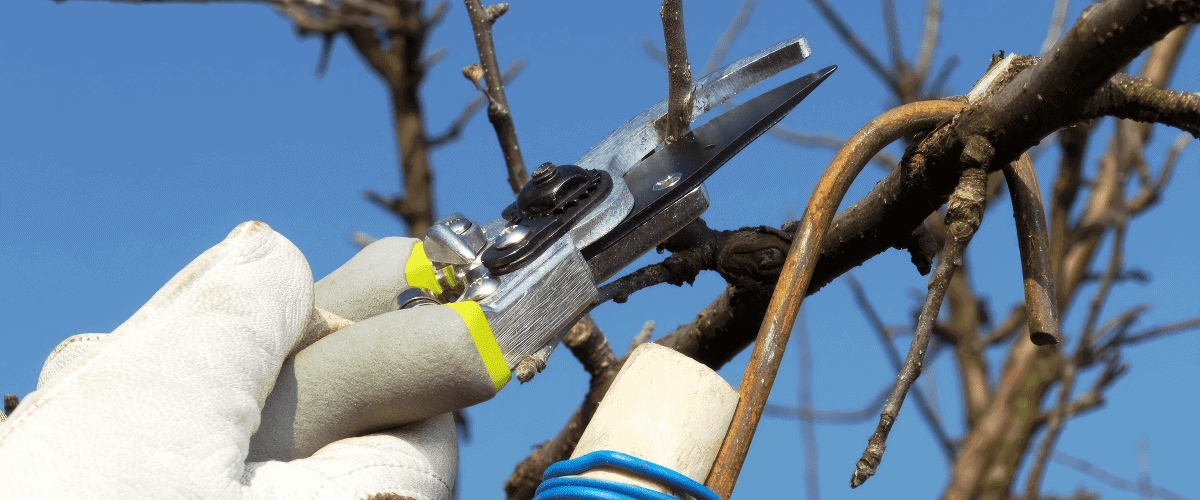
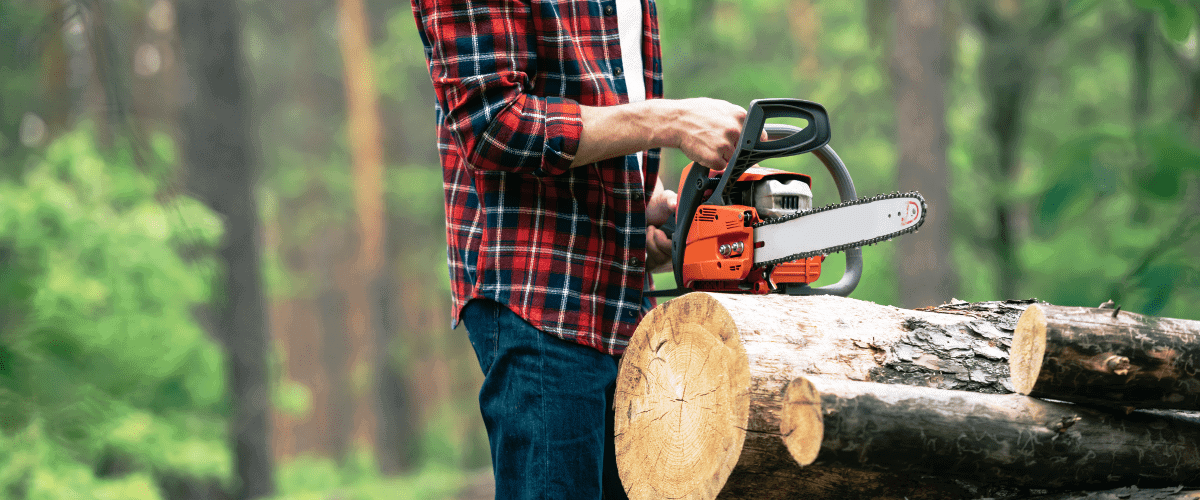
Pruning is like giving your trees a much-needed haircut – an opportunity to shape and groom them into their best versions. To keep your trees healthy, you’ll want to prune away dead or damaged branches and any that may crowd others. You can also use selective pruning techniques such as canopy reduction or thinning out sections to help manage size and structure.
Regarding timing, winter is generally considered the ideal season for pruning most species – however, there are exceptions. Pay attention to when flowers bloom on each tree before deciding whether they need trimming. It’s important not to overdo it either; don’t remove too many branches at once, or you risk shock and weakened growth afterward.
You should always aim for clean cuts with sharp tools so that healing occurs quickly after pruning. Avoid leaving stubs behind by cutting just beyond the branch collar (the swollen area where the twig attaches) instead of directly above it. With this in mind, remember that proper pruning takes patience and practice – but done correctly, its rewards will be seen every time you look up at your healthy tree! Ready to learn about understanding the role of mulch in tree growth? Let’s go!
Mulch is an essential part of tree health. It helps trees retain moisture, stop weeds from growing, and protect roots from extreme temperatures. Applying mulch correctly can significantly benefit your trees’ strength and vibrancy.
When applying mulch around a tree, you must ensure it’s not mounded too high against the trunk. A good rule of thumb is to keep it no more than two or three inches deep but spread several feet in diameter around the tree’s base. This will help ensure proper drainage and prevent pests from nesting too close to the root system.
Additionally, don’t forget about replenishing your mulch every year or so! As organic material breaks down over time, fresh mulch must be added for optimal results. Replacing old mulch with new will also give your trees a nice boost in nutrients essential for healthy growth and development.
Properly maintaining your trees cannot be understated; regular mulch application is just one way to do this effectively! With correct implementation and maintenance, you’ll reap the rewards of lush foliage and strong branches year-round.
Now that you understand the role of mulch in tree growth, it’s time to look at how properly maintaining your trees can be beneficial. Proper maintenance is essential for keeping your trees strong and vibrant—not only now but also into the future.
The first benefit of proper maintenance is the prevention of disease and pest infestations. When a tree’s health is compromised by disease or pests, it may require expensive treatment or removal if not caught early enough. By taking proactive steps such as pruning regularly and monitoring for signs of distress, you can help keep your trees healthy before any issues arise. Additionally, providing adequate water and soil nutrients will ensure they have everything they need to thrive.
Another benefit of properly maintaining your trees is improved safety. Diseased branches are more likely to break off unexpectedly during storms or high winds, which could lead to damage or injury on your property. Pruning dead or weak limbs helps reduce this risk while improving air circulation around the tree, enhancing overall health. In addition, removing low-hanging branches can improve visibility when driving near them, helping to avoid accidents.
Finally, well-maintained trees add aesthetic value to any landscape with their lush foliage and unique shapes and sizes. This creates an inviting environment where people can relax and enjoy nature’s beauty from their own backyard. It also increases curb appeal, boosting home values if you sell later.
Taking care of your trees requires commitment but is worth the effort in terms of aesthetics and practicality. From preventing disease outbreaks to creating a safer environment, there are numerous advantages associated with regular tree maintenance—allowing you to enjoy their many benefits for years to come! With these tips in mind, let’s move on to some key strategies for protecting young saplings from damage so they can flourish over time.
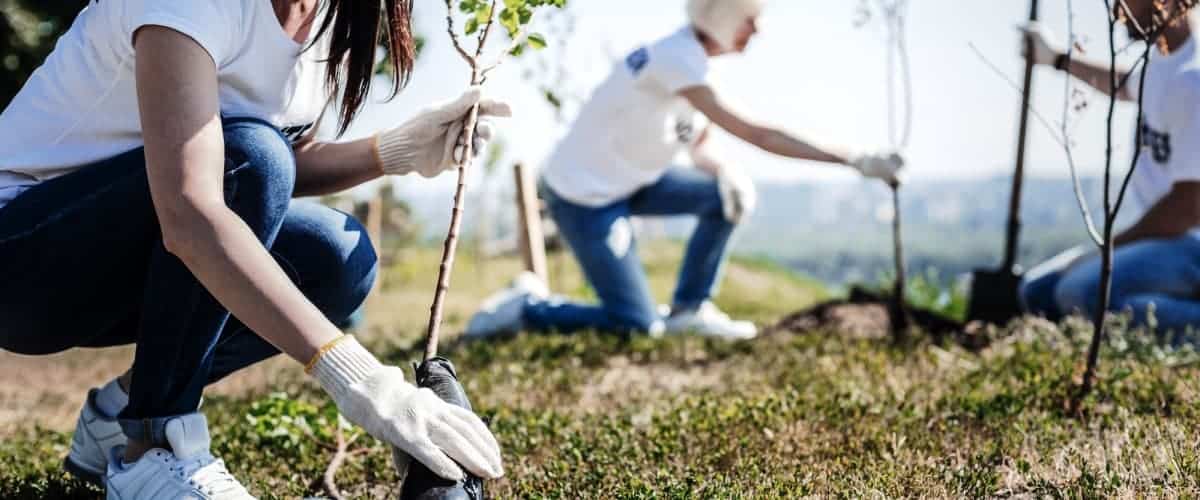
Protecting young saplings from damage is an essential part of ensuring their health and making sure they thrive. Here are some tips to keep your new trees safe:
First, use the correct type of soil when planting a tree. It should be nutrient-rich and well-draining, so water doesn’t get stuck in the roots. You may also need to add fertilizer or compost if the soil isn’t up to par. Additionally, make sure not to plant too close together; give each sapling enough space for its root system to develop without being crowded out by other plants.
Second, consider any nearby construction work or activities that could harm your newly planted tree. If you see workers digging around it or heavy machinery driving over it, speak up! Ensure all involved parties understand the importance of protecting these fragile baby trees and correctly caring for them.
Finally, provide extra protection against pests like deer or rabbits, who might try to munch on your tree’s leaves and bark before it can grow strong enough to resist them naturally. Fencing off the area with chicken wire can help keep animals away while allowing plenty of sun and air circulation for optimal growth. No matter what steps you take, keeping an eye on your young saplings will go a long way toward helping them stay healthy and vibrant for years to come!
Winter is the perfect time to have your trees assessed for any issues. Our guide on having your trees assessed this winter covers everything you need to know about winter tree care, including how to identify common problems and what steps to take to protect your trees during the colder months.
Spring is critical for tree health, and proper fertilization ensures trees thrive. Our guide on the importance of spring fertilization covers everything you need to know about fertilizing your trees in the spring, including the best fertilizers to use and when to apply them.
Spring is a time of renewal, and your trees are no exception. Our guide on helping our trees thrive this spring covers the best practices for spring tree care, including pruning, fertilization, and pest control. Don’t miss out on these essential tips for keeping your trees healthy and beautiful.
Oak wilt is a deadly disease that can quickly kill your trees if left untreated. Our guide on understanding and preventing oak wilt covers everything you need to know about this devastating disease, including how to identify it and what steps to take to prevent its spread.
Crepe myrtle trees are a popular landscaping choice, but they can be susceptible to various issues. Our guide on top crepe myrtle tree issues covers the most common problems that affect these beautiful trees, including pests, diseases, and improper pruning.
Planting trees on your property is a great way to improve its value and aesthetics, but it’s essential to do it right. Our guide on planting trees on your property covers everything you need to know about choosing suitable trees, preparing the soil, and planting them correctly.
Spotting a sick tree early can mean the difference between saving it and losing it. Our guide on how to tell if your tree is sick covers the signs of typical tree diseases and pests and other indicators of poor tree health.
When it comes to tree care, finding a trusted service provider is essential. Our guide on finding the right tree service provider covers everything you need to know about choosing the right professional for the job, including what to look for in a tree service company and how to ensure they are appropriately licensed and insured. With our guide, you can make an informed decision and find the right tree care provider to keep your trees healthy and beautiful.
Preventing tree diseases and pests can be challenging, but there are some steps you can take to make sure your trees stay healthy. Ensuring your trees stay in top condition is integral to keeping them strong and vibrant for years.
First off, proper watering is essential for preventing disease and pest infestations. Trees need a steady water supply during their growing season, so check regularly to ensure they’re getting enough hydration. Additionally, avoid over-watering as this can lead to rot or fungal growths on the roots, which could cause severe damage.
Good pruning practices also play a significant role in protecting your trees from harm. Remove any dead or diseased branches immediately, and look for signs of bug infestation, such as holes in leaves or bark discoloration. It’s also essential to use caution with sharp tools when pruning; always wear protective gear while trimming and follow manufacturer guidelines whenever possible.
Finally, regular inspections should form part of your tree maintenance routine. Visually assess each one at least once a year, looking for any signs of distress like wilting leaves or abnormal growth patterns – these may indicate underlying health issues that require attention before they become more severe problems down the road. With these simple tips, you’ll have everything covered when caring for your beloved trees!
Watering and feeding your trees is like nurturing a child. It’s necessary for their growth and critical to ensuring they stay healthy and vibrant. Trees are living organisms that require regular care to thrive—and the amount of water and nutrients needed depends on the type of tree you have.
The frequency with which you should water and feed your trees will vary depending on the season, temperature, soil quality, location, age of the tree, and other factors. Newly planted trees need more frequent watering than established ones; however, they all benefit from supplemental irrigation during drought or extreme heat. Based on its results, tree soil and tissue testing services can help identify if nutrient deficiencies exist and what fertilizer to apply.
Overall, it’s best to develop an ongoing maintenance plan tailored to your specific circumstances: check moisture levels regularly (at least once a week) by digging into the dirt at the root level; use mulch around the base of each tree to help conserve moisture; fertilize as needed; prune branches correctly when required; provide shelter from strong winds; monitor for pests and diseases; remove weeds near their trunks… These simple steps will keep your trees thriving year after year.
Taking good care of your trees is no small task – but doing so ensures that future generations can enjoy them too. Regularly monitoring their health provides peace of mind knowing you’ve done everything possible to ensure they remain lush green sentinels standing tall in any landscape.
It can be challenging to tell if a tree is stressed, but there are some warning signs that you should look out for. Here are the most critical ways to spot a distressed tree:
These symptoms may signify that your trees have been damaged by pests, diseases, mechanical injury, or environmental conditions such as drought. If you notice any of these issues, it’s time to take action. Pruning dead branches and applying fertilizer are effective measures to help reduce tree stress. Additionally, providing regular water and mulch can make an enormous difference in keeping them healthy and vibrant.
At times, however, even the best care isn’t enough. When this happens, it may be necessary to consult an arborist who can assess the overall health of your tree(s). An arborist has specialized knowledge about how to diagnose problems with trees and will offer recommendations for treatment options, including pruning techniques or fertilization plans tailored specifically to your trees’ needs. They can also advise when to transplant or remove a tree that cannot be saved due to its poor condition.
Taking good care of your trees is essential for their longevity. Monitoring them regularly – including checking for signs of distress – ensures they remain strong and vibrant for years to come!
It’s essential to keep our trees healthy and strong – not only for the beauty they add to our landscapes but also for their natural benefits. Did you know that one tree can provide enough oxygen for up to four people? That’s why ensuring your soil and nutrition are correct for your trees is essential.
The key elements of optimal soil health include proper pH balance, adequate moisture levels, nutrient-rich organic matter, and a balanced drainage system. It’s also essential to ensure that the right fertilizer is used at the right time to minimize the risk of overfertilization or pests.
Here are some tips on how you can ensure your soil and nutrition is correct:
By taking these simple steps, you can rest assured knowing that you’re helping create a sustainable environment for your trees – contributing positively now and into the future.
Pruning is an essential part of keeping your trees strong and vibrant. Pruning techniques can vary depending on your tree type, but some general tips apply to most types. For starters, it’s best to prune when a tree is dormant – usually during late winter or early spring. Not only does this minimize injury and disease to the tree, but it also reduces stress from the process itself.
When pruning, make sure you take into account the size and shape of your particular species of tree. Start by removing any dead or diseased branches first; then trim away any crossing or rubbing branches that could cause damage if left unchecked.
Be careful not to remove too much in one go, leading to unbalanced growth and affecting the tree’s overall health. Also, be mindful of where you cut – try to make cuts close enough to a node so that new buds can form quickly after pruning. It’s always better to err on caution with more considerable branch removal – don’t be afraid to consult a professional for more complex jobs!
Finally, remember that proper pruning helps ensure optimal growth for your trees. While cutting back certain limbs may seem daunting initially, taking care of your trees through regular maintenance will pay dividends in their longevity and beauty over time. With these simple steps in mind, you’ll be well on your way toward having healthy, lush trees all year round!
The tree symbolizes strength and resilience, withstanding all weather conditions while providing shade and beauty. Taking care of our trees helps ensure they stay strong and vibrant for years. By following the ultimate tree health checklist, we can ensure our trees remain healthy and robust.
It’s important to remember that proper watering and feeding are essential in keeping your trees disease-free. Additionally, regular pruning should be done to keep them looking their best. Lastly, monitoring soil nutrition is essential so your tree has everything it needs for optimal health.
Ultimately, taking good care of our trees is essential if we want them to thrive over time. By following this tree health checklist, I’m confident you’ll have beautiful and healthy trees for many years!