Viva Trees
Get a FREE professional tree service estimate from Viva Trees - one of the most trusted tree companies in the U.S.
OR CALL
Get a Free Estimate
Every project starts with a free tree service estimate. Enter your details to get started.

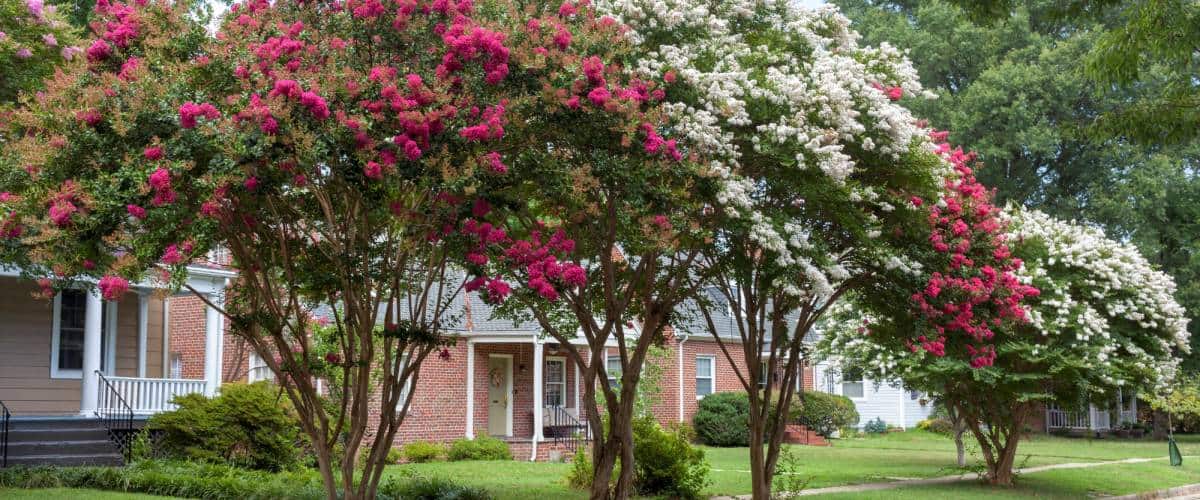
In Texas, crepe myrtle trees, commonly called the “lilac of the South,” are beautiful additions to any outdoor space. They are known for their brilliant colors in the summer, and some bloom in the winter.
Unfortunately, these trees are not immune to issues, and being aware of the most common problems and knowing how to care for them is critical to keeping them healthy and beautiful.
This Viva Tips Article will discuss the top crepe or crape myrtle tree issues and some treatment methods to help keep them healthy. We will cover the most common problems, such as disease, insect pests, and weather damage. We’ll also discuss ways to fix each issue, like pruning, spacing, and fungicide treatments.
Also, we will talk about how important it is to take care of crepe myrtles properly and what needs to be done for a healthy tree.
By the end of this Viva Tips article, you should better understand crepe myrtle tree issues and how to treat them effectively to enjoy a lovely, healthy tree.
If you’re reading this article, you probably know what a crepe myrtle is, but we will provide a thorough description.
Crape myrtle (Lagerstroemia indica) is a flowering tree native to China, Japan, and Korea and grown in many parts of the United States, including Texas.
It is known for its beautiful flowers, which appear in various colors, including white, pink, red, purple, and lavender. Crape myrtle is also known for its attractive bark, which exfoliates (peels away) to reveal gorgeous shades of pink, orange, and red underneath.
There are many reasons why crape myrtle is a famous landscaping tree in Texas. One reason is that it is well-suited to Texas’s hot, dry climate.
Crape myrtle is drought-tolerant and does not require a lot of water to thrive. It is also relatively resistant to pests and diseases, making it a low-maintenance choice for gardeners.
Another reason why crape myrtle is popular in Texas is that it provides a lot of visual interest throughout the year. In the summer, crape myrtle is covered in clusters of colorful flowers that attract butterflies and hummingbirds.
In the fall, the leaves turn a beautiful shade of orange or red before falling off the tree. And in the winter, the tree’s exfoliating bark becomes more prominent, adding texture and interest to the landscape.
Crape myrtle is a versatile and attractive tree well-suited to Texas’s climate and growing conditions. It is a popular choice for landscaping in many parts of the state. It can be grown as a single plant or in groups to make a stunning visual effect.
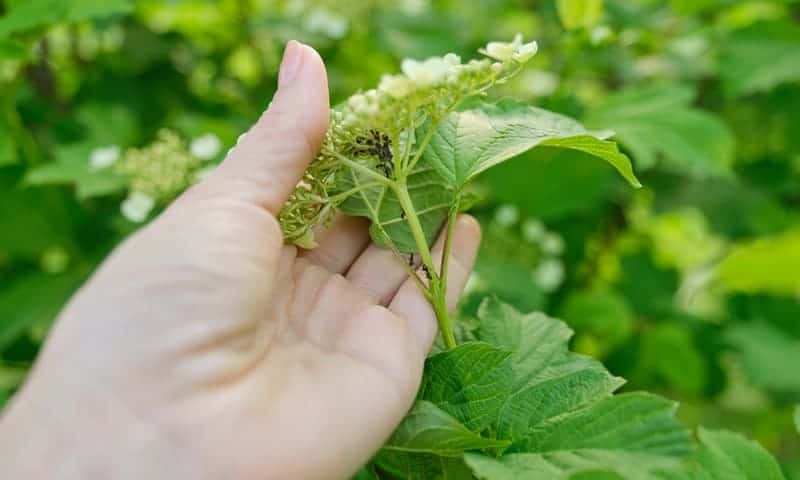
Aphid infestations are a common problem for crepe myrtle trees, and they can be highly damaging if left untreated. Aphids are small, soft-bodied insects that feed on plants by sucking the sap from the leaves and stems.
This can stunt the tree’s growth and even lead to leaf drops. To treat aphids, you can use insecticidal soap, pyrethrin, or neem oil; these natural treatments can be sprayed directly onto the leaves and stems.
Plant Health Care specialists are experts in treating aphid infestations in trees. They understand the best times to apply products to minimize the damage these pests can cause.
Using insecticides, horticultural oils, and other treatments together can eliminate aphids and stop them from doing damage.
PHC specialists will also inspect your tree for signs of infection or damage caused by aphids. If any are found, they will ensure they are adequately treated, and the tree remains healthy.
They may also suggest preventive measures such as pruning or mulching to help keep aphids away from your tree in the future.
With their expertise and experience, a professional tree company can provide you with an effective treatment plan for your tree’s specific needs.
They can also employ natural predators like ladybugs, lacewings, and parasitic wasps to help control the aphid population.
Leaf spot is another common issue for crepe myrtle trees. This issue is caused by several fungi, including Cercospora, which causes round spots on the leaves. These spots can vary in size, color, and shape, and they can cause the leaves to turn yellow or brown.
To prevent leaf spots, it’s essential to water the tree near the roots and avoid wetting the leaves. Additionally, it’s helpful to keep the area around the tree free of debris that can retain moisture and harbor fungus.
Cercospora leaf spots are a common fungal disease that affects crepe myrtles. The warning signs of this disease are yellow spots on the top of the leaves, which can be seen during warm and humid months.
These spots are caused by fungus spores that grow underneath the leaves and, if left untreated, can cause the crepe myrtle to lose its leaves prematurely.
The best way to prevent Cercospora leaf spots is to keep your crepe myrtles healthy and stress-free. This means providing them with adequate sunlight, water, and nutrients. This fungus can also be stopped from spreading by cutting off any branches that are dead or sick.
Also, cleaning up any leaves or debris around your crepe myrtles as soon as possible is vital to stop the disease from spreading.
Suppose you do notice any yellow spots on your crepe myrtle’s leaves. To stop the spread of Cercospora leaf spots, treating them quickly with a suitable fungicide is essential.
Contact a professional tree service if you suspect this problem. Fungicides can be used to treat existing cases of leaf spots.
Canker disease is a common problem with crepe myrtle trees. Many different bacteria or fungi cause it.
Symptoms include cankers – sunken, dead areas in the bark – or dieback of branches.
Canker diseases can be challenging to treat, but you can help reduce the risk by avoiding injuring the tree. Pruning only during dry weather and removing and destroying affected branches.
Chemical treatments may also be used but should be used as a last resort.
Leaf scorch is another common issue affecting Crepe Myrtle trees. A lack of water causes it; the leaves turn brown along the edges and then move inward.
This can be caused by too compact soil, too much fertilizer, or insufficient water. To treat this, you must water more often and profoundly and ensure the ground is well-aerated for proper drainage.
To avoid this problem in the future, it is essential to water the tree at least once a week during the warm months and more often during periods of extreme heat.
Another common issue with crepe myrtles is powdery mildew. It’s a fungal disease that appears on the leaves and stems of the tree as a white powdery coating.
This is caused by an air-borne fungus that thrives in warm and damp climates.
To treat powdery mildew, you’ll need to prune the infected branches, remove fallen leaves and debris, and apply a fungicide.
Watering your tree from the roots up and not from the top would be best, as this will help prevent mildew from spreading.
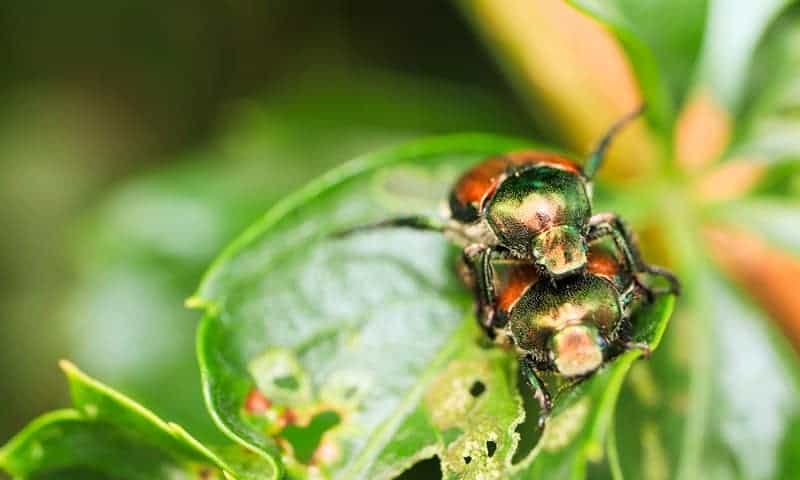
Japanese beetle infestations can be a significant problem for crepe myrtle trees. Brown beetles with green heads consume the tree’s leaves while their young feed on the grass.
Japanese beetles are most active from May to August and can cause significant damage to crepe myrtles during this time.
Warning signs of a Japanese beetle infestation include wilting or discolored leaves, skeletonized foliage, and holes in the leaves. The beetles will also leave small piles of sawdust-like material at the base of the tree as they burrow into it from below ground.
If you notice any of these signs, it is crucial to take action quickly to prevent further damage to your crepe myrtle tree. Pruning off affected branches and using insecticides can help control an infestation before it gets out of hand.
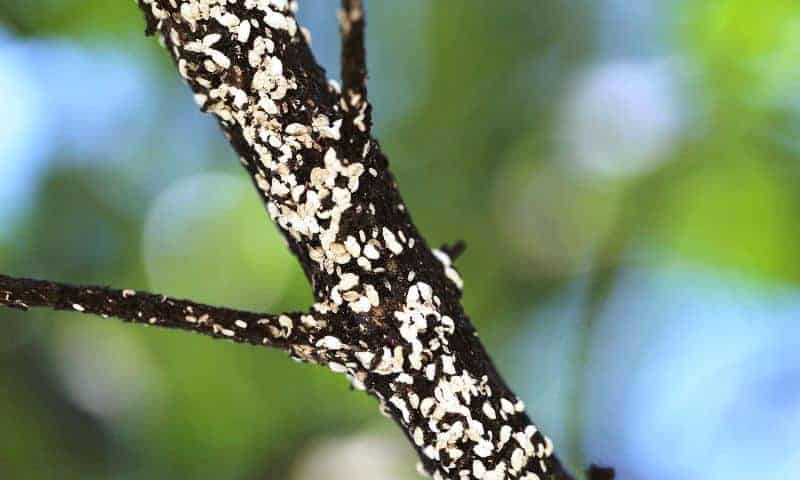
The crepe myrtle bark scale, which came from Asia, is a new problem for myrtles in the U.S. It makes the tree’s branches look gray and scaly.
The scales are small but can cause severe damage to the tree if left untreated.
Bark scales can put a lot of stress on a tree because they drain sap from the leaves and stems. This makes the tree weaker and can eventually kill it.
Awareness of warning signs indicating a crepe myrtle bark scale infestation is essential. These include yellowing or wilting leaves, premature leaf drop, branch dieback, and sooty mold on the bark or leaves.
If you notice any of these signs, you must immediately prevent further damage to your crepe myrtle tree. Pruning affected branches and treating them with insecticides can help control an infestation of crepe myrtle bark scale.
Crape murder is a term used to describe the improper pruning of crape myrtles. This practice involves cutting back the branches too far, which can cause severe damage and even death to the tree.
To effectively encourage more blooms, pruning must be done at the proper time of year and with the appropriate methods to avoid stressing the tree.
Trees can experience stress from various sources, such as weather conditions, a lack of or too much rain, poor pruning, or poor soils. Trees become more susceptible to pests and diseases when stressed out, which can further damage them.
It is critical to remember that crape myrtles should never be pruned during the winter when they are dormant.
Tree trimming and pruning should also be done with care, not removing too much foliage or bark from the tree. If you prune your crape myrtle correctly, it will stay healthy and bloom for many years.
You can enjoy these majestic trees with proper care and attention without worrying about crape murder!
In conclusion, crepe myrtles are beautiful, hardy trees that thrive in many climates. With the proper care and maintenance, they can provide years of enjoyment.
Knowing the signs of the most common issues and how to treat them can help ensure your crepe myrtles stay healthy and vibrant.
With a few preventative measures, you can avoid many common issues and keep your crepe myrtles looking beautiful for years.
If you liked this blog, check out our other tree care and maintenance articles on: