Viva Trees
Get a FREE professional tree service estimate from Viva Trees - one of the most trusted tree companies in the U.S.
OR CALL
Get a Free Estimate
Every project starts with a free tree service estimate. Enter your details to get started.

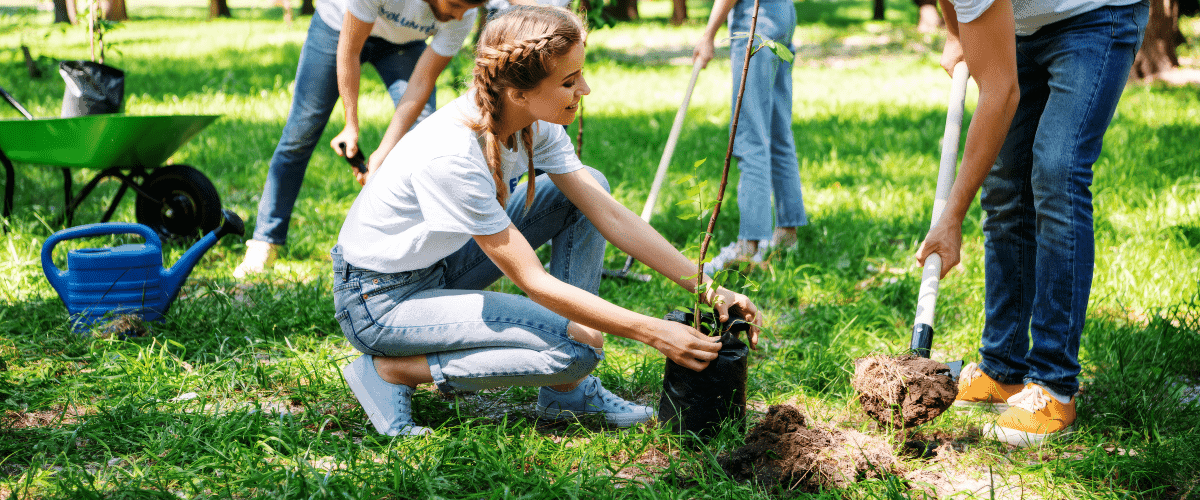
Planting trees is a great way to help the environment, but it’s not always easy. From selecting the right tree for your needs to taking care of it after planting, knowing what you’re doing can make all the difference in ensuring success.
That’s why we’ve written the Complete Guide To Plant Trees – from Selection to Aftercare. Whether you’re a beginner or an experienced gardener looking for tips and tricks on how to get started, we have everything you need to know to ensure your new tree grows healthy and strong.
Here is the complete guide we use for our tree-planting services to help you get started with confidence.
Let’s talk about choosing the correct tree species – from climate considerations, soil type, size, growth habits, allergies, sun exposure, pest resistance, wildlife habits, utility lines, landscaping impact, disease resistance, maintenance requirements, root system, and aesthetics. We’ll discuss all these factors so you can pick the perfect tree for your garden.
When selecting the correct tree species for urban planting, climate plays a significant role.
From drought-tolerant trees to those that can withstand high temperatures and humidity, you must consider how much sun or shade your space will receive and what environment it is in before making any decisions.
You should also consider if the area has been subject to extreme weather conditions, such as strong winds or flooding, which could affect how successful your new tree is likely to be.
Planting trees with these considerations will ensure they can thrive and benefit their environment for years.
When selecting suitable tree species for planting, soil type is just as important as climate.
The composition and drainage of your soil can make all the difference when deciding what trees will be best suited for your area.
Different soil types have different nutrient and water absorption levels that must be considered.
For example, clay-based soils may hold more moisture than sandy ones, which could lead to root rot in certain species if not properly managed.
Similarly, some trees require well-draining soils to thrive, while others prefer heavier soils with better retention capabilities.
This makes understanding the soil conditions in your local environment essential before introducing new plants or trees.
Doing this research beforehand can help ensure that each tree planted has the best chance at thriving in its new home long term. At Viva Trees, we always consider the above when we provide our tree selection services to our customers for the best results.
Why Your Tree and Shrub Soil Matters: Choosing suitable soil for your trees and shrubs can be essential for their health and growth. Our guide on why your tree and shrub soil matters covers the most important considerations when selecting soil, including pH, texture, and nutrient content.
I will talk about climate zones, soil texture, and soil pH – three essential topics for planting trees. Climate zones are the areas determined by their average temperature and precipitation, so it’s essential to understand which zone you’re in for successful tree planting. Another factor to consider is soil texture: sand, silt, and clay in the soil. Lastly, soil pH is also essential, as it determines how acidic or alkaline your soil is.
Climate zones are a great way to determine the type of native plants that can survive in your local environment.
Knowing what temperature range and how much rainfall is typical for your area will help you decide which trees, shrubs, and flowers best fit into your landscaping plan.
Consider drought-tolerant varieties if water conservation is essential in your region, or select species adapted to wetter conditions if they’re more common near you.
By understanding the climate around you and choosing wisely, you can get the most out of whatever tree or plant you choose!
Now that you know how to select plants based on climate, it’s time to focus on your soil.
Soil texture and pH are two essential characteristics of successful landscaping. Whether you have sandy or clay-like soil affects the drainage of water and nutrients available for your plants.
The pH level tells you if the soil is acidic or alkaline; this helps determine what kind of trees, shrubs, and flowers will thrive in your landscape. Knowing these things about your soil can help you make sure whatever type of plant you choose is given its best chance at success!
Now that you know about soil texture and drainage, let’s dive into understanding the acidity or alkalinity of your soil.
This is important for determining what kind of trees, shrubs, and flowers will thrive in your landscape.
That’s why it’s so important to get your soil tested!
It can help you manage nutrients more effectively and ensure that whatever plant types you choose have the best chance of success.
Soil testing is vital for creating a beautiful outdoor space – don’t skip this step!
Location selection is critical when planting a tree – you want to ensure it’s in a spot that will give it enough sunlight and be accessible for maintenance. When it comes to soil preparation, you’ll want to ensure the area is clear of debris and that the soil is loose and well-draining. Lastly, at Viva Trees, we always add mulch to every new tree we plant, and you should too. It helps protect the tree from weeds and helps retain moisture, so it’s an essential step for healthy growth.
When selecting the perfect spot for your tree to call home, it’s essential to consider various factors.
Sun exposure is one of the most crucial elements; knowing how much sun or shade your tree needs will help you find its ideal location.
Soil types are key: ensure the area has good drainage and an appropriate pH balance so your tree can thrive in its new environment!
With careful consideration of all these points, you’ll be well on your way to finding the right place for your precious new addition.
Now that you’ve found the perfect spot for your tree, it’s time to ensure your soil is ready.
Aerating the soil will help increase air and water penetration so nutrients can easily reach the roots.
Composting materials like manure or leaf mold will create a more prosperous plant growth environment.
With these simple steps, you’ll be well on your way to creating an ideal growing environment for your new addition!
Once your soil is prepped and ready to go, it’s time to move on to mulching.
Organic materials like leaves or straw can help conserve moisture in the ground while preventing weeds from growing around your new tree.
Not only will this ensure that all the nutrients stay where they need to be, but it also adds a nice aesthetic touch when selecting the right tree for your yard.
Plus, organic mulch breaks down over time which helps add beneficial nutrients back into the soil!
So don’t forget about mulching – it’s essential to creating a thriving environment for your new addition.
Let’s start by discussing how to prepare the site for planting a tree and then go over the steps for planting it. We’ll need to cover everything from selection to aftercare.
When planting a tree correctly, one of the most critical steps is preparing the site.
Whether planting in a container or directly into the ground, ensure your chosen native species has enough room for its roots and future growth.
You can even create an area that allows water to pool around the tree’s base during rainy seasons.
Once everything is ready, you can confidently move forward, knowing your tree will have all the necessary resources!
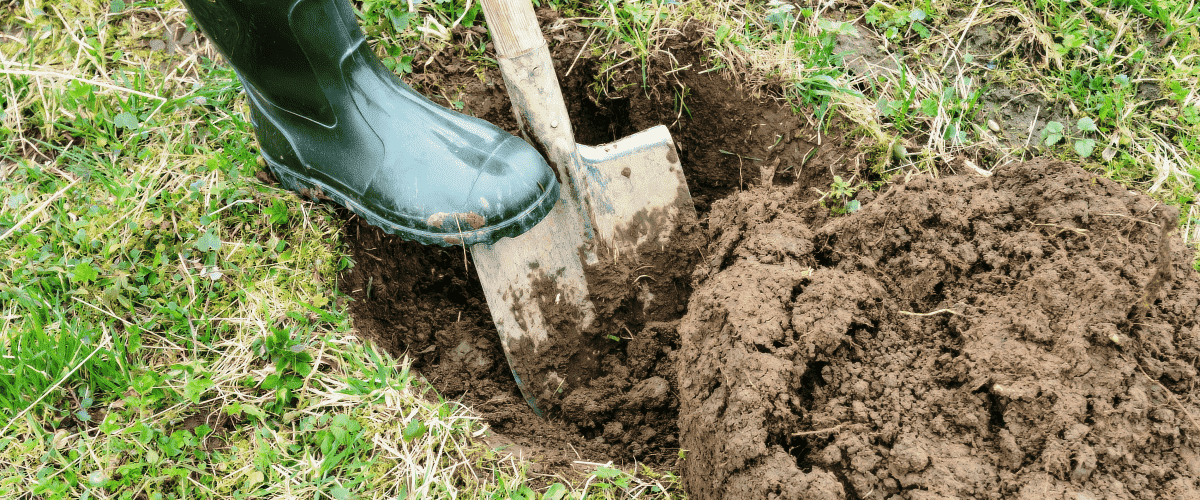
Now that you’ve chosen the perfect tree and prepared a suitable site for its root system, it’s time to plant!
Here are 6 steps to plant the tree properly.
1. Choose the right location and dig the planting hole: Before planting, select a suitable location for the tree, considering the tree’s mature size, sunlight requirements, and proximity to buildings or other structures.
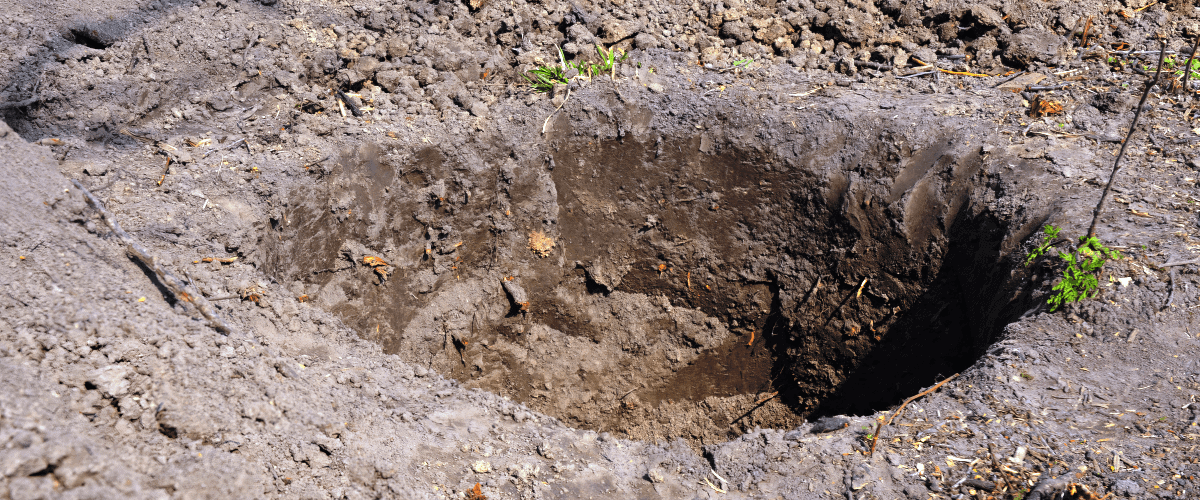
Once you’ve chosen the location, dig a planting hole two times wider than the tree’s root ball and no deeper than its previous growing depth. Ensure that the sides of the hole are rough and not smooth, as this encourages root growth.
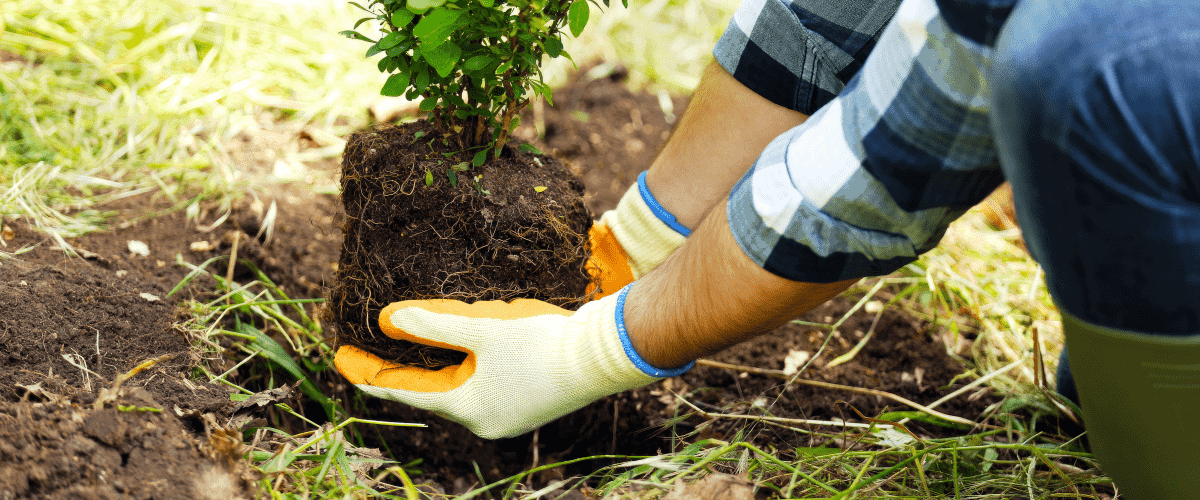
2. Examine and prepare the roots: Remove the tree from its container or burlap wrapping and examine the roots. If the roots are circling or growing in a tight pattern, gently break them apart or make vertical cuts in the root ball to encourage outward growth. This step is crucial for the tree’s long-term health and establishment.
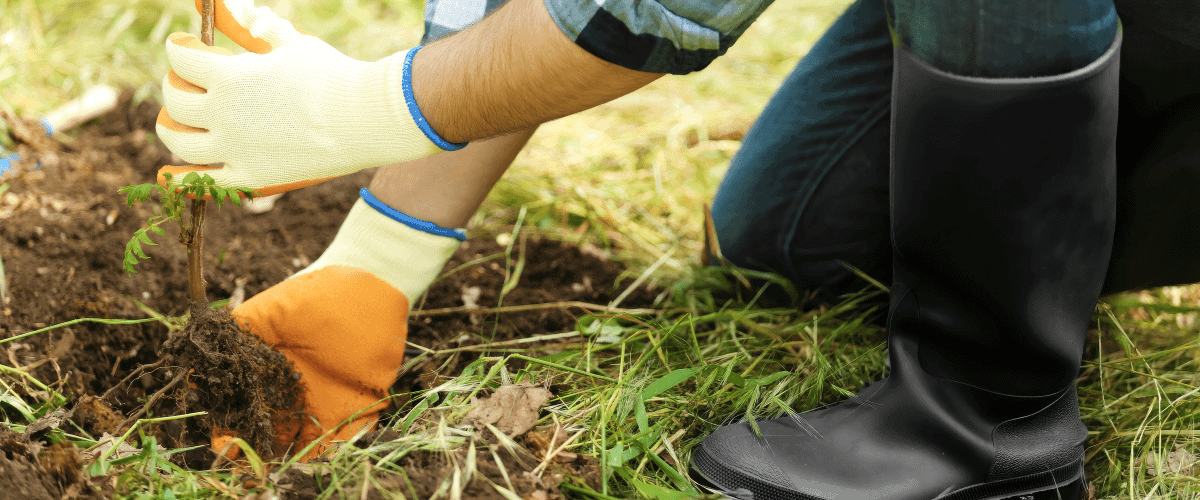
3. Position the tree correctly: Place the tree in the center of the planting hole, with the root flare (the point where the trunk widens and meets the roots) slightly above the surrounding soil level. This ensures proper drainage and prevents the tree from being buried too deep, which can lead to rot or disease.
4. Backfill with native soil: Refill the planting hole with the native soil you removed while digging. Avoid adding soil amendments or other materials, as this can discourage roots from growing into the surrounding soil, resulting in a less resilient tree. Break up any large clumps of soil and remove rocks to create a better environment for root growth. As you fill the hole, periodically stop to gently firm the soil around the roots, ensuring good contact between the soil and the root ball.
5. Water to remove air pockets: Once the hole is about halfway filled with soil, water the tree thoroughly to help settle the soil and remove air pockets. This provides necessary hydration for the roots and ensures good soil-to-root contact without overly compacting the soil. After the water has drained, continue backfilling the hole with soil and water again when it is filled.
6. Apply mulch around the tree: Place a 2-3 inch layer of organic mulch, such as shredded leaves, wood chips, or bark, around the base of the tree, starting about two inches from the trunk and extending to the tree’s drip line (the outer edge of the tree’s canopy). Keep the mulch away from the trunk to prevent moisture buildup and potential rot. Mulch helps retain moisture, moderate soil temperature, and suppress weeds, which benefits the tree’s health and growth.
Once everything is in place, give your new sapling a good watering and continue providing regular care to thrive in its new home.
With patience and dedication, you’ll be rewarded with vibrant greenery that will benefit all who come across it!
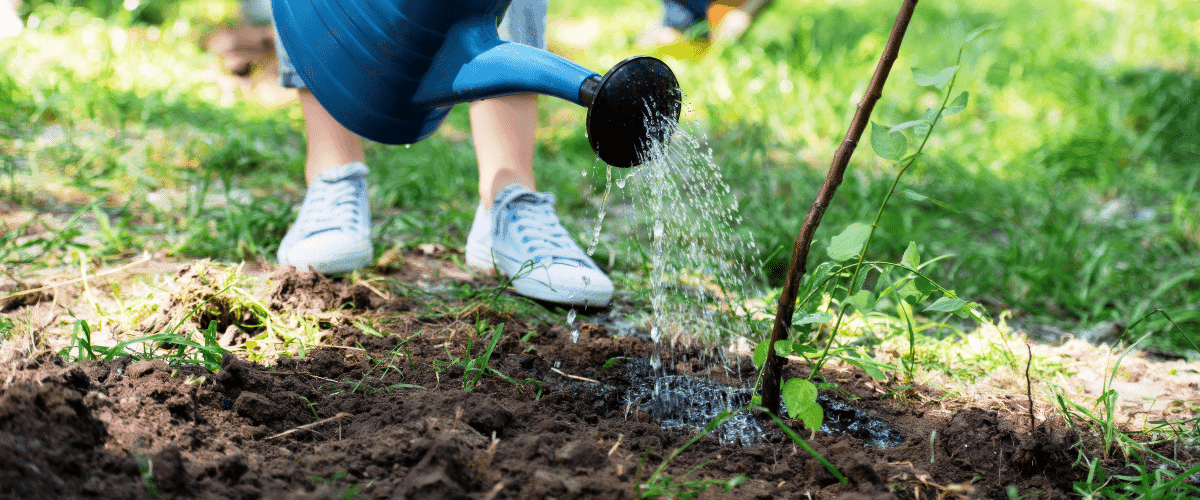
Let’s talk about watering frequency and mulching depth; how often and how deep should we go?
To keep your trees healthy and thriving, you must ensure they get the proper water.
Effective irrigation methods such as rain harvesting can help your tree get the moisture it needs without over- or under-watering.
It’s essential to monitor the soil around your tree regularly so that you don’t have to guess when it comes to water; plants usually require more frequent watering during dry spells than in wetter seasons.
When it comes time to water, don’t forget to consider other factors like wind speed and sunlight exposure.
Understanding how much water your tree needs can ensure its health for years!
Once you’ve got a handle on your tree’s water needs, it’s time to think about mulching.
Mulch can help keep moisture and improve soil drainage by ensuring roots get enough oxygen.
The goal is to maintain an even depth of around 2-3 inches; too much or too little will disrupt root aeration, leading to unhealthy growth patterns.
Creating a buffer between your tree and weeds also helps protect against pest infestations that could damage its health.
With the proper mulching technique, you’ll be able to give your tree the best chance at survival!
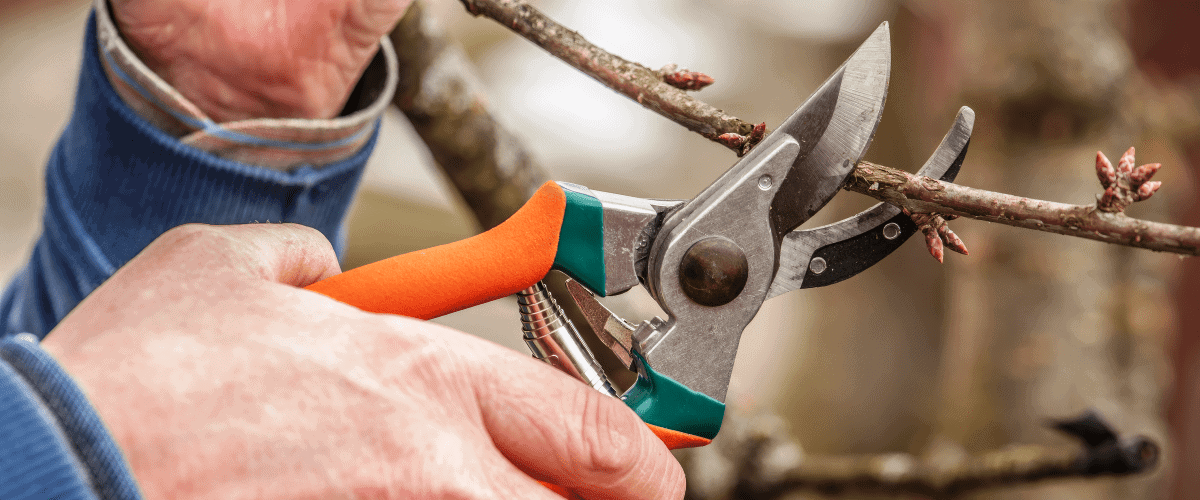
Let’s talk about fertilizing first – there’re many types to choose from, so we’ll need to decide which one’s best for the tree we’re planting. Pruning’s next – we can use a few different methods, so we should figure out which one’s most appropriate. Finally, we’ll need to decide how often we should prune – that’ll depend on the tree and the pruning method we use.
Fertilizing is integral to tree care and comes in natural or synthetic forms.
Natural fertilizers are made from organic materials, including compost, manure, or seaweed extract.
Synthetic fertilizers contain chemical components and should be used sparingly due to their potential to cause damage to the soil if overused.
It’s also important to consider what type of fertilizer your tree needs; some trees may require a slow-release fertilizer, while others benefit more from a quick-release one.
Whatever you choose, make sure that it fits the requirements of your particular species so that it can get all the nutrients it needs without any adverse effects!
When selecting the correct type of fertilizer for your tree, researching beforehand will help ensure its health and longevity.
Now that we’ve discussed fertilizing let’s move on to pruning methods.
Pruning is just as crucial for tree care and can help promote optimal root growth, which in turn aids in overall tree selection and health.
Different trees will require different types of pruning; some may need light trimming, while others might benefit from more extensive cutting back.
Whatever the case, ensuring you use the correct tools when pruning is essential so your tree won’t suffer any damage.
When done correctly, pruning can encourage healthy growth and extend the life of your tree!
Now that we’ve discussed the importance of pruning and the tools to use let’s move on to frequency.
Different trees will need different pruning levels; some may only require root pruning or crown thinning once a year, while others might benefit from more frequent cuts throughout their growing season.
Pruning your tree regularly is essential for its continued health and growth, as it can encourage new shoots and remove dead branches.
Regularly keeping up on pruning also helps you meet your tree’s needs to ensure it stays healthy!
Taking care of your tree by properly fertilizing and regular pruning allows us to give back something special to our environment.
I want to start by discussing identifying pests and diseases. We should also discuss preventive measures to keep pests and diseases at bay, such as proper tree selection and planting. Lastly, reviewing treatment methods is essential if a tree is already infested.
When controlling pests and diseases on your new tree, you’ll want to start by identifying any potential threats.
Whether it’s an insect or a disease, the good news is that there are natural predators out there that can help.
Beneficial insects like ladybugs and lacewings will naturally keep pest populations in check, while other predatory bugs like praying mantises will devour larger prey.
If you are dealing with infestations, try releasing some beneficial critters into your garden – they’ll often do the job for you!
And if all else fails, manual removal may be necessary. But whatever you do, don’t forget nature’s helpers: those little beneficial insects who can make all the difference in keeping your trees safe from harm.
Preventive measures are essential for controlling pests and diseases on your new tree.
Monitoring the native ecology of your area can help you identify potential threats while also aiding in preserving the local biodiversity.
Planting trees adapted to your climate is vital for preventing problems from arising due to temperature changes caused by climate change. Click here to learn more about trees and climate change.
Taking proactive steps like these will ensure you can enjoy the beauty of your new tree without any issues!
Now that we have discussed the importance of preventive measures let’s talk about what to do if your tree is already showing signs of disease or pest infestation.
Treatment methods will vary depending on the type and severity of the problem; however, some general steps can be taken that may help.
First, ensure that you are providing adequate root health by monitoring moisture levels and soil composition around your tree.
Additionally, using organic pesticides or fungicides when necessary may prevent a minor issue from worsening.
By taking proactive steps such as these, you can keep your new tree healthy while protecting its native environment!
Let’s start by discussing choosing the suitable species for your tree; many factors must be considered. Next, we can discuss wind protection; there are methods to reduce the impact of strong winds on the tree. Finally, we should look at wildlife deterrence; protecting the tree from potential damage is essential.
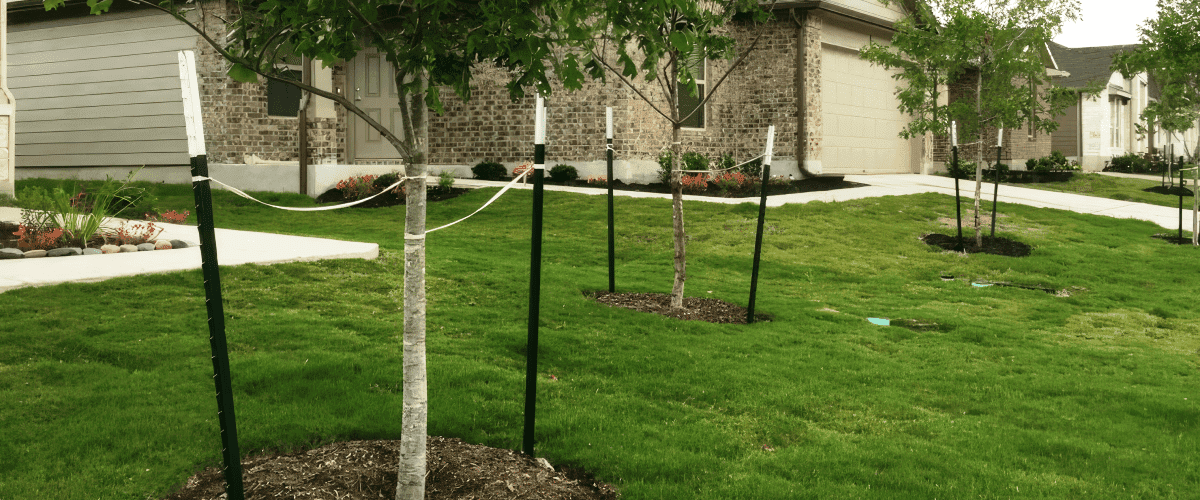
When planting a tree, choosing the suitable species for your environment is essential. Selecting native species that are local to your area and resistant to weather conditions is critical.
Wild harvesting can also be an option if looking for something more exotic – research how well the plant will fare in the climate where you live!
Being mindful of protecting trees from wildlife by avoiding certain fruits and nuts or using barriers like fencing can help ensure long-term success with your new tree.
Your newly planted tree will thrive for years with thoughtful selection and aftercare.
Once your tree is planted, it’s essential to consider protecting it from wind and extreme weather.
Windbreaks can be used in exposed areas to reduce the impact of strong winds on trees by creating microclimates with lower wind speeds.
Planting shrubs or hedges around the tree can help protect against large gusts and heavy rain – this will also create a more inviting environment for wildlife!
Don’t forget to water your new tree regularly during its first year, especially during periods of intense heat or drought.
Taking these steps now will ensure that your hard work pays off and that you have a healthy, long-lasting addition to your landscape.
Now that we’ve discussed how to protect your tree from wind and extreme weather let’s move on to another critical factor in the health of any new sapling: wildlife deterrence.
Natural predators like deer or rabbits can quickly destroy a young tree before it can take root. To prevent this, you’ll want to create an environment that discourages these animals from coming too close.
Planting birdhouses and other natural deterrents near the tree will help keep them away without harming them. Fencing around the trunk is also recommended for protection against nibbling critters.
In summary, deterring local wildlife will ensure your young sapling thrives into adulthood!
Let’s start by discussing how to identify issues with your newly planted tree; then, we can move on to diagnosing the underlying problems.
Identifying issues is critical for recognizing and correcting problems with your trees. Knowing precisely what’s wrong can help you plan the best action for caring for them.
To ensure that your tree has the proper resources, do soil testing to check nutrient levels and pH balance; this will give you an idea of what kind of amendments are necessary, if any.
Also, take note of root growth–if there isn’t enough space for roots or drainage, replanting may be in order.
You’ll have healthy trees that thrive for years with vigilance and care!
The next step in recognizing and correcting problems with your trees is diagnosing the issues. Sometimes, it’s easy to spot signs of root rot or crown dieback, but other times they can be more challenging to detect.
That’s why conducting a thorough inspection of your tree from top-to-bottom is so essential – you don’t want any underlying conditions going unnoticed! Taking pictures, noting changes over time, and consulting an expert are all great ways of determining what might be causing problems for your tree.
With a proper diagnosis, you’ll have the information needed to get started on fixing the problem and make sure that the same issue doesn’t happen again in the future.
Let’s talk about how to provide long-term care for trees. We must cover watering, pruning, and fertilizing, so let’s begin! We’ll need to ensure we give them enough water, prune away dead or excess branches, and fertilize them to ensure they stay healthy.
Proper irrigation and regular watering are vital for ensuring your tree’s long-term health.
Watering can be done manually through a sprinkler system, with a hose or bucket, or using a soaker hose to deliver water directly to the roots.
It is important to check soil moisture levels before giving any additional water–you don’t want it too wet!
Once you’ve determined that the plant needs more water, provide enough, as trees require more significant amounts than other plants.
Lastly, consider seasonal weather changes when determining how much to give; summer months may call for more frequent watering, while winter requires less.
With these tips, you’ll be ready to keep your tree happy and healthy all year round!
Once your watering routine is down, it’s time to talk about pruning for long-term care.
Understanding the differences between tree trimming and pruning is essential to ensure your tree’s health over time.
Pruning helps create a strong structure supporting new growth while removing dead or diseased branches.
It also promotes air circulation to reduce humidity levels and prevent mold or mildew from forming on the leaves.
Root pruning is significant as it helps control how much water and nutrients reach different parts of the plant, allowing for more even distribution throughout its entire system.
Doing both these activities regularly will help maximize the lifespan of your tree!
Now that you know the basics of pruning and root pruning, it’s time to talk about fertilizing your tree.
Fertilization is essential for providing much-needed nutrients to support a healthy growth rate in native species. It also helps promote deeper roots which help trees withstand weather fluctuations better.
When choosing what kind of fertilizer to use, select one specifically formulated for your tree type – this will ensure proper nutrition without overloading its system with too many minerals or chemicals.
Once you’ve chosen a good fertilizer, apply according to instructions and water deeply so the nutrients reach down into the soil at least six inches deep – this will give your tree’s roots access to all those necessary elements!
Planting Trees This Spring: Spring is an ideal time to plant new trees, and there are several best practices to remember. Our guide on planting trees this spring covers the most effective techniques, from selecting suitable tree species to proper watering and aftercare in the spring.
Planting a tree comes with countless benefits, from reducing pollution and improving air quality to providing wildlife habitat and boosting the aesthetic appeal of your property.
Not only will you be making an essential contribution to the environment by planting a tree, but it can also add value to your home – both in terms of its market value and how much pleasure you’ll get from seeing it grow over time.
Planting trees is one of the most meaningful things we can do for future generations – so why not start today?
Figuring out if a tree species will do well in your climate can be daunting.
Climate zones, native species, pH levels, sun exposure, and aeration needs all play a role in the success of a new tree planting.
To ensure you select the right type for your location, start by researching what kind of trees typically thrive in your area’s climate zone.
Then take it one step further to explore which native species are best suited to that particular climate zone; this could include factors such as soil acidity or alkalinity (pH level), amount of direct sunlight throughout the day, and its water drainage capabilities – all essential elements for healthy growth and long-term sustainability.
Once you’ve identified potential candidates, remember to give them plenty of room to grow with adequate aeration so their roots have space to develop properly.
With careful research and consideration of these critical components, you’ll soon have a thriving addition to your landscape!
Ah, the age-old conundrum: how do you know if your soil is suitable for planting a tree?
It’s one of life’s biggest questions. After all, it can be hard to tell just by looking at it! But never fear – there are several ways to ensure that what you’ve got going on in the dirt department will work with whatever new trees you want to add to the mix.
From testing nutrient requirements and soil fertility levels to amending those soils if needed, anyone can become an expert tree selector and planter after their due diligence to understand the nuances of their local soil conditions.
When it comes to planting a tree, proper spacing is crucial. Depending on the species of tree and soil conditions, you’ll want to ensure your tree has plenty of space for its roots to grow without competing with other plants or disrupting existing structures like sidewalks and driveways.
Sun exposure also affects how far away from your home you should plant; if possible, look for a spot where the tree will receive adequate sunlight throughout the day.
Ultimately, you’ll need to consider all these factors when deciding on an appropriate distance between your house and any new trees you hope to add!
Picture yourself in your yard with a newly planted tree and the sun beating down on you. How often should you water it?
It depends! Watering frequency for trees varies by tree type, climate factors, soil needs, and spacing needs.
To ensure optimal health for your new family member, research all of these factors specific to your area before planting to develop an effective watering plan, according to horticulture experts.
We can all agree that planting a tree is an incredibly worthwhile endeavor.
Trees not only provide oxygen and shade but are also aesthetically pleasing and help reduce pollution levels in our environment. One mature tree can absorb up to 48 pounds of carbon dioxide yearly!
No matter where you live, a species of tree will likely thrive in your climate.
With the right selection and proper aftercare, including regular watering and the occasional pruning, you’ll be able to enjoy the beauty of your new trees for years to come.
Plus, don’t forget the added benefit of increased property value—research shows that homes with landscaping featuring mature trees sell for up to 20% more than those without!
So why wait? Let’s get out there and start planting some trees!
It’s never too late to impact our planet positively, and I encourage everyone reading this article to participate in making it happen.