Viva Trees
Get a FREE professional tree service estimate from Viva Trees - one of the most trusted tree companies in the U.S.
OR CALL
Get a Free Estimate
Every project starts with a free tree service estimate. Enter your details to get started.

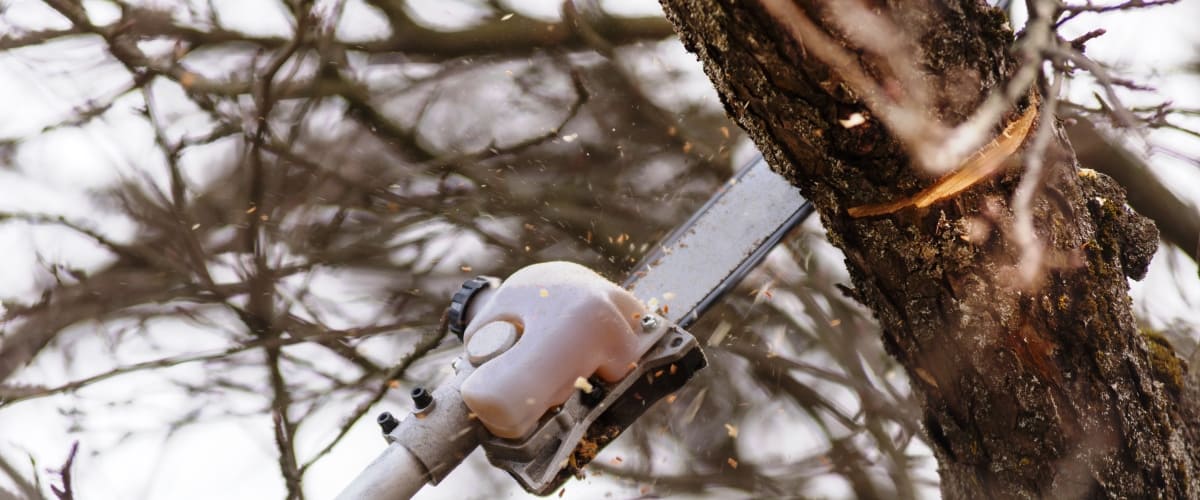
At Viva Trees, we often get asked if it’s ok to prune a tree in the winter. So we decided to provide the answer in this article along with the benefits of pruning trees in the winter and give tips on how to do it right.
Pruning tree services during the dormant or winter season can have many benefits for the health and appearance of the tree. When trees are dormant, they are not growing and are less likely to be stressed or hurt by pruning.
When you prune a tree in the winter, you can see more of its structure, making it easier to find and cut off damaged or diseased branches.
Also, pruning during the tree’s dormant season can help it grow new leaves and improve the tree’s shape and the look of your property.
Keeping your trees healthy and vibrant is essential for maintaining a beautiful landscape, but it can be challenging to know where to start. That’s where our Ultimate Tree Health Checklist comes in! This comprehensive guide covers everything you need to know about caring for your trees, from proper planting techniques to fertilization and pest control.
Following our expert pruning advice and the right tools is essential to keep a tree healthy and robust. Whether you decide to do it yourself or hire a professional, winter pruning services can help ensure your trees remain healthy and attractive for years.
There are several reasons why dormant pruning can be beneficial for the health of your trees and shrubs:
Pruning can help eliminate broken or sick branches when a tree or shrub is dormant. This can stop the spread of disease and make the tree or shrub healthier overall.
Pruning during the winter can also help promote new growth in the spring. Dead branches should be removed in late winter, as this will allow for new buds to form and grow.
Pruning during the winter can also help reduce the risk of disease, as dead branches are more likely to spread infection throughout your landscape.
Also, winter pruning can help improve air and light flow through the tree or shrub’s canopy, making it even healthier and more robust.
During the tree’s dormant season, pruning lets you see more of its structure, making it easier to find any broken or troublesome branches and cut them off.
Winter pruning is especially beneficial for deciduous trees, fruit trees, and other flowering plants. During the dormant season, pruning helps eliminate disease-causing dead or damaged branches.
It also makes it easier to see the flower buds and encourages healthy growth for the next season. Pruning in the winter also helps the tree’s canopy get more airflow, which can help stop diseases from spreading.
By cutting off any overgrown or crooked branches while the tree is dormant, you can improve the shape and look of the tree as a whole.
Late winter is the ideal time to prune trees, as it allows for the removal of any diseased or dead branches before warmer weather arrives.
Pruning during this time can also help to reduce the risk of oak wilt, a fungal disease that affects oaks and other hardwood trees.
Corrective pruning services are a big part of winter pruning because it helps improve the shape and look of the tree. Fresh pruning cuts should be made in late winter to ensure that new buds will form and promote vigorous growth in the spring.
Major pruning should only be done when necessary, as it can cause stress and damage the tree. However, if done correctly, major pruning can help encourage healthy and vigorous growth in the upcoming season.
You can prune your trees during the dormant season to keep them healthy and beautiful for years.
Another reason for pruning during the winter is that it is easier to identify diseases and pests in the cold months. During the winter, trees are dormant and have fewer leaves, making it easier to spot any signs of disease or pest infestations.
By pruning during this time, you can remove diseased or damaged branches before they spread to other parts of the tree.
Winter pruning is vital for deciduous plants, as it can help prevent the spread of Dutch Elm Disease. This fungal disease can spread quickly in warm weather, making winter the perfect time to prune and remove infected branches.
Pests and diseases also grow more slowly when it’s cold outside. This gives you more time to spot problems before they get too bad. Pruning during the winter can be a great way to keep your trees healthy and disease-free.
Pruning during the winter also reduces the risk of shock to the tree. When a tree is pruned during the growing season, it can be more susceptible to shock due to sudden environmental change.
However, when pruning is done during the winter months, there is less stress on the tree as it is already dormant and not actively growing. This helps reduce the risk of shock and allows for a healthier
Winter pruning reduces the chance of shock and helps plants grow well in the summer. When the tree is dormant, removing diseased wood lets you prune it correctly and encourages new growth in late spring. This is especially beneficial for ornamental trees, as they are often more sensitive to shock than other trees. If you prune your ornamental trees well in the winter, they will grow healthy and lush in the summer.
During dormancy, pruning can also help the tree get more air and light, which improves its overall health and strength.
Professionals in tree care say pruning should be done in the winter because it is easier to find weak trees, dangerous branches, and dead wood.
Pruning cuts should be made carefully and in advance to ensure the tree stays healthy and robust. This will help the plants grow new leaves and reduce the risk of getting sick or being attacked by pests.
It is important to prune trees and shrubs correctly and with the proper tools to ensure that they remain healthy and vigorous. It is also good to consult with a certified arborist or horticulturist to determine the best pruning techniques and timing for your specific trees and shrubs.
There are both advantages and disadvantages to pruning trees during the spring and summer as opposed to the winter:
Spring and summer are the active growing seasons for trees, so pruning during these times can help to encourage new growth and improve the tree’s overall health and vigor.
Pruning during the spring and summer can also help remove any new growth that may be causing problems, such as crossing branches or growing in the wrong direction.
Pruning during the active growing season can stress the tree and make it more vulnerable to disease and pests.
When you prune in the spring and summer, more sap can flow out, which can look bad and may attract pests.
Trees are dormant during the winter, so they are less vulnerable to stress and damage from pruning.
When you prune a tree in the winter, you can see more of its structure, which makes it easier to find and cut off any broken or diseased branches.
Winter pruning can be more difficult due to the colder temperatures and the potential for snow and ice.
Identifying specific types of damage or disease may be more challenging during the winter, as the tree’s leaves are absent.
When deciding when to prune, it’s essential to consider what your tree needs and how it grows. Generally, it is best to prune trees when they are actively growing but not in the middle of a growth spurt. Consulting with a professional tree service company can also help you determine the best pruning techniques and timing for your specific trees and shrubs.
If you liked this blog, check out our other tree care and maintenance articles on: