Viva Trees
Get a FREE professional tree service estimate from Viva Trees - one of the most trusted tree companies in the U.S.
OR CALL
Get a Free Estimate
Every project starts with a free tree service estimate. Enter your details to get started.

The Impact Of Climate Change On Trees: What Texas Homeowners Need To Know
Climate change is like a slow-moving freight train. It takes a while to get going, but when it does, it can wreak havoc on our planet and the species that live on it. Trees are no exception. Climate change already impacts Texas, and homeowners must know the effects.
As a Texan homeowner and tree care professional, I know how important it is to be informed about the impact of climate change on trees. That’s why I’m writing this article—to provide a comprehensive overview of the changes in the climate and the impact they’re having here in Texas.
In this article, I’ll explain the science behind climate change and its effects on trees, as well as provide some tips on how homeowners can protect themselves from the impacts of climate change. By the end of this article, you’ll understand how climate change impacts Texas and what you can do to protect your trees.
For a good reason, climate change has been thrown around quite a lot lately. But what is climate change, exactly? Experts say it’s the long-term change in the global climate pattern caused by more greenhouse gases in the air, like carbon dioxide.
I’ll tell you one thing—the impact of climate change is accurate, and it’s affecting us all in some way. Unfortunately, the consequences are especially severe for trees. As temperatures rise and climate patterns shift, homeowners in Texas need to be aware of the potential risks and take proactive measures, such as getting professional tree risk assessments and implementing tree conservation practices.
To better understand the impact of climate change on trees, it’s essential to break it down and look at the details. So, let’s take the next logical step and discuss how climate change affects our landscapes.
Climate change is an urgent issue that affects us all, and the effects are especially pronounced on trees. Temperature, rain, and wind changes can significantly affect their health and well-being. Homeowners in Texas need to know the effects of climate change to take the steps they need to protect their property.
When it comes to climate change, trees are especially vulnerable. They rely on predictable temperatures and weather patterns to stay healthy. But when the climate changes in hard-to-predict ways, they go through a lot of stress as temperatures change and weather patterns get more extreme. This can lead to a weakened immune system and a greater susceptibility to disease and pests.
In addition to temperature and weather, trees can also be affected by changes in the levels of carbon dioxide. Rising carbon dioxide emissions can reduce water availability, making them more vulnerable to drought. This can lead to weakened tree roots and susceptibility to disease, insect infestations, and other problems.
But to protect trees from the effects of climate change, it’s essential to understand the signs of damage.
Climate change is already hurting trees worldwide, and Texas is no exception. Identifying the signs of climate change damage is the first step in understanding how best to protect them.
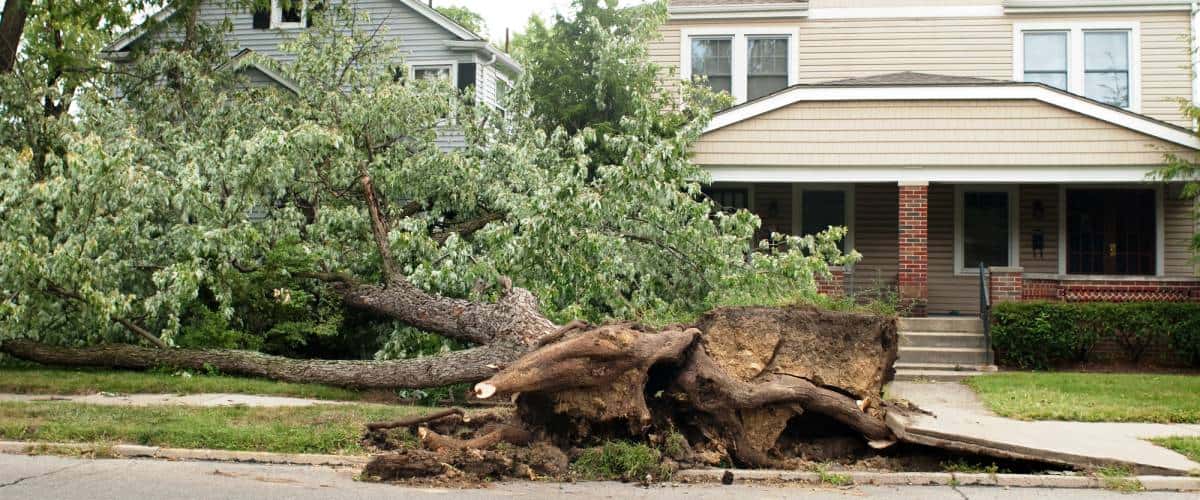
The most obvious sign of climate change damage is the presence of extreme weather. Trees experiencing more frequent or severe storms, droughts, or heat waves can become weakened, stressed, and even die. Other signs of climate change damage include insect infestations, fungal infections, and changes in the color or texture of the bark.
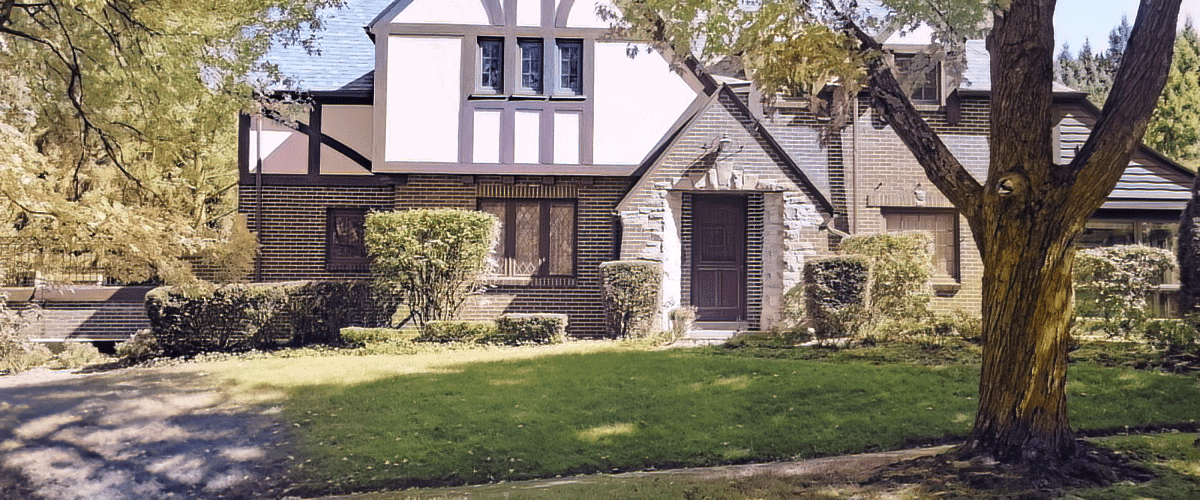
In some cases, climate change damage can be less noticeable. For example, if there is a drought and a tree can’t get enough water, it can dehydrate and not get enough nutrients. This can lead to poor growth, leaf discoloration, or even death.
Fortunately, there are some steps that homeowners can take.
Next, we’ll look at how you can proactively protect your trees from extreme weather and other threats associated with climate change. TIP: Check your trees regularly for signs of climate change damage, such as severe weather, insect infestations, and nutrient deficiency. Early intervention can help protect them in the long run.
The impact of climate change is becoming increasingly evident, and homeowners are particularly at risk. In fact, according to the Texas Forest Service, Texas is one of the most impacted states in the nation regarding tree loss due to climate change. This is why homeowners in the state need to understand how to protect their trees proactively.
For starters, inspecting them for signs of distress regularly is essential. This can include wilting leaves, dead branches, or bark discoloration. If you notice any of these signs, you’ll want to contact a professional tree service to assess the tree and determine what kind of care it needs.
Ensuring they are well watered is also essential, as this will help keep them healthy and strong. This is especially important during drought, as a lack of water can lead to stress and death. Ensure to water them deeply and evenly, and look for signs of dehydration like wilting, yellowing, or dropping leaves.
Lastly, you’ll want to ensure that they are receiving adequate nutrients. Applying a layer of mulch around the tree’s base can help keep the soil moist and provide essential nutrients. You can also add fertilizer to the ground to provide additional nourishment.
Protecting your trees proactively can help ensure that they remain healthy and robust in the face of climate change.
Let’s examine what types of species are more resilient to climate change.
When it comes to the impact of climate change, an important question needs to be asked: are there different tree species that are more resistant to climate change? The answer to this question is yes. While some species are more likely to be impacted by climate change, others have evolved to become more resistant.
For example, oak and hickory trees have adapted to tolerate hotter temperatures and more extreme weather. These types are more likely to survive and thrive in a changing climate. However, climate-related diseases and pests are still at risk, even among these resilient species.
As a homeowner in Texas, knowing which types are best suited for your climate and ensuring that you proactively protect them is essential. This means taking the necessary steps to ensure the health of your trees, such as providing regular maintenance and monitoring for any signs of disease.
Having discussed species, let’s investigate the most frequent illnesses caused by climate change in Texas.
Regarding the effects of climate change on trees in Texas, one of the most concerning issues is the spread of disease. Recently, numerous species have been infected with various diseases directly linked to climate change. Here are some of the most common diseases caused by climate change in Texas:
1. Oak Wilt: A fungus-like disease caused by a beetle attracted to warmer climates. The disease can spread rapidly and kill a tree in as little as six weeks.
2. Dutch Elm Disease: This fungus-borne disease is spread by a beetle that thrives in warmer temperatures. It can cause a tree to die within a few weeks of infection.
3. Sudden Oak Death: Caused by a pathogen spread by warmer temperatures and increased humidity, this disease can cause a tree to die within a few months of infection.
4. Pine Bark Beetle: This beetle is attracted to warmer climates and can cause a tree to die within a few years of infection.
Climate change is devastating in Texas, and these diseases are just a few of the many threatening the state’s trees. To combat this problem, homeowners need to take action.
So, what can be done to protect them from the effects of climate shift?
Homeowners should be proactive in watching for the early warning signs of damage caused by changes in the climate. As the adage goes, an ounce of prevention is worth a pound of cure. To detect these signs, homeowners should look for color changes in their trees, such as yellowing leaves or premature leaf drops. They should also look for changes in the bark, including cracking, scaling, or discoloration. Other signs to look out for are branch dieback, fungal growth, or root rot.
If you notice any of these signs, taking action quickly is vital. I recommend speaking with a certified arborist to determine the cause of the damage and the best course of action. This can help prevent further damage and ensure health and longevity.
Now that we’ve discussed how homeowners can detect early warning signs of damage let’s move on to what services and resources are available.
When it comes to managing and protecting them from shifting weather patterns, homeowners have access to a wide range of services and resources, including:
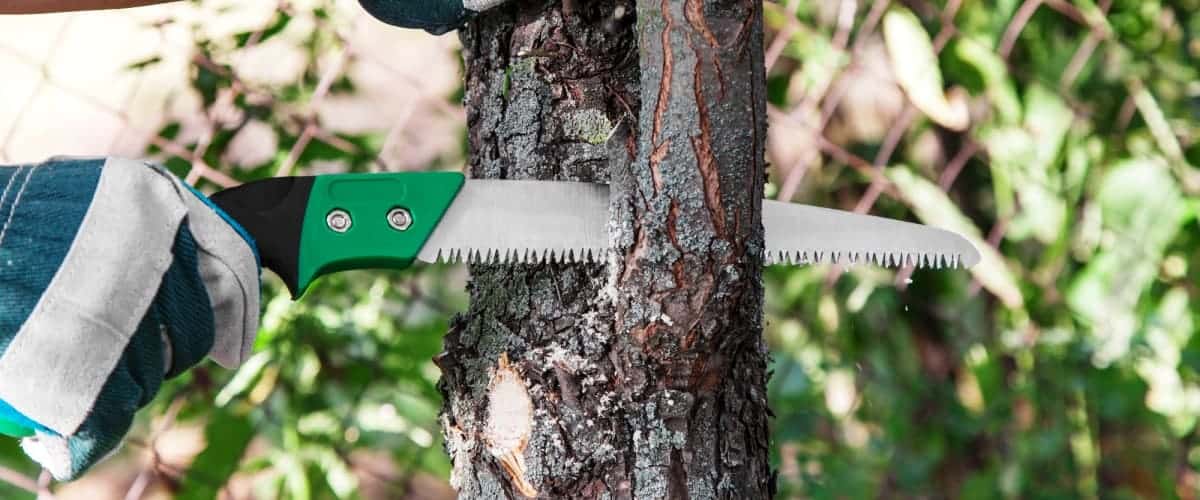
With these services and resources available, homeowners can take the necessary steps to ensure their trees stay healthy and resilient in the face of rising temperatures. Taking simple precautions like proper tree pruning can help them adapt to the weather shift and stay strong in extreme weather conditions.
With that said, it’s still important to keep an eye on the health of your trees and watch for signs of stress or damage. By staying informed and proactive, you can ensure they remain healthy and resilient, regardless of the climate.
To further explore how rising temperatures will impact tree health in Texas, let’s take a closer look at the potential effects.
As temperatures begin to rise, Texas trees will face various health challenges. Rising temperatures can cause increased evaporation from the soil, decreasing soil moisture. They can become stressed and vulnerable to pests and diseases without the proper water. A lack of adequate soil moisture can also cause them to become more susceptible to drought and heat-related stress, leading to a decrease in growth and even death.
This increasing heat can also cause them to move their growth cycles earlier in the year. Trees that typically flower in the late spring or early summer may be pushed to flower earlier due to rising temperatures, which can cause a decrease in pollination and lead to poor fruit production.
As temperatures in Texas continue to rise, it’s essential to think about how best to protect your trees against the effects of the heat. Are there any strategies or techniques homeowners in Texas can use to help regulate soil moisture during hot summers?
The answer is yes! With some knowledge and hard work, you can ensure your trees stay healthy and happy throughout the summer. Here are a few tips on how to keep your soil moisture regulated:
1) Add mulch around the base. Mulch will help keep the soil cool and damp, essential for health during the hot summer months.
2) Water the soil around your trees frequently. It’s essential to keep the soil moist and well-hydrated, so be sure to check it regularly and provide them with enough water.
By following these simple tips, you can help to regulate the soil moisture levels and keep them healthy and hydrated during the hot summer months.
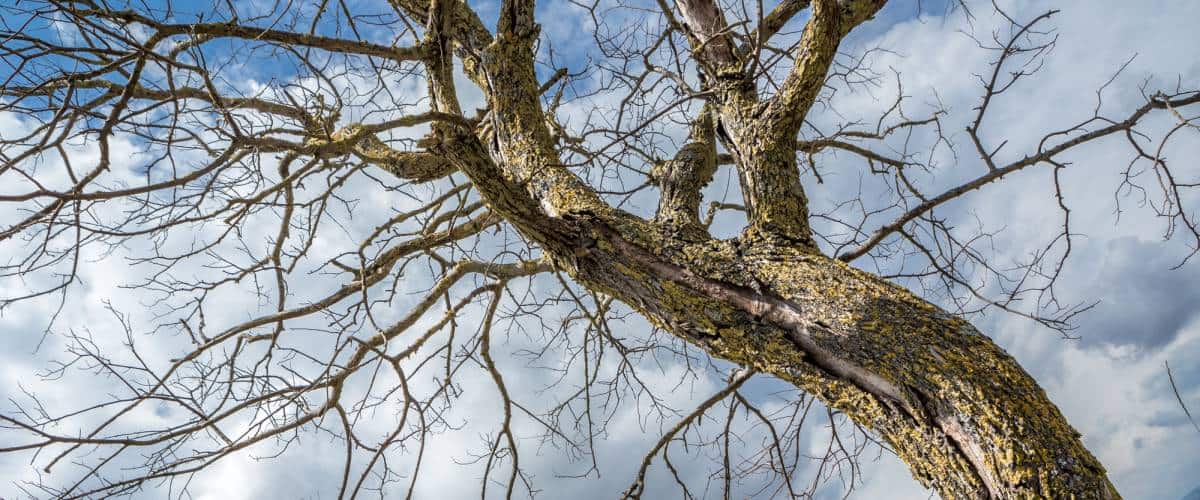
Extreme weather events are unavoidable because weather patterns shift and can devastate tree health. Here are just a few of the effects of extreme weather events:
• Increased temperatures can cause drought-like conditions, leading to water shortages, soil erosion, and stress.
• Heavy rains can cause flooding, leading to soil compaction, root rot, and even death.
• Strong winds can cause branches to snap, damaging and even falling trees.
These extreme weather events can cause irreparable damage and put people and homes at risk. That’s why it’s so important to be prepared for these events and to take the necessary steps to protect them.
Deforestation is one of the most critical factors contributing to global warming, and it’s increasingly devastatingly impacting local tree health in Texas. When cleared away, trees eliminate an essential component of natural climate regulation; they act as carbon sinks, absorbing tons of carbon dioxide from the atmosphere and releasing oxygen. Without this process of negative feedback, temperatures rise, and ecosystems are thrown out of balance.
Moreover, the destruction of forests can lead to increased soil erosion, making it more difficult for the roots to absorb essential nutrients. This can have a long-term effect on the health of local trees, making them more susceptible to climate-related stressors like drought and extreme temperatures.
Therefore, as we consider long-term strategies to maximize health in the face of ongoing changes to the global carbon cycle, it’s clear that forest productivity by preserving existing forests is of the utmost importance.
The effects of climate change are becoming more evident each day, and it is up to all of us to take action to protect our environment. Trees are crucial in climate change mitigation and provide many other benefits, such as shade and improved air quality.
For Texas homeowners, it is essential to understand the impact of climate change on trees and take steps to protect them. This includes planting native trees adapted to the local climate, providing adequate care and maintenance, and avoiding pesticides and herbicides.
By protecting trees, we can help mitigate climate change’s effects and ensure they remain healthy and vibrant. This will benefit the environment and the local community, providing a sense of beauty and pride.
If you liked this blog, check out our other tree care and maintenance articles on: