Viva Trees
Get a FREE professional tree service estimate from Viva Trees - one of the most trusted tree companies in the U.S.
OR CALL
Get a Free Estimate
Every project starts with a free tree service estimate. Enter your details to get started.

Welcome to our in-depth guide on the average cost of emergency tree services in Texas. I will include tree removal and storm damage clean-up for residential and commercial properties. As an arborist and business owner, I understand the importance of being prepared for unexpected tree-related emergencies and the cost of doing so.
This Viva Tip is intended to help homeowners and business owners understand the factors affecting the average price of emergency tree services and estimate what they can expect to pay.
Emergency tree services are more expensive. For example, tree removal in an emergency can typically cost two or three times more than regular tree removal pricing, ranging from $800 to $7,500.
Emergency tree services are generally more expensive than non-emergency services because they require immediate attention and involve more complex or dangerous work. There are several reasons why they may be more costly than non-emergency services:
In addition to these factors, some emergency tree removal companies also add an emergency fee to their service fee. It’s essential to remember that the cost of emergency tree services will vary depending on the specific circumstances and the tree service company you choose. A proper assessment of the situation is needed to give a firm quote.
Below, we will provide a few tips to save money on emergency tree services.
Tree removal is one of the most common emergency tree services, and it can be necessary for various reasons, including dead, diseased, or structurally unsound trees. The cost of tree removal will depend on several factors, including:
Emergency tree removal costs can vary depending on the size of the tree. A large oak tree will typically cost more to remove than a smaller dogwood tree.
Here is a guide to help you estimate your typical emergency tree removal costs:
Special equipment is needed for tree removal companies to climb and remove tall trees, and due to the increased risk, so is the cost.
A tree near a power line or in a hard-to-reach area will be more expensive to remove than a tree that is easily accessible.
The cost of removing a tree is influenced by its location, any obstacles present, and the ease of access. Factors such as fences, graded terrain, structures or nearby property, and power lines can all affect the ability to get machinery and equipment to the tree, influencing pricing.
Depending on the size and location, a crane might be needed to complete the job.
Depending on the dangers involved, a dead or diseased tree will typically cost more to remove than a healthy tree. (e.g., a large dead tree cannot be easily climbed without breaking)
As mentioned previously, on average, tree removal for a residential property can cost between $800 to $7,500, but in some cases, tree removal may cost as much as $5,000 or more. The cost for commercial properties can be higher depending on the size and number of the trees, location, and accessibility.
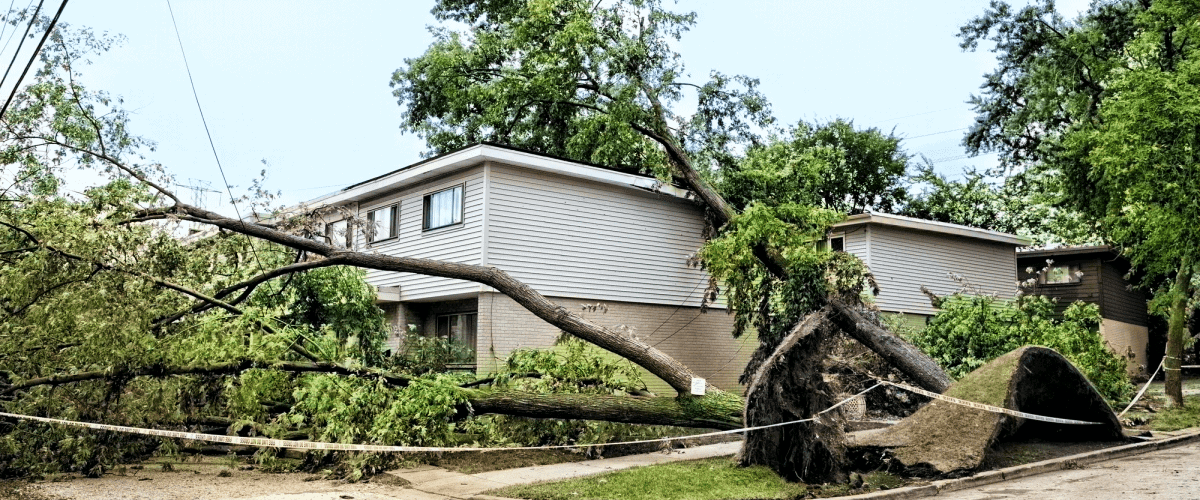
Severe storms can cause extensive damage to trees, and doing storm damage clean-up is another standard emergency tree service. The cost of storm damage clean-up will depend on several factors, including:
The extent of the damage: Clean-up will cost more if many trees have been affected and extensive damage has been done
The number of trees affected: the more trees affected, the higher the cost.
Accessibility of the affected area: If the affected area is hard to reach, the cost of storm damage clean-up will be higher.
Safety hazard: If the damaged area poses a safety hazard, the cost of storm damage clean-up will be higher.
On average, storm damage clean-up for a residential property can cost between $500 to $3,000. In contrast, commercial properties can cost even higher depending on the size and number of trees affected and the damage.
In addition to tree removal and storm damage clean-up, other services may be needed, such as:
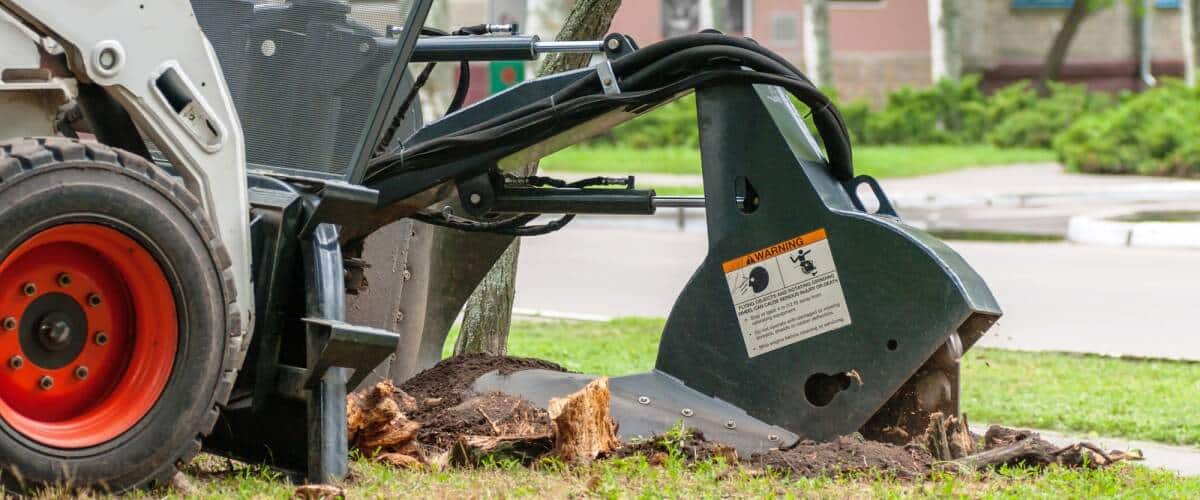
Stump removal: This service involves removing the remaining stump after the tree has been cut down. This service can cost anywhere from $75 to $1,000 or more, depending on the size of the stump.
Wood chipping: This service involves removing debris, chipping it into small pieces, and disposing of it. This service can cost anywhere from $50 to $200 or more, depending on the size of the debris.
Wood Removal: Disposing of tree logs impacts the cost of a tree removal job. Removing the wood from your property and taking it to landfills or dumping sites involve additional fees.
Tree planting: This service is required if you want a new tree planted in the same spot where the old tree was removed. This service can cost anywhere from $200 to $500 or more, depending on the type and size of the tree.
Permits: If you have a tree on a highly regulated property, you may be subject to higher costs. You should consult local tree professionals and arborists familiar with the area’s tree ordinances and permit process. For example, San Antonio requires a permit for any tree removal.
Home insurance policies vary, so you must check your policy. Many home insurance policies will cover emergency removal if the tree falls on your home or structures due to a covered peril. However, if the tree is dead or diseased, insurance may not cover it. An insurance company may consider that a maintenance issue, not an emergency.
It’s also important to note that most insurance policies have a limit on the amount they will cover for tree removal. You should check with your insurance company and find out the coverage limit. This limit can be affected by factors such as the size and type of the tree, its location, and the level of damage.
In most cases, the insurance company will require an assessment by a licensed and insured tree professional and a detailed estimate of the damage and repair costs. Therefore, it is best to have a reputable tree service company remove the tree as soon as possible and assess the damages so you can provide the insurance company with the necessary information.
It’s always a good idea to review your insurance policy and talk to your insurance agent so you know what is and is not covered under your specific policy in the event of an emergency tree removal.
There are several ways that a homeowner or business owner can save money on emergency tree removal services:
Following the tips in this guide, such as having a plan, keeping trees healthy, and only getting the essential additional services, can help reduce the overall costs of emergency tree services.
It’s essential to remember that while trying to save money, safety must always be the top priority. Hiring unlicensed or untrained tree services can be dangerous and could end up costing more in the long run. Always choose a reputable and insured tree service company for your emergency needs.
In conclusion, the cost of emergency tree services can vary widely depending on the size and type of tree, the location and accessibility of the tree, the condition of the tree, and the additional services needed. It is important to contact emergency services first in the event of an emergency, have a plan in place, keep trees healthy with regular maintenance and inspections, and remove dead or diseased trees before they become a hazard. If you need assistance or have any questions, please get in touch with us.
If you liked this blog, check out our other tree care and maintenance articles on: